Advancing electron microscopy through training and discovery
Electron Microscopy Facility Manager | Cornell Center for Materials Research
Breakthroughs in electon microscopy
With more than three decades of experience in electron microscopy, Dr. Malcolm Thomas has dedicated his career to advancing both imaging and education. As Facility Manager at Cornell’s Center for Materials Research, he supports a wide range of users—from first-time students to experienced researchers—helping them unlock insights at the nanoscale
About Dr. Thomas
21 years of ZEISS EM experience
Recipient of Cornell University's George Peter award for dedicated service
Breakthroughs by Dr. Thomas
Training the next generation
A new way to see.
High-powered imaging is even more powerful when employed with in-depth know-how. Dr. Kaoru Sato is an expert at experimenting withelectron microscopy techniques that achieve game-changing results.
Using SEM to examine high strength steel and surface modification, Dr. Sato discovered that the highest accelerating voltage doesn’t result in the best resolution. Contrary to conventional wisdom, using low kilovolt imaging, coupled with a shorter working distance from the specimen, enables a dramatically improved picture.
Learning how to optimize working distance and voltage based on the material is what Dr. Sato refers to as the “sweet spot.” His insight is helping scientists across a variety of disciplines fine tune their approach to microscopy.
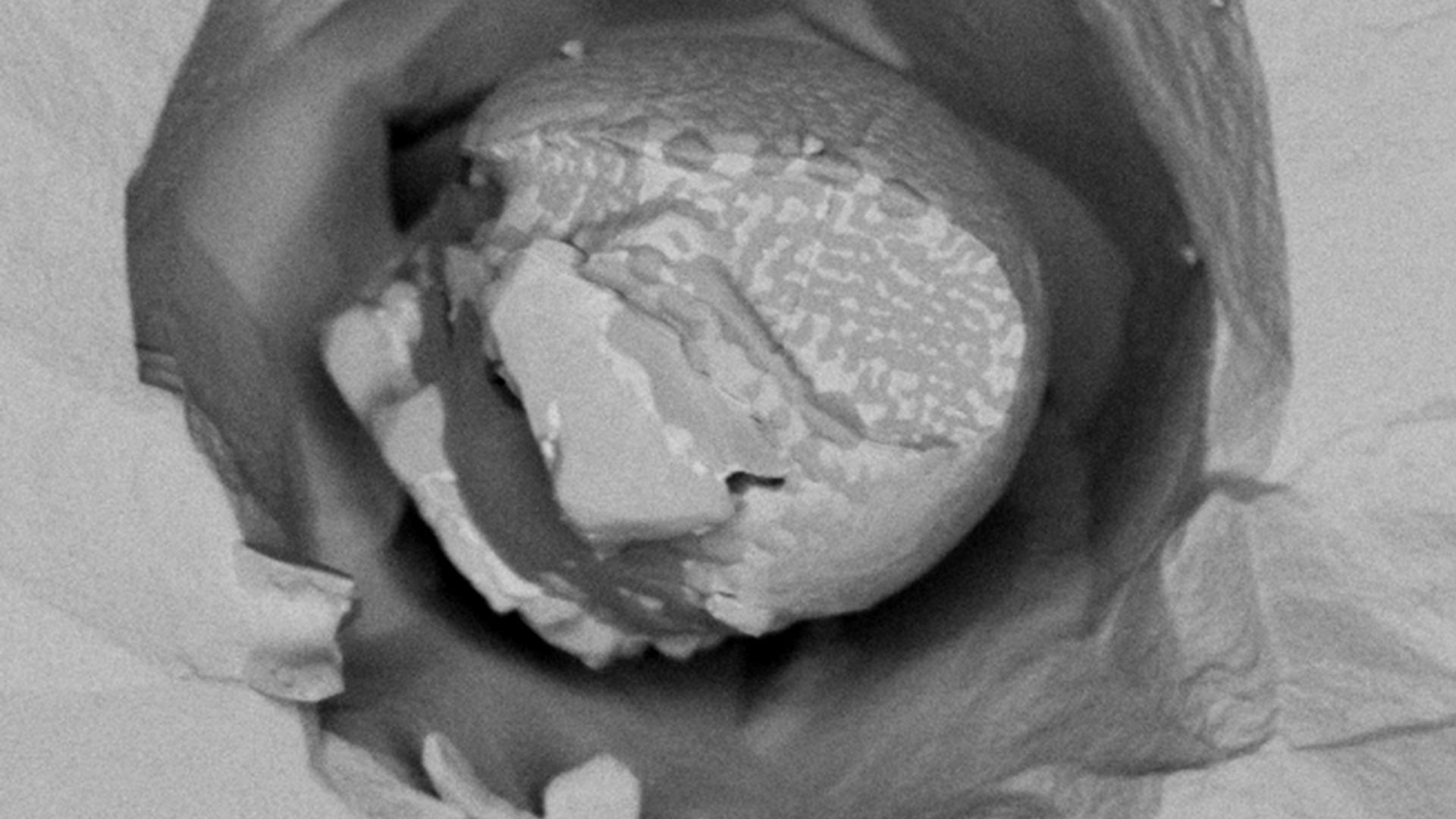
Backscattered electron image at 1kV gives detailed chemical inhomogeneity of non-metallic inclusion.
Focused on the Sweet Spot
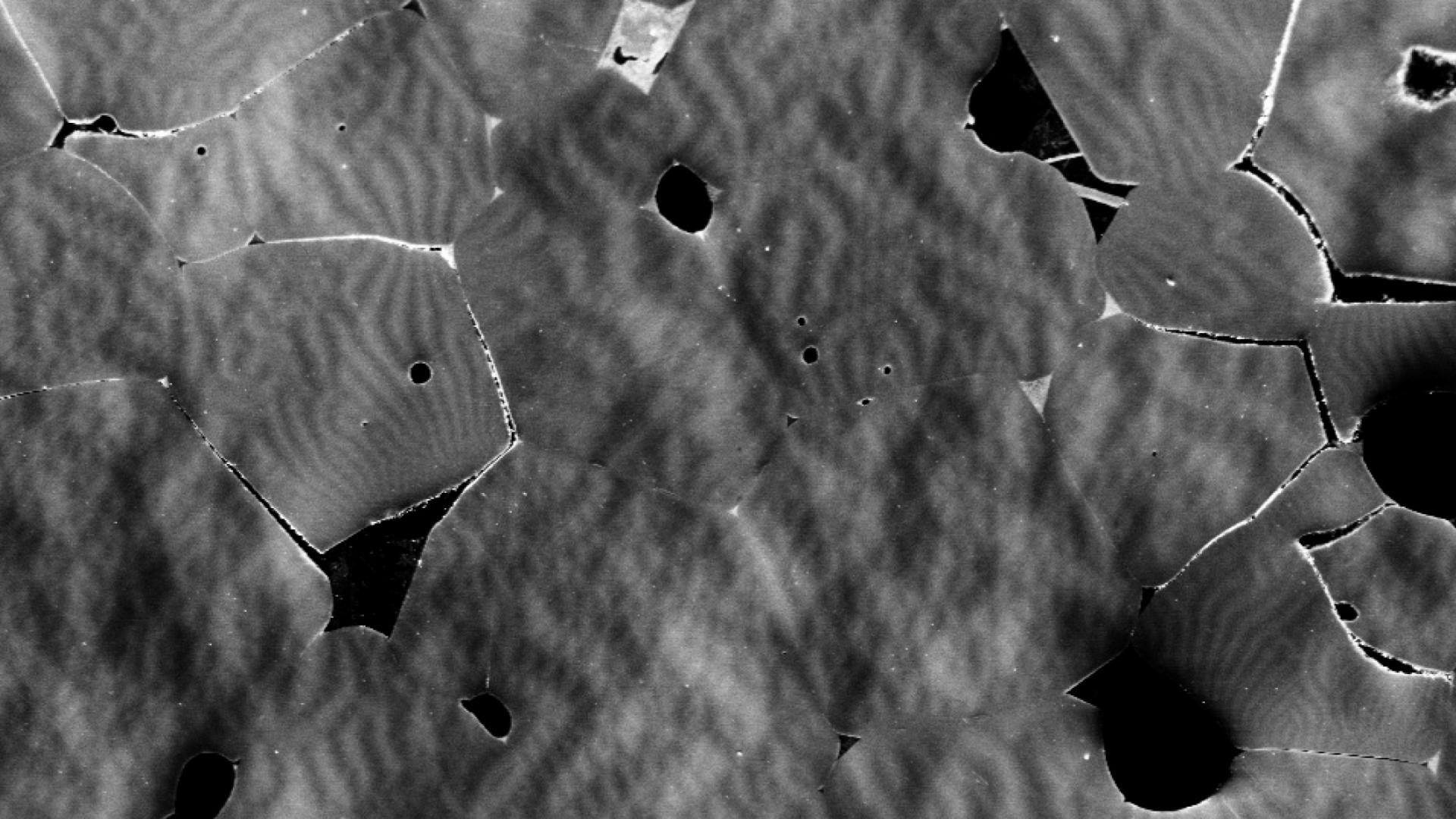
In-lens Secondary Electron detector gives magnetic
contrast when viewing at 1kV.
Working with the students and training them is the most enjoyable part for me. I enjoy helping someone who started and knows nothing – teaching them, encouraging them, working with them, getting to the point where they are doing really great work on the SEM. Seeing that progress, being able to help them obtain good research results which ultimately end up in publications is very enjoyable. The GeminiSEM has been the principal interest and I have a number of students who thank me very much for the help