

Precision Behind the Scenes
10 Ways Quality Assurance Shapes Modern ManufacturingManufacturing is more than assembly lines; it is defined by the quality assurance teams dedicated to catching defects before products reach customers. These professionals are key to delivering high-quality products, ensuring rigorous standards are met at every stage.
Across industries such as automotive, aerospace, medical, and electronics, experts work together to prevent issues at every stage of production. Their detailed inspection and problem-solving skills protect product performance and build customer trust.
Key Takeaways:
The Strategic Role of Quality Assurance Teams in Modern Manufacturing
Quality assurance teams shape production outcomes by setting standards that prevent defects, boost efficiency, and ensure regulatory compliance. These teams directly influence manufacturing costs, customer satisfaction, and competitive strength - making them strategic partners, not just inspectors.Quality as the Foundation of Product Reliability
Quality assurance in manufacturing establishes clear standards and procedures across all production stages to ensure products meet requirements. QA teams define guidelines from material sourcing through final inspection to prevent defects before products reach customers.
Consistent quality checks improve product reliability and catch issues early, reducing scrap and waste. This proactive approach protects your brand and strengthens customer trust.
Key reliability factors QA teams monitor:
- Material consistency and supplier quality
- Equipment calibration and maintenance schedules
- Process adherence at each production stage
- Environmental conditions affecting product quality
- Final inspection protocols before shipment
Over 80% of manufacturers list quality control and assurance among their top three strategic priorities. Investing in robust QA processes reduces defects and improves reliability.
Beyond Defect Detection: QA as a Driver of Production Efficiency
Your QA team identifies bottlenecks and inefficiencies that slow production or raise costs. By analyzing production data, quality professionals identify patterns indicating needed process improvements. When QA staff understand the products and how each component affects the workflow, they can resolve problems more quickly.





What Sets Industrial Quality Assurance Apart from Traditional Manufacturing QA
Industrial QA encompasses broader responsibilities than basic manufacturing quality checks. Traditional manufacturing QA focuses primarily on product inspections and testing. Industrial QA integrates quality management across your entire operation, from vendor selection through distribution. This comprehensive approach requires your QA professionals to work closely with purchasing, production, logistics, and compliance departments.
10 Ways Quality Assurance Shapes Modern Manufacturing

1. Quality Assurance Influences Product Design Before Production Begins
Quality assurance teams often begin their work long before the first part is produced. By participating in early design and production planning discussions, they help identify potential quality risks embedded in drawings, materials, and manufacturing methods.
During this phase, QA professionals review specifications, tolerances, and material choices to assess how design decisions will affect consistency and manufacturability. Their practical experience allows them to anticipate real-world production challenges that may not be obvious on paper.
By addressing these issues early, manufacturers reduce scrap, avoid late-stage design changes, and set production teams up for smoother execution.


2. Quality Assurance Focuses on Prevention, Not Just Detection
Modern quality assurance is centered on preventing problems rather than reacting to them. QA teams continuously analyze production data to detect subtle trends that indicate emerging risks.
By monitoring process metrics and measurement results, quality professionals can identify deviations before defects appear. Inspection plans are designed to focus on high-risk areas where variation is most likely to occur.
Using statistical tools and predictive analysis, QA teams help maintenance and production teams intervene early, reducing unplanned downtime and avoiding costly disruptions.


3. Smart QA Strategies Reduce Manufacturing Costs
Strong quality assurance processes contribute directly to cost control. Detecting defects early limits losses to materials and labor already invested, while defects discovered later can waste entire production runs.
QA teams also work closely with suppliers to improve incoming material quality. Clear testing requirements and consistent standards reduce the need for excessive inspection and minimize production interruptions.
By focusing inspection efforts where they matter most, quality assurance helps manufacturers reduce scrap, rework, and operational waste without compromising product standards.

4. QA Drives Continuous, Long-Term Improvement
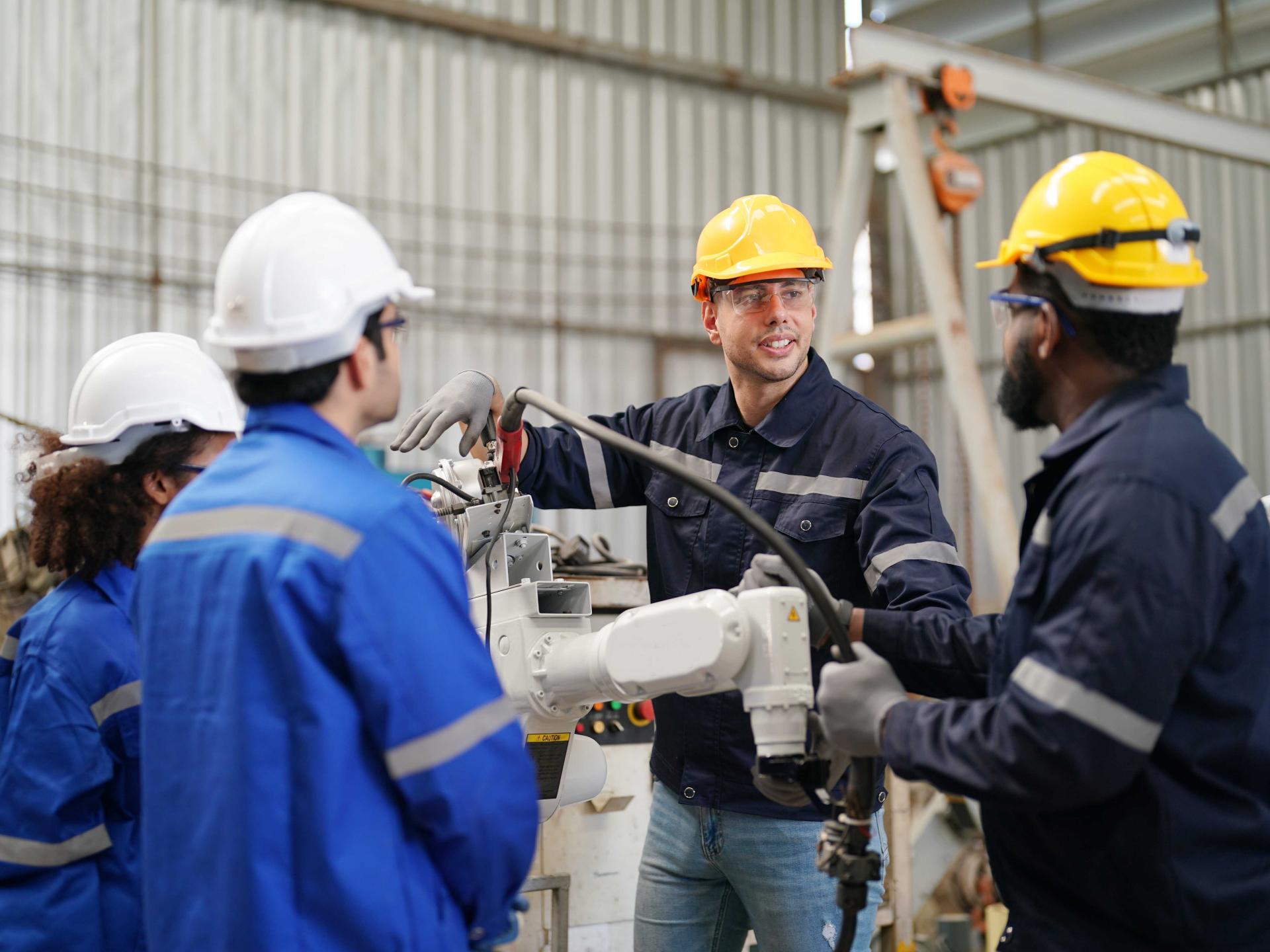
Beyond daily inspections, quality assurance teams are responsible for identifying patterns that point to deeper process issues. Through root cause analysis, they uncover whether defects stem from equipment settings, operator training, or process variation.
Documenting best practices and standardizing procedures helps reduce inconsistency across shifts and facilities. Over time, these improvements raise overall performance and reliability.
QA teams also play a central role in maintaining certifications and staying current with evolving regulations, helping manufacturers expand into new markets while maintaining customer trust


5. Modern QA Runs on Digital Collaboration Platforms
As manufacturing environments become more connected, quality assurance relies heavily on digital collaboration tools. These platforms allow inspectors, engineers, and managers to share information in real time.
Digitized quality systems centralize records that once lived in spreadsheets or paper files. Teams can instantly access inspection results, annotated images, and historical data from any location.
Faster communication shortens investigation cycles and enables quicker resolution of quality issues, keeping production moving while maintaining standards.


6. Real-Time Analytics Change How Quality Is Managed
Advanced analytics tools enable quality teams to process large volumes of production data and visualize performance through real-time dashboards. Variations that once took hours or days to identify are now visible almost immediately.
Machine learning algorithms analyze complex data sets to predict when defects are likely to occur, detecting relationships that manual analysis may miss. These insights allow teams to adjust processes or pause production before defects accumulate.
Instant access to statistical process control data also improves reporting efficiency, giving quality engineers the ability to generate capability reports without manual compilation.

7. Automation Is Redefining Inspection and Quality Control
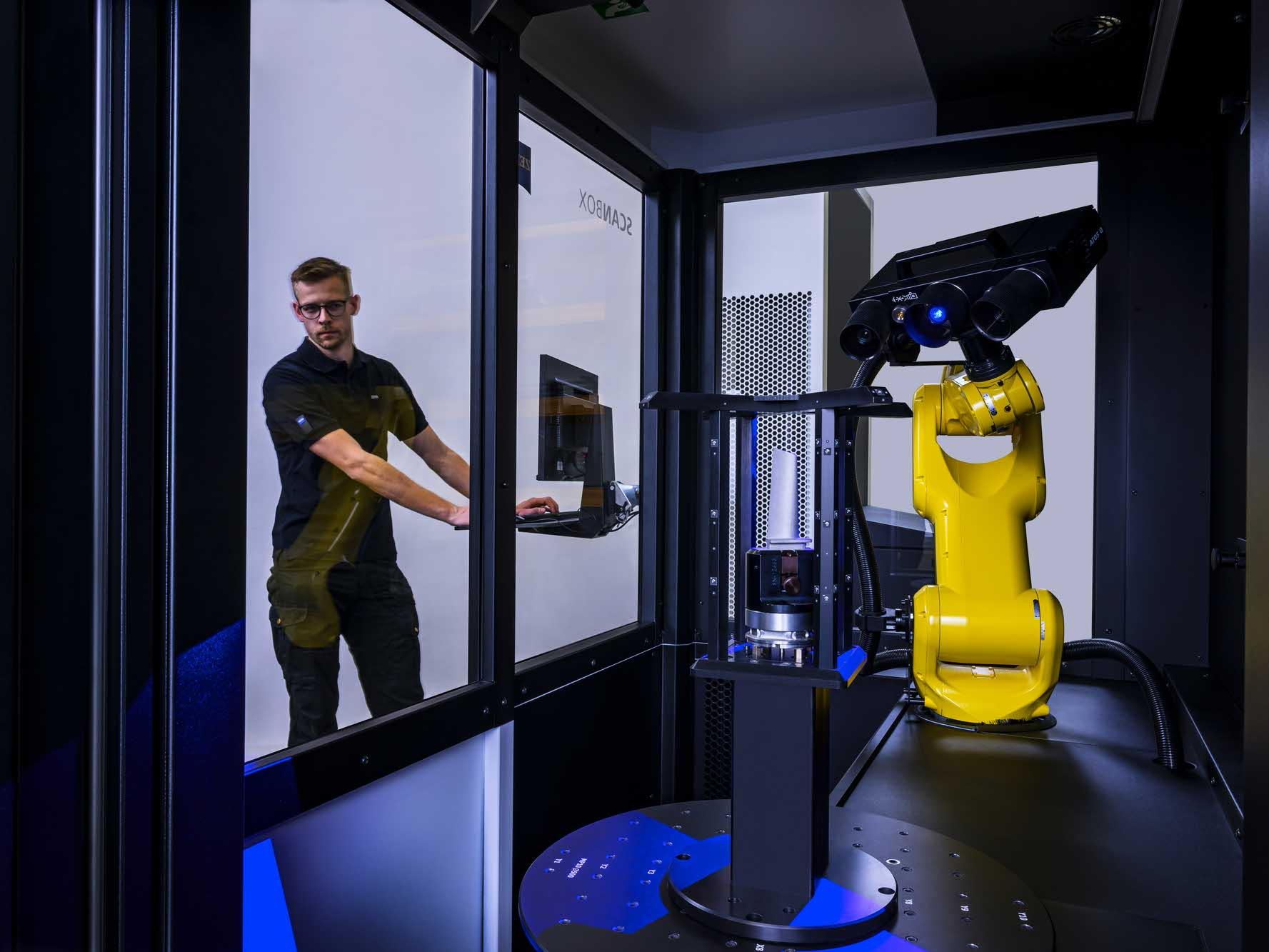
Automation has transformed inspection processes across manufacturing environments. Machine vision systems inspect parts faster and more consistently than manual methods, identifying dimensional issues, surface defects, or missing components.
These systems improve over time as they process more data, increasing accuracy and repeatability. When integrated with production equipment, automated inspection can trigger alerts or remove defective parts automatically.
Augmented reality tools further support manual inspections by guiding operators through standardized procedures and capturing visual documentation in real time.


8. QA Plays a Key Role in Reducing Rework
Preventing rework is one of the most tangible ways quality assurance impacts manufacturing efficiency. By monitoring critical process points, QA teams can stop production when measurements fall outside acceptable limits.
Analyzing defect trends helps identify root causes that would otherwise lead to repeated failures. Addressing these issues reduces the time and labor spent correcting errors after production.
Effective testing protocols ensure products meet specifications before shipping, protecting brand reputation and reducing customer returns.


9. QA Enables Compliance and Market Access
Quality assurance teams implement and sustain the systems required for certifications such as ISO 9001. These standards are often essential for entering new markets and maintaining competitive positioning.
Key activities include calibrating measurement equipment, validating processes, training operators, and conducting internal audits ahead of external inspections. QA teams also update procedures as regulations evolve.
Staying ahead of compliance requirements reduces the risk of penalties and supports stable, long-term growth.


10. QA Teams Must Operate Across Locations and Prepare for the Future
As manufacturing becomes more distributed, quality assurance teams increasingly work across multiple locations. Remote collaboration tools and digital inspection systems help maintain consistent standards regardless of geography.
At the same time, the role of QA professionals is expanding. Skills in data analysis, automation, and system monitoring are becoming as important as traditional hands-on inspection.
Preparing teams for this shift through training and upskilling ensures quality assurance remains proactive and effective in smart manufacturing environments.
Why Quality Assurance Matters Across Manufacturing
Quality assurance teams are more than inspectors; they are strategic partners who shape modern manufacturing from design through delivery. From preventing defects and reducing rework to leveraging digital tools and analytics, QA professionals influence product reliability, operational efficiency, and market readiness.
By proactively identifying risks, driving continuous improvement, and maintaining compliance across facilities, they safeguard both quality and reputation. Their contributions extend beyond the shop floor, supporting cross-functional teams, enabling remote collaboration, and preparing organizations for the future of smart manufacturing.
Investing in QA teams through recognition, career development, and training in emerging technologies ensures that quality is embedded in every stage of production. With these teams in place, manufacturers can confidently deliver high-performance products, meet customer expectations, and stay competitive in an increasingly complex market.
Frequently Asked Questions
-
Quality assurance teams build and maintain the processes that keep products consistent. They create standard operating procedures, train employees in quality requirements, and audit production systems to catch issues before defects arise.
Rather than focusing solely on finished-product inspections, QA emphasizes defect prevention through planning and standardized processes. Team members define testing protocols, select appropriate tools, and establish quality benchmarks for each production run.
They also document formulas, manage equipment maintenance schedules, and track key performance indicators. By working with other departments, QA teams identify opportunities for improvement and implement solutions that reduce waste.
-
Quality assurance practices directly reduce defects in your facility. Strong QA processes lead to fewer scrap parts and less downtime caused by quality issues.
By preventing problems instead of fixing them later, QA generates measurable cost savings. Your facility spends less on materials, labor, and storage when waste is reduced.
Customer satisfaction also improves, as consistent product quality means fewer defective items and more reliable delivery timelines.
-
Quality assurance technicians in manufacturing typically earn between $35,000 and $55,000 annually, depending on experience and location. Entry-level positions can start around $30,000, while experienced technicians can earn up to $60,000 per year.
Quality assurance managers earn higher salaries, ranging from $65,000 to $110,000 annually. Your specific salary depends on factors like industry sector, facility size, and geographic region.
Senior quality assurance directors and quality engineers command salaries between $90,000 and $140,000 in manufacturing settings. Specialized sectors like automotive or medical device manufacturing often pay above these ranges due to stricter quality requirements.
-
- Statistical process control (SPC): Uses data collection and analysis to monitor production consistency and detect variation before defects occur. Teams track key measurements to ensure they stay within acceptable limits.
- First article inspection (FAI): Confirms that the initial production run meets all design specifications, allowing setup or design issues to be corrected early.
- Failure mode and effects analysis (FMEA): Identifies potential failure points by assessing severity, likelihood, and detection difficulty, helping prioritize preventive actions.
- Process capability studies: Evaluate whether your processes can consistently produce parts within specification, using statistical methods to assess machine performance and stability.
-
Quality control focuses on testing and inspecting products to ensure they meet your standards. It is product-based and reactive, catching defects after they occur.
Quality assurance is process-based and proactive. QA designs and maintains systems that prevent defects from occurring in the first place.
Together, quality control and quality assurance form a complete quality management system. Your facility needs both reactive QC checks and proactive QA planning to maintain high performance.
-
Preventive quality assurance reduces production costs by eliminating defects before manufacturing starts. By improving processes, your facility spends less on scrap, rework, and customer returns.
Continuous monitoring and predictive maintenance help prevent equipment failures that create defective parts, avoiding costly downtime and ensuring consistent quality.
Companies that invest in strong QA programs gain better customer retention and stronger reputations because reliable products build trust.
Quality assurance methods such as Six Sigma, Lean Manufacturing, and Total Quality Management provide different improvement frameworks, and the best choice depends on your facility’s specific challenges and goals.