The Hidden Heroes of Manufacturing
12 Things You Didn’t Know About Quality Assurance TeamsInside the Work of Quality Assurance Teams
Walk into most manufacturing facilities, and you’ll hear the familiar soundtrack of production: machines cycling through programs, forklifts in motion, conversations over workstations. What you don’t always notice is the quieter, steadier presence, shaping the quality of everything that leaves the building: the quality assurance team.
Quality assurance professionals do far more than sign off on finished parts. They influence design, build stability into processes, prevent subtle issues from turning into production stoppages, and ensure every shipment reflects the standards your company is known for. The work is often invisible, but its impact is everywhere. It takes skill, judgment, and the kind of confidence that grows from working with tools and data you can trust.
This article is for quality professionals everywhere, and for the machinists, programmers, engineers, and operators who rarely see the why behind the QA results that come back to their stations. Peel back the surface, and you’ll find a group of people who blend technical mastery with human judgment, shaping modern manufacturing more than most realize.


1. They are problem-solvers before they are inspectors
Many QA pros start as machinists, technicians, or engineers. When they step into quality roles, they bring that practical mindset. They are not just looking for what is wrong; they are also considering why it happened and how to prevent it from happening again.
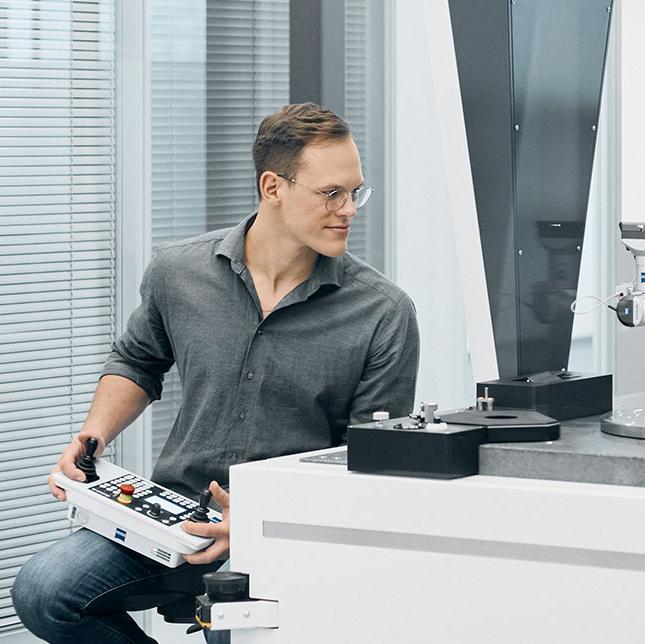
They see the entire workflow, from the first CAD model to the last production run. Whether they are using a coordinate measuring machine (CMM) to validate tight tolerances or dialing in a measurement strategy with advanced metrology software, they are experts at applying data-driven insights to prevent problems before they reach a customer.
2. They translate measurement data into stories the rest of the plant can understand
Not everyone lives in microns. Quality teams often act as interpreters, translating complex dimensional datasets into formats that make sense to operators, programmers, and supervisors.
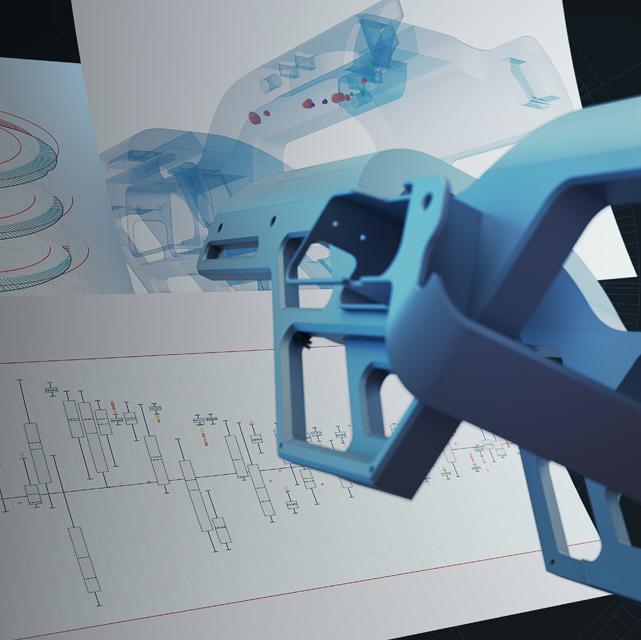
Modern reporting options, such as ZEISS PiWeb, help visualize trends and deviations. This intuitive data management software lets you customize reports, helping quality teams communicate data at the right level of complexity or simplicity to make time-sensitive decisions on the manufacturing floor.


3. Their equipment is cutting-edge, but their craft is timeless
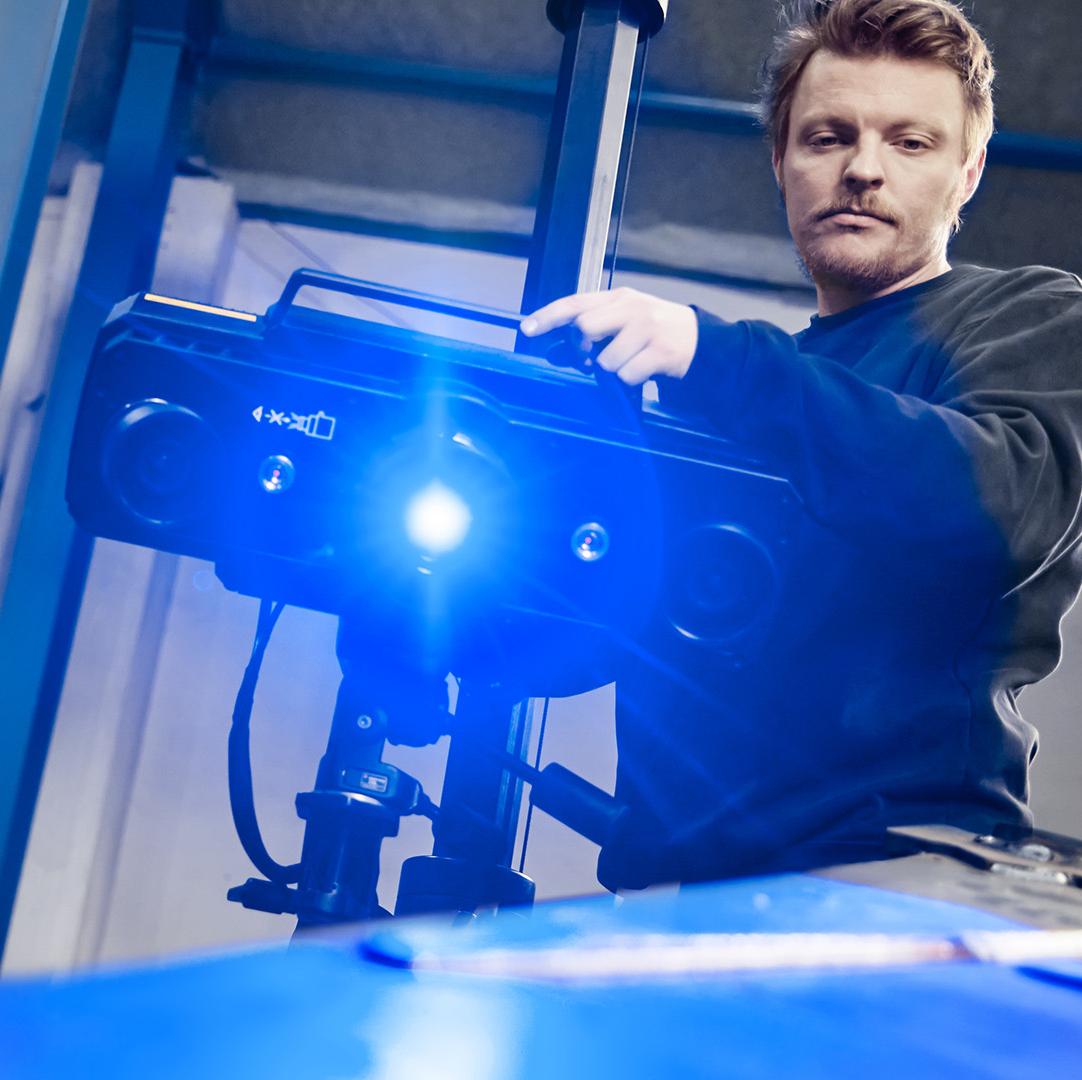
The modern metrology toolbox includes more than calipers—quality pros use advanced metrology technologies such as optical 3D scanners, CT scanners, multisensor CMMs, and more.
Even with all that technology, quality still depends on knowing how to act on what the data shows. Great quality professionals have mastered the art of translating precise data into actionable next steps, and their metrology technologies help them deliver that message with confidence.
4. They guard the why behind every tolerance
A tolerance is not just a number. Behind every ±0.005 mm lies a purpose: safety, function, alignment, durability. Quality teams hold onto that context. When they question a drawing or request rework, it’s in partnership to protect the engineering intent that a customer depends on.


5. They balance speed with certainty
Production wants flow. Engineering wants validation. Customers want consistency. Having the right metrology technologies in place can make the difference between meeting these goals and creating a bottleneck while trying to do so.
With consistent, dependable metrology technologies, quality professionals gain clarity and confidence in their results, enabling them to move decisions forward rather than slow production. That steady confidence helps keep the operation stable. Simply put, when you can trust your tech, you can trust yourself.


6. They are among the first to adopt new technology
Many innovations, such as automation and digital twin technologies, first enter the plant through the quality department.
CT technology, for example, now allows teams to inspect internal geometries without cutting parts open. With data flowing directly into reporting and quality data management software such as ZEISS PiWeb, long-term trends become easier to spot. As tech evolves, quality teams are the ones who know how to use the data they deliver with confidence.
7. They train the entire organization, often without calling it training
A QA tech showing a new operator how to load a part correctly? Training.
Explaining why a small surface deviation matters? Training again.
Over time, these everyday interactions build a quality-centric culture driven by continuous improvement.
8. They know the difference between data and truth
A measurement result is only as good as the tool used to collect it. QA professionals know when to question an outlier and when to trust the tool.
That’s why the most successful manufacturers invest in the right precision quality technologies. They understand the importance of quality you can trust and the value of having the confidence to stand behind that.


9. They are natural detectives
When something feels off, QA investigates. Maybe it is a toolpath change, a worn insert, a misaligned fixture, a temperature shift, or a supplier batch that is behaving differently.
They follow the clues until the story makes sense. Supported by actionable data, quality professionals are the backbone of stable production.
10. They protect reputations
Customers may never meet the inspector who validated their parts, but that person’s work shapes how the company is perceived: reliable, inconsistent, or world-class.
Every measurement and report is a quiet signature that says, we stand behind this.
11. Their impact often shows up years later
A strong quality assurance culture does not just reduce scrap and improve throughput. It shapes how a plant runs over the long haul.
When teams work with tech they can rely on, they build a more stable baseline for everything that follows. Audits run more smoothly. Equipment keeps its accuracy longer. New programs start with fewer unknowns.
Quality is a long game. Confidence builds over time, and QA teams carry that steady mindset into every project. It’s not flashy, but it’s why future work feels more predictable than uncertain.
12. They are the calm in the storm
Rush orders, late changes, machine downtime, chaos happens. QA remains steady. Their work is deliberate, careful, and consistent, even when the rest of the plant feels stretched thin.
Reliable technologies— whether it is a CMM, optical 3D scanner, CT system, or ZEISS PiWeb software— help keep the quality department grounded and confident in the decisions they make.
A Final Word
If you work in quality assurance, you already know how much heart goes into your day. If you work alongside these teams, you have probably felt the ripple effects of their work more times than you realize.
Manufacturing keeps evolving—tighter tolerances, shorter timelines, more automation, higher expectations. But the human care behind quality has not changed.
QA teams bring clarity when things get busy and steadiness when the pressure is high. Their work gives everyone else a little more confidence in what is moving through the plant. They remain the hidden heroes of manufacturing, and it is time more people recognized it.