Advanced Microscopy Techniques
New Dimensions in Neuroscience
Investigate the Brain in Unparalleled Resolution

Core Theme of the Page
Text that elaborates on the main headline aboveShort marketing text intended to entice the page's visitor to read further or click on the button(s) below.
ZEISS Lab Essentials
ZEISS Lab Essentials





Scroll animation items

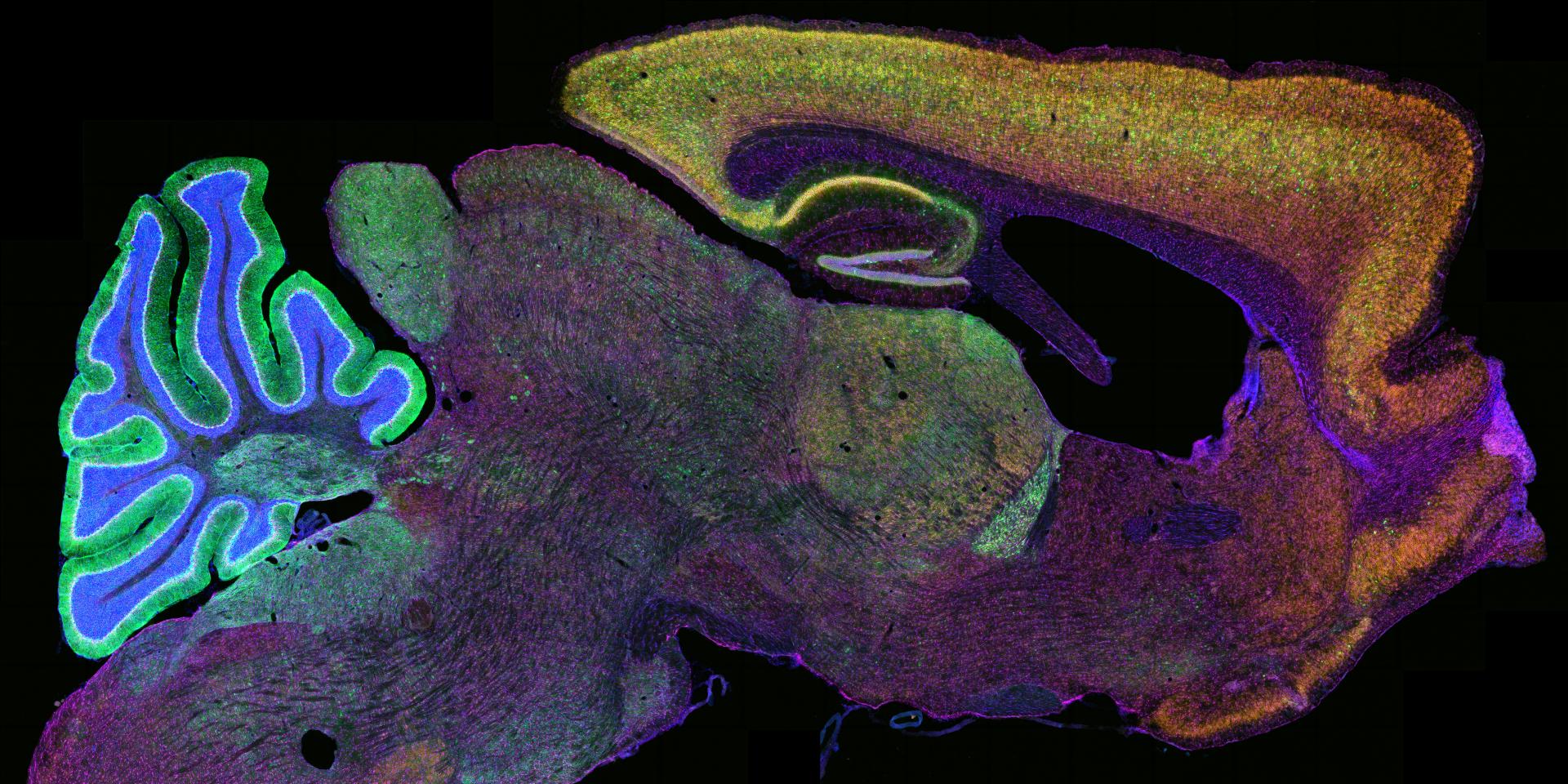
Studying Synaptic Function
Overcome the diffraction limit by combining super-resolution imaging and advanced processing techniques to visualize synaptic components at the nanoscale.
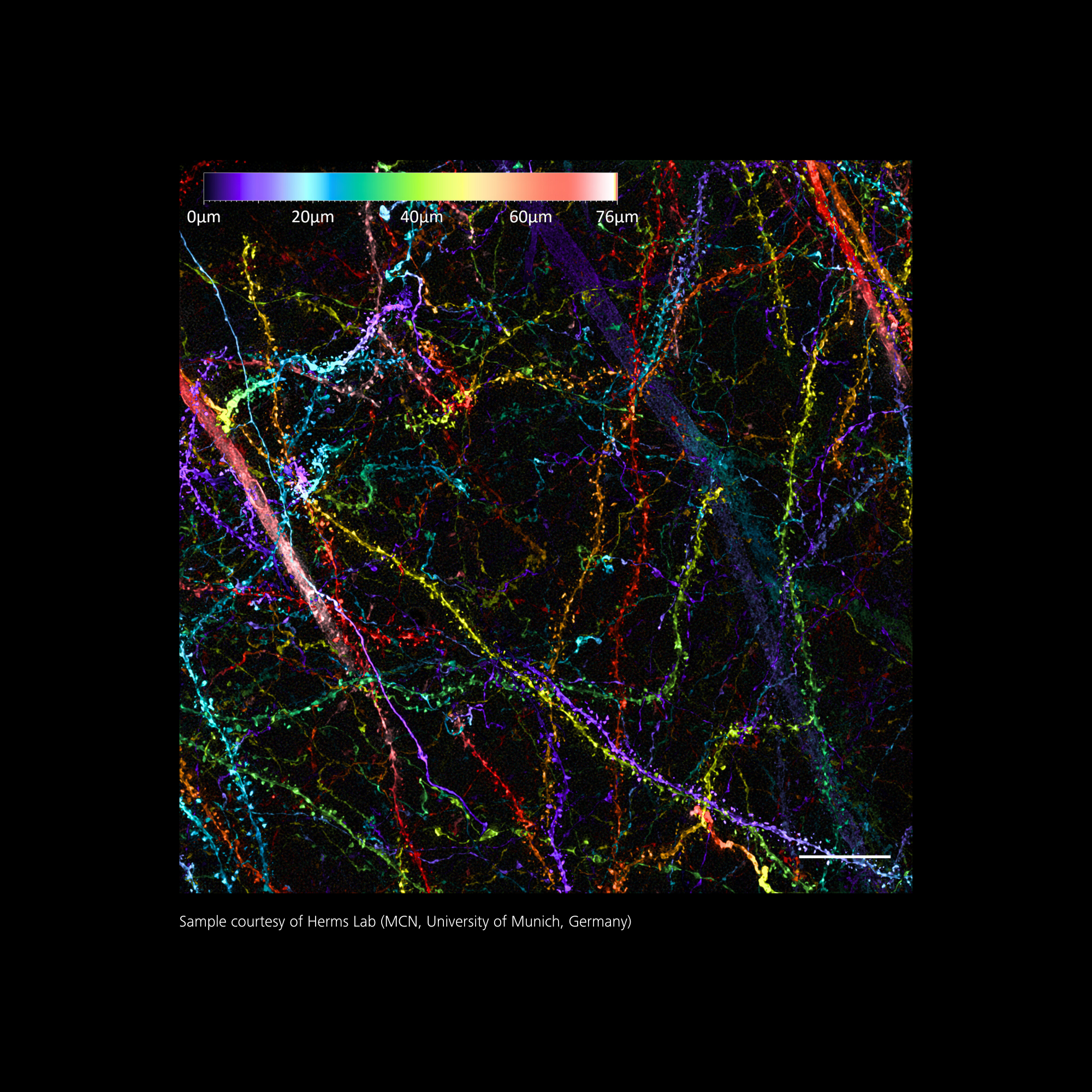

Cellular Dynamics of Neurodegenerative Disease
Visualize in real-time cellular processes underlying disease progression and identify the critical changes in behavior and morphology to gain a deeper understanding of neurodegeneration.


Studying the Role of Glial Cells
Enhanced optical sectioning capabilities can minimize our-of-focus light, allowing for clearer visualization of glial cell processes and their interactions with neurons and vasculature.
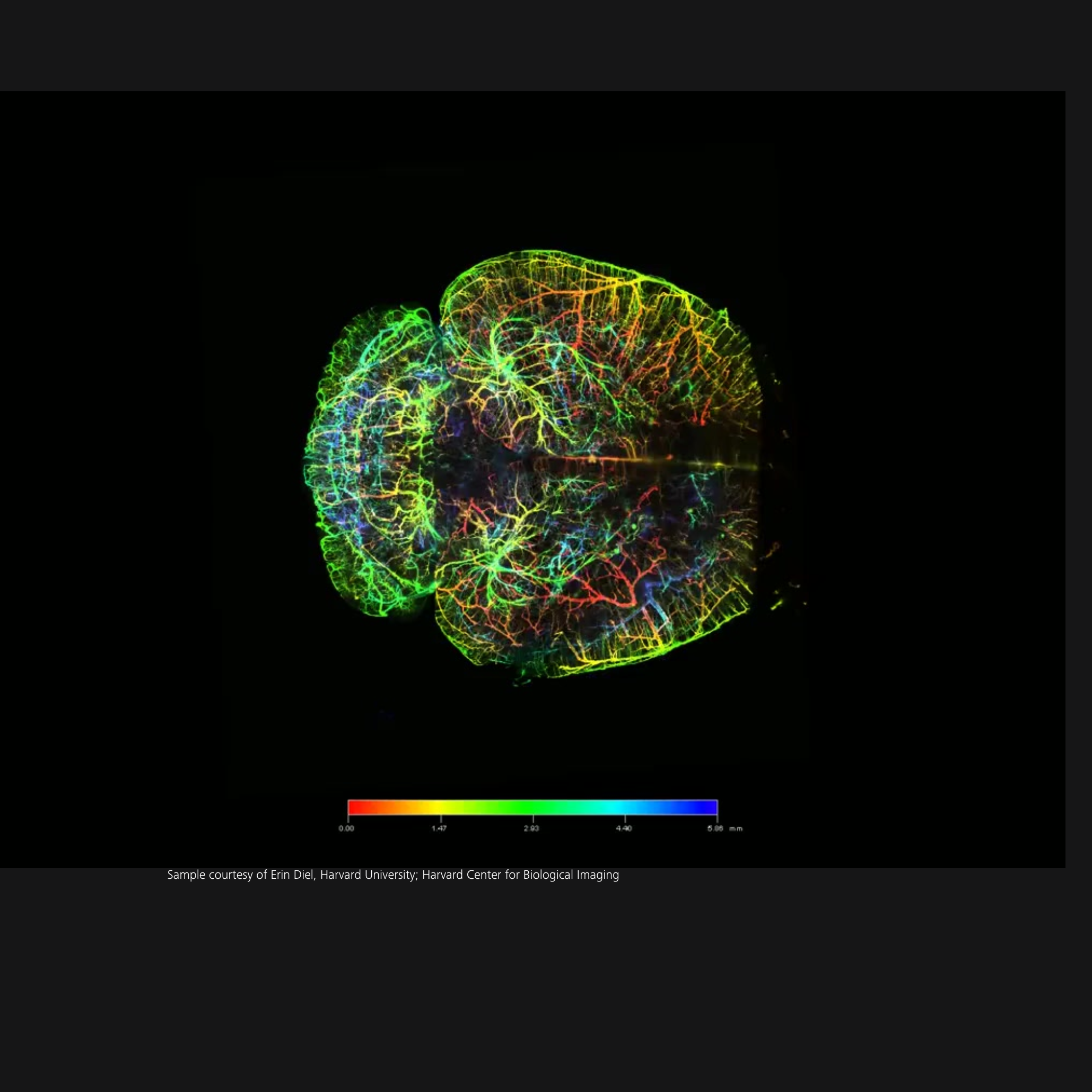

Understanding Neural Circuitry
Light sheet imaging captures data from multiple angles, allowing for thee-dimensional imaging of large samples and whole rodent brains so that researchers can map entire neural circuits and brain vasculature.
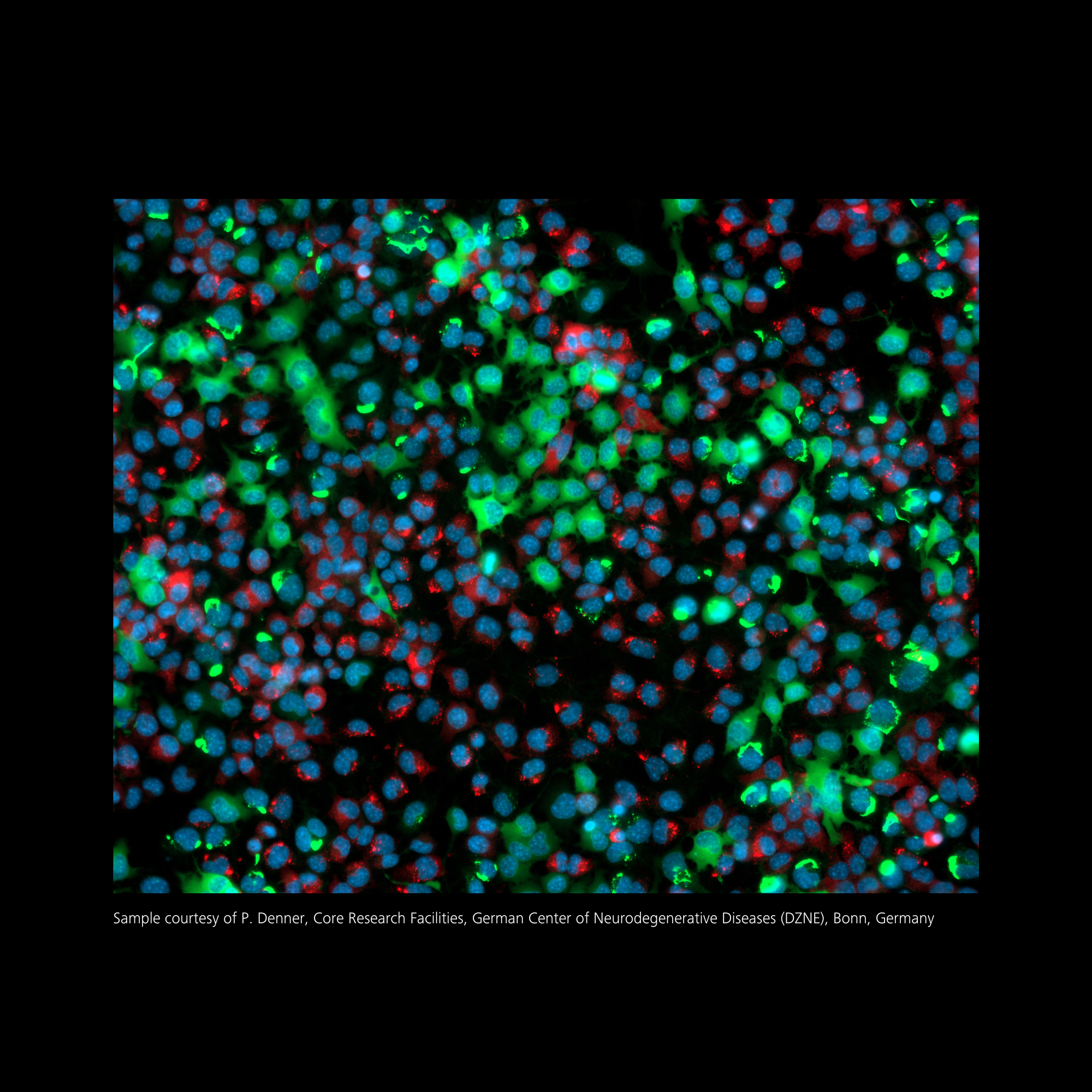

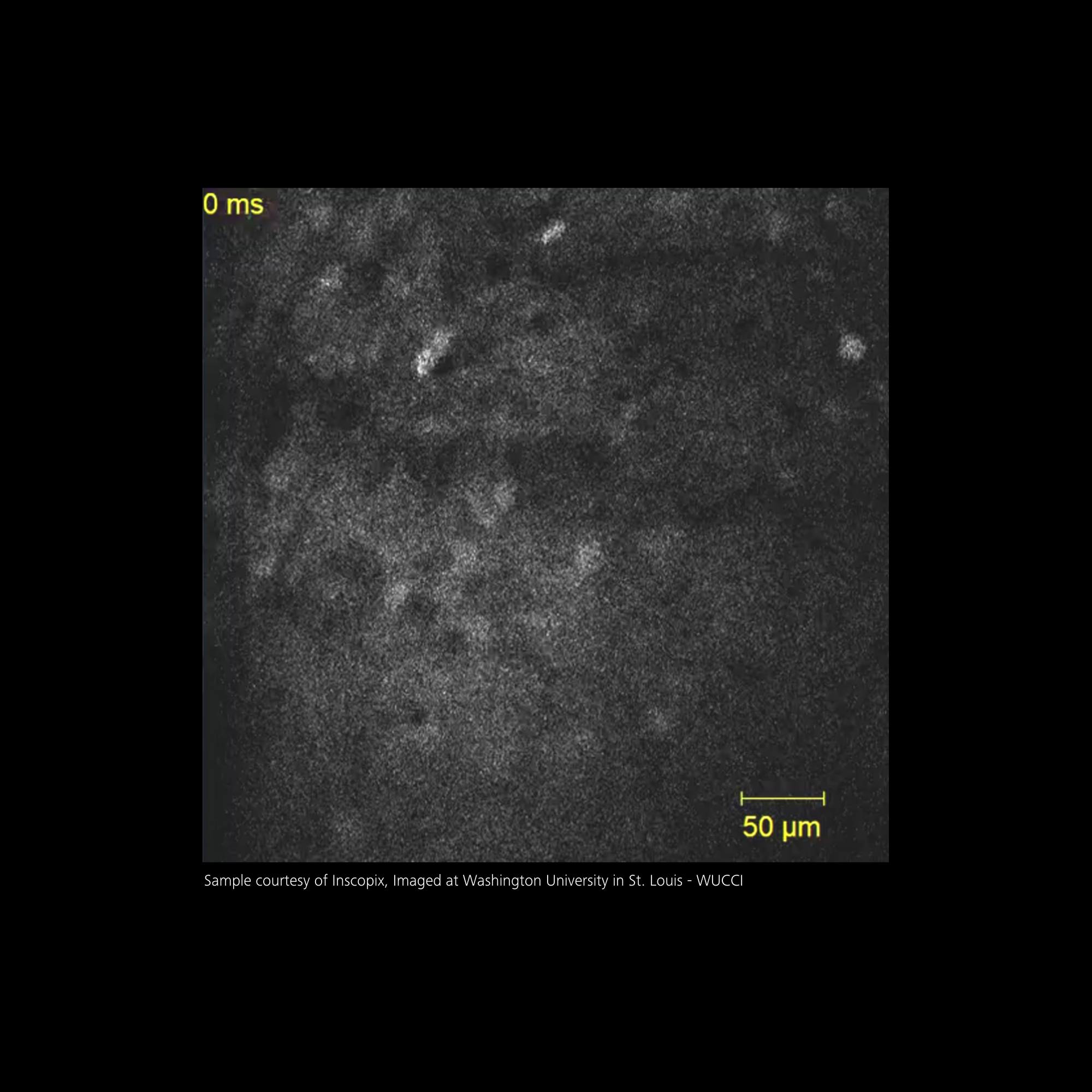
Visualize Deep Brain Activity
Image deep in the living brain, obtaining high-resolution images at speed allowing researchers to observe complex dynamics in real-time, mapping circuits to external stimuli.
Scroll animation items
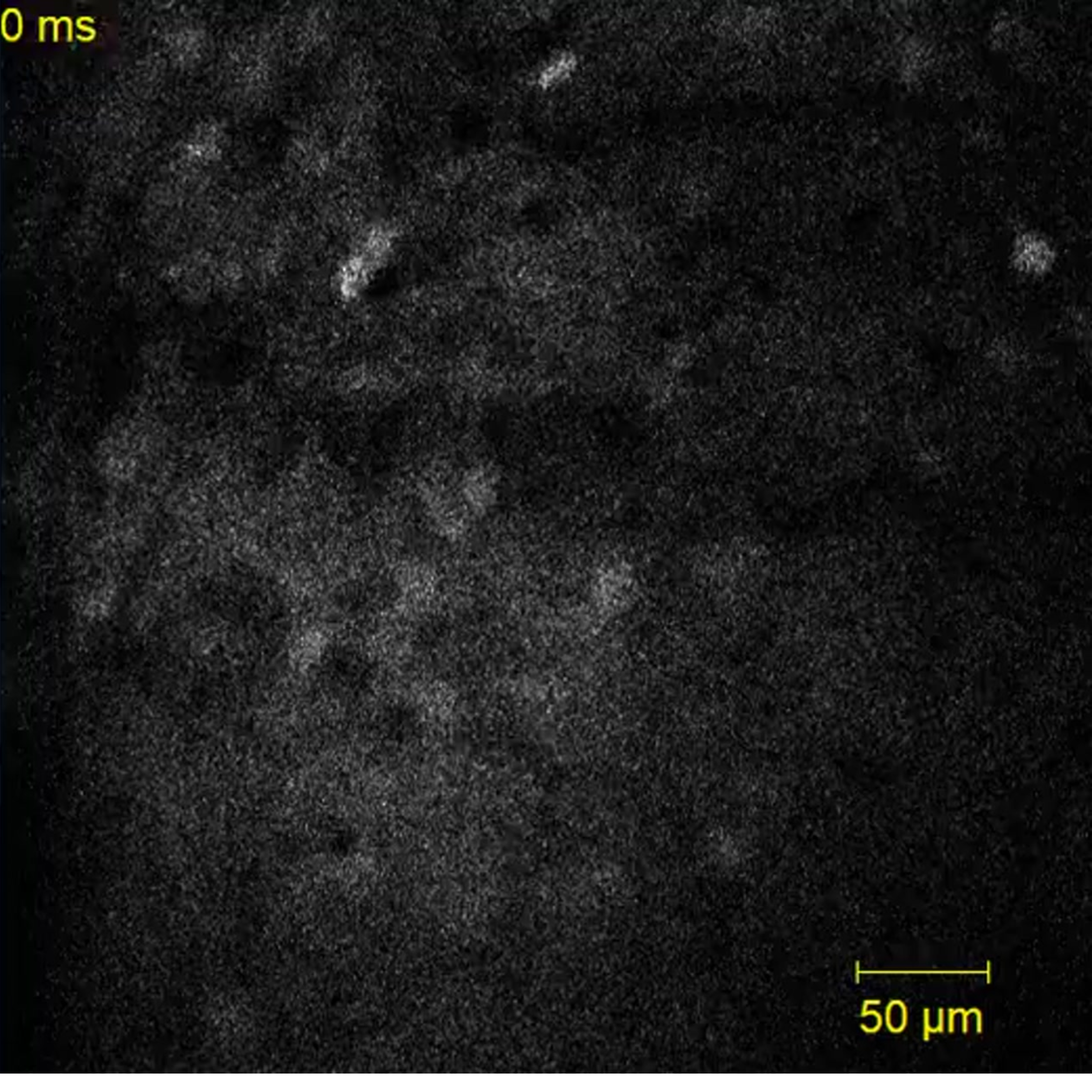

Are you leveraging the latest innovations?
Discover the techniques that are advancing neuroscience
Visualize Deep Brain Activity
Image deep in the living brain, obtaining high-resolution images at speed allowing researchers to observe complex dynamics in real-time, mapping circuits to external stimuli.
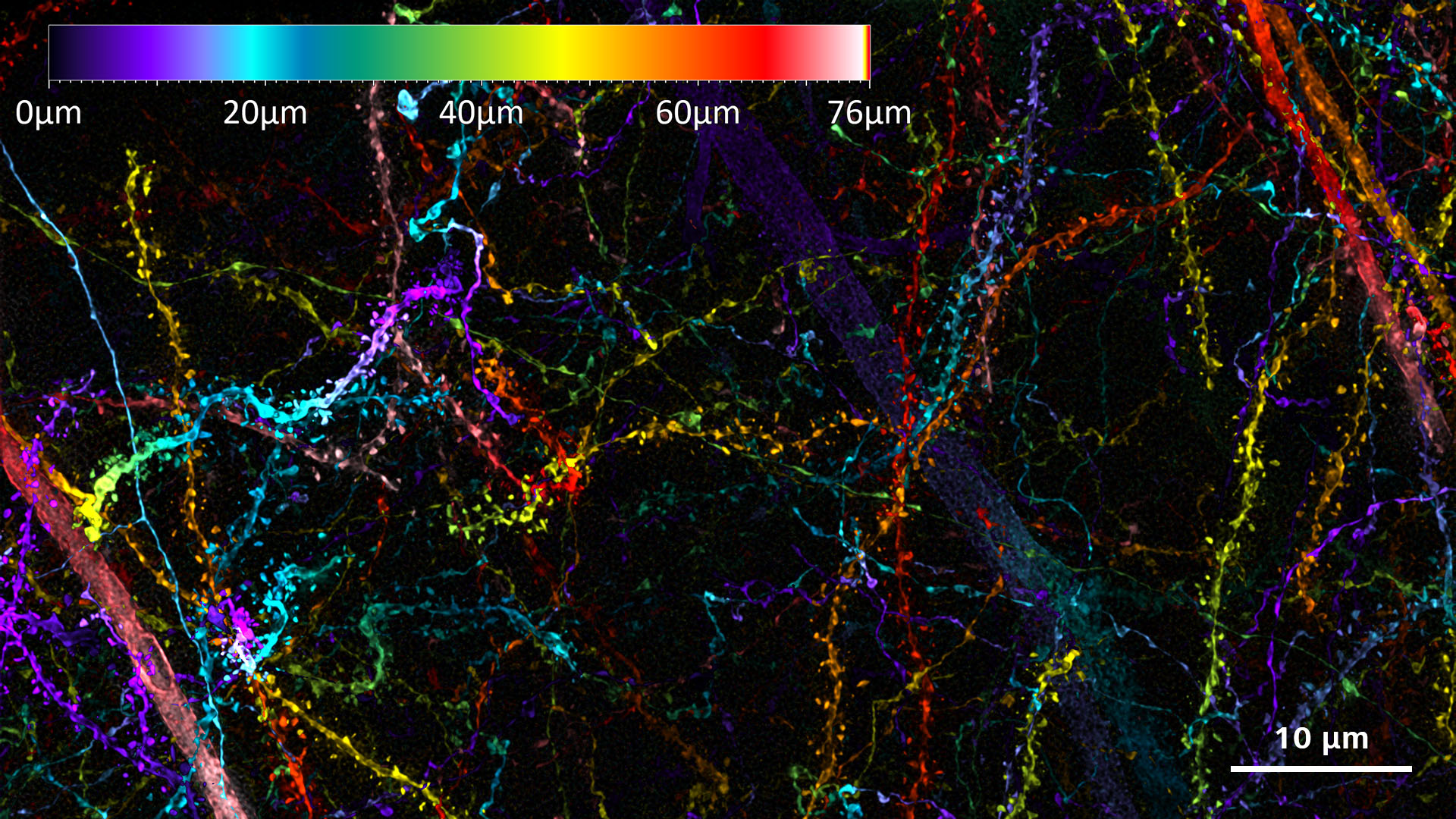

Studying Synaptic Function
Overcome the diffraction limit by combining super-resolution imaging and advanced processing techniques to visualize synaptic components at the nanoscale.
Understanding Neural Circuitry
Light sheet imaging captures data from multiple angles, allowing for thee-dimensional imaging of large samples and whole rodent brains so that researchers can map entire neural circuits.


Cellular Dynamics of Neurodegenerative Disease
Visualize in real-time cellular processes underlying disease progression and identify the critical changes in behavior and morphology to gain a deeper understanding of neurodegeneration.
Studying the Role of Glial Cells
Enhanced optical sectioning capabilities can minimize our-of-focus light, allowing for clearer visualization of glial cell processes and their interactions with neurons and vasculature.
Scroll animation items
Are you leveraging the latest innovations?
Discover the techniques that are advancing neuroscience
Studying Synaptic Function
Overcome the diffraction limit by combining super-resolution imaging and advanced processing techniques to visualize synaptic components at the nanoscale.
Cellular Dynamics of Neurodegenerative Disease
Visualize in real-time cellular processes underlying disease progression and identify the critical changes in behavior and morphology to gain a deeper understanding of neurodegeneration.
Studying the Role of Glial Cells
Enhanced optical sectioning capabilities can minimize our-of-focus light, allowing for clearer visualization of glial cell processes and their interactions with neurons and vasculature.
Understanding Neural Circuitry
Light sheet imaging captures data from multiple angles, allowing for thee-dimensional imaging of large samples and whole rodent brains so that researchers can map entire neural circuits and brain vasculature.
Visualize Deep Brain Activity
Image deep in the living brain, obtaining high-resolution images at speed allowing researchers to observe complex dynamics in real-time, mapping circuits to external stimuli.
Why You Do What You Do
Recommended Products for Neuroscience
Buy Online, Get a Quote or Trial


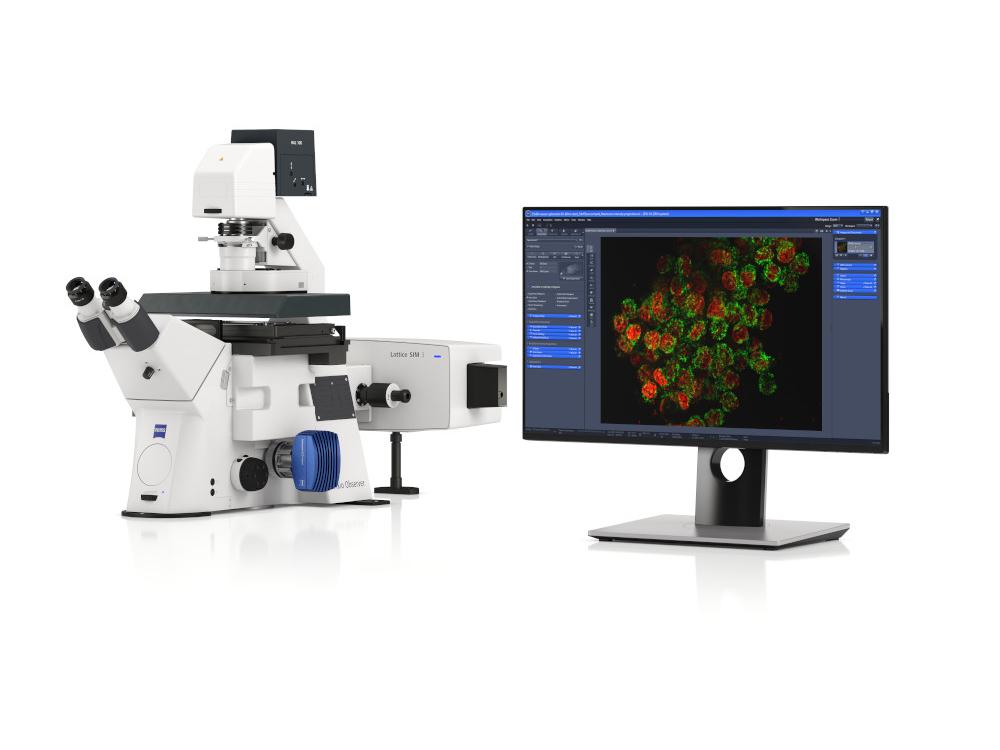

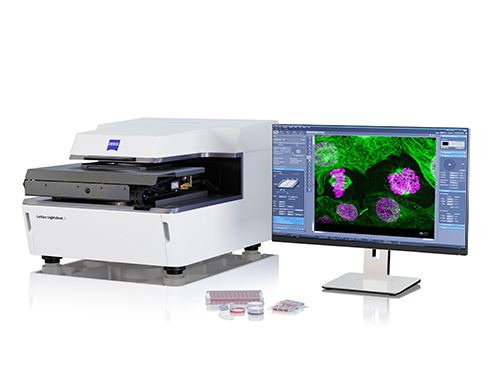


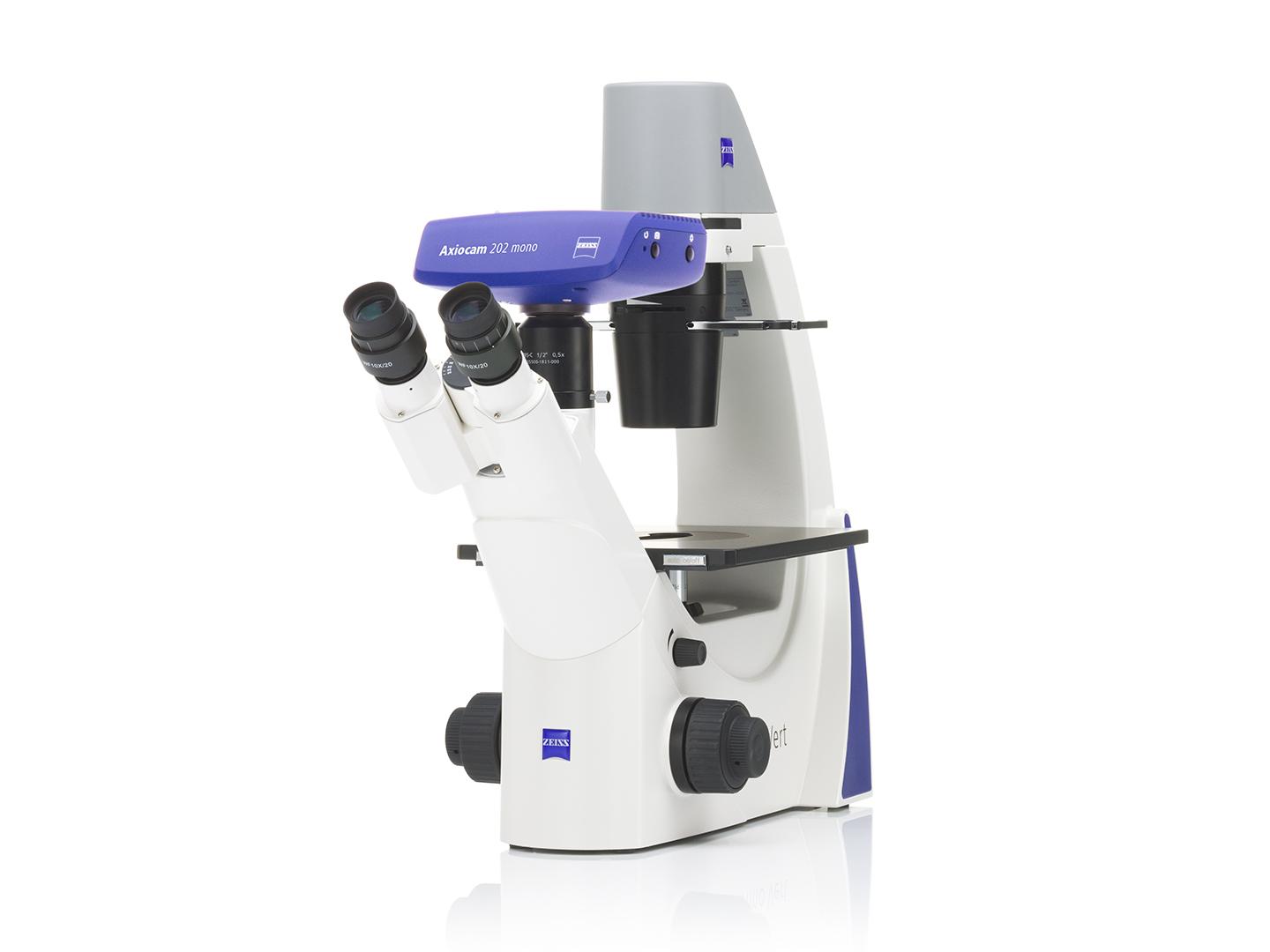

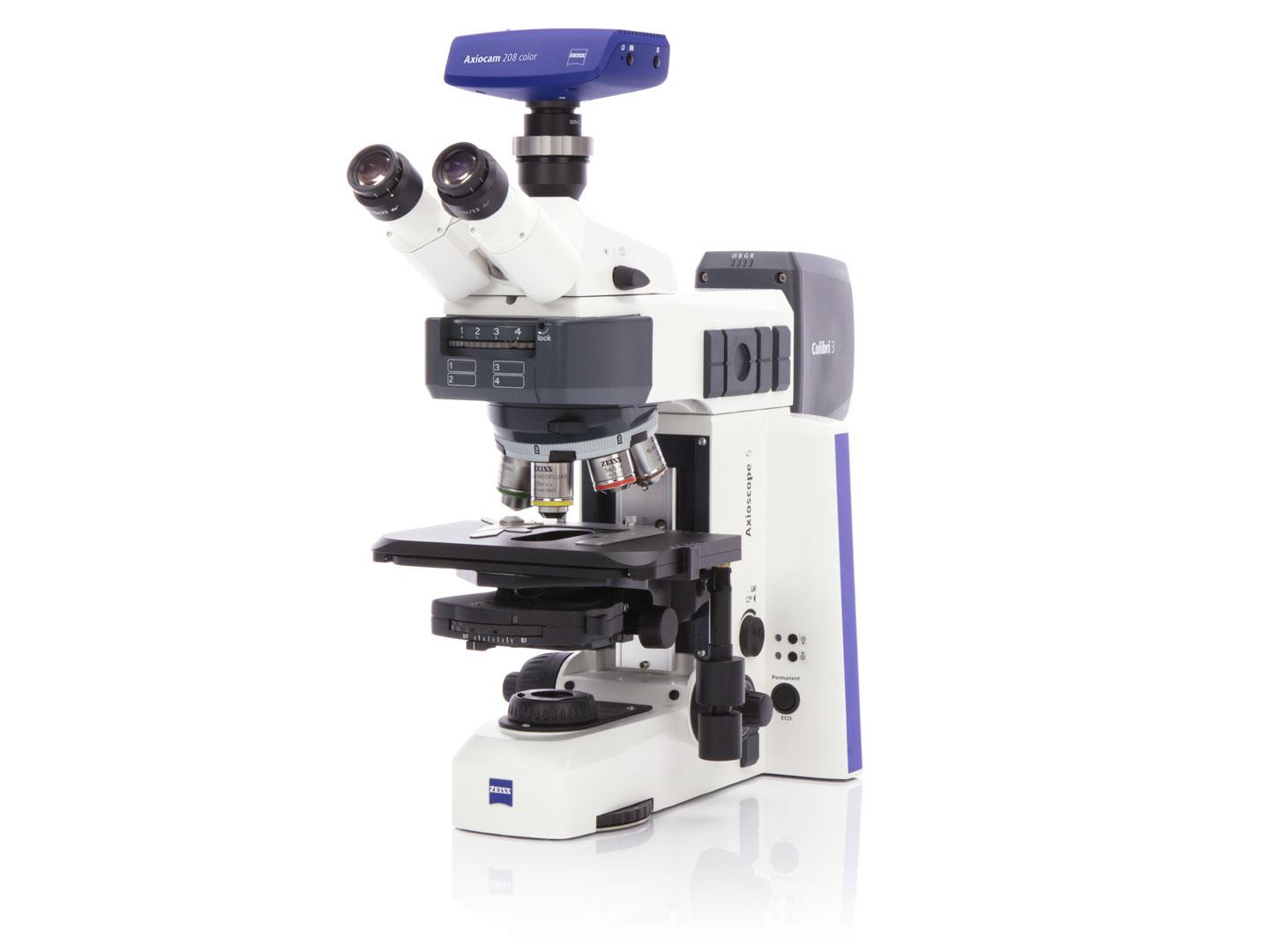

Slide Scanning Solutions for Your Field of Application
ZEISS Axioscan 7 configurations are designed to meet your unique requirements.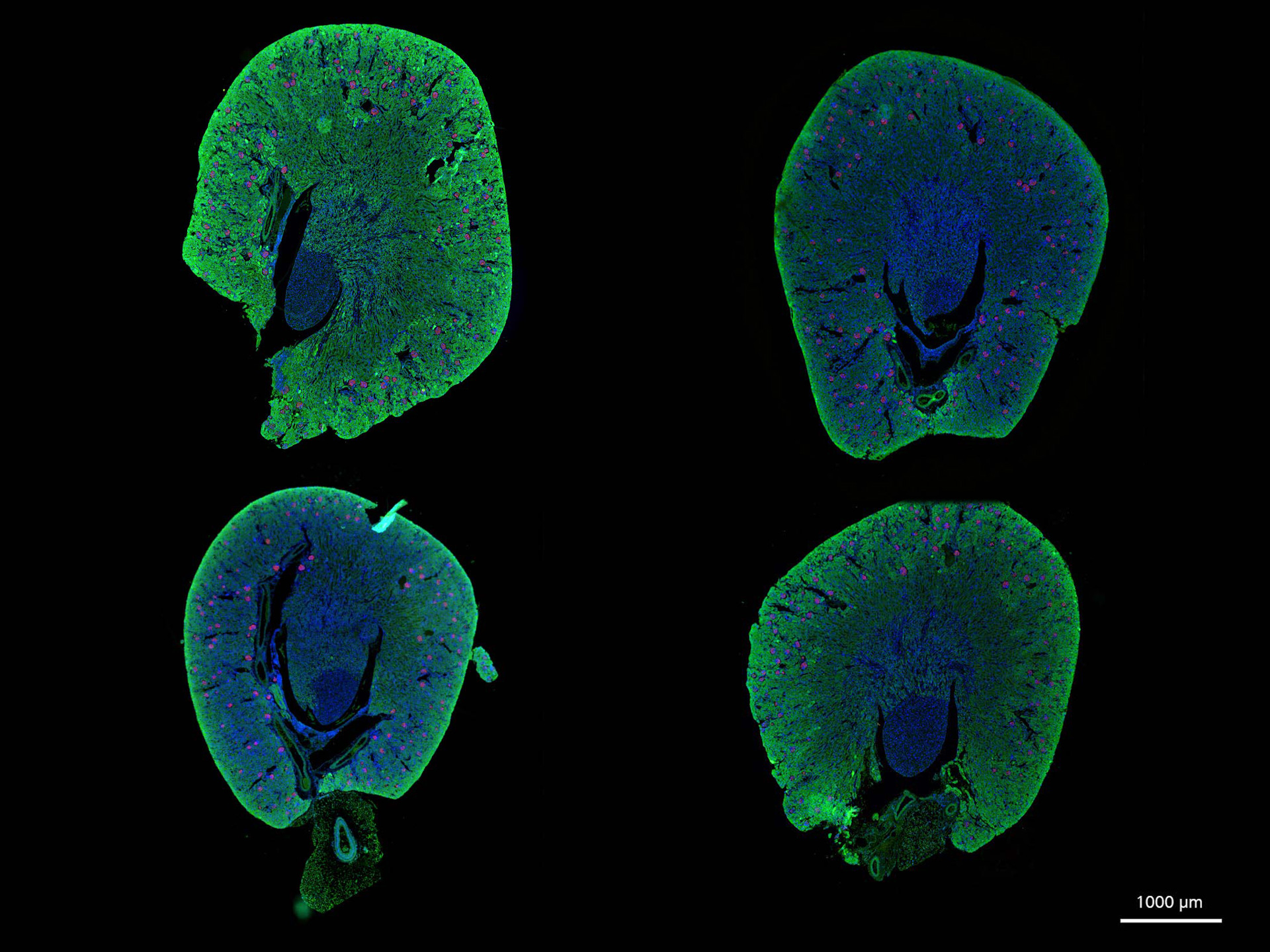

Axioscan 7
Scanning performance combined with application freedom- Benefit from application flexibility in a multi-user environment.
- Switch rapidly between fluorescence, brightfield and polarization.
- Get research-grade data quality for demanding fluorescence applications.
- Use powerful ZEN software to access many more processing and analysis functions.


Axioscan 7 spatial biology
Scalable multipex imaging for routine applications- Speed up multiplex imaging of up to eight fluorescence stained biomarkers.
- Benefit from solutions for robust, automated tissue detection and hyperplex cyclic imaging assays.
- Get an optimized configuration for superior inter-day and inter-device reproducibility.
- Choose from complementary software offerings for lab-automation, LIMS integration and AI-based image analysis.


-
Scanning Performance Combined with Application Freedom
Axioscan 7 combines qualities that you would never expect to find in a slide scanner—things like high-speed digitization and outstanding image quality, plus an unrivaled variety of imaging modes—all wrapped up in a fully automated and easy to operate system. Even the most challenging research tasks are supported by powerful hardware and perfectly featured software. Give your imaging facility users the ability to capture virtual slides quickly and with consistently high quality, whether their applications call for brightfield, fluorescence or polarization imaging.
A Variety of Super-fast Brightfield Imaging Modes
A newly designed condenser with its motorized modulator disk lets you switch automatically between different brightfield imaging modes to adapt to the different requirements of your applications. This opens up a whole new range of experiments and modality combinations, with:
- dramatically improved scan speeds in all brightfield imaging modes
- better sample detection and focusing
- new phase and relief contrast options
- circular and linear polarization now fully supported.

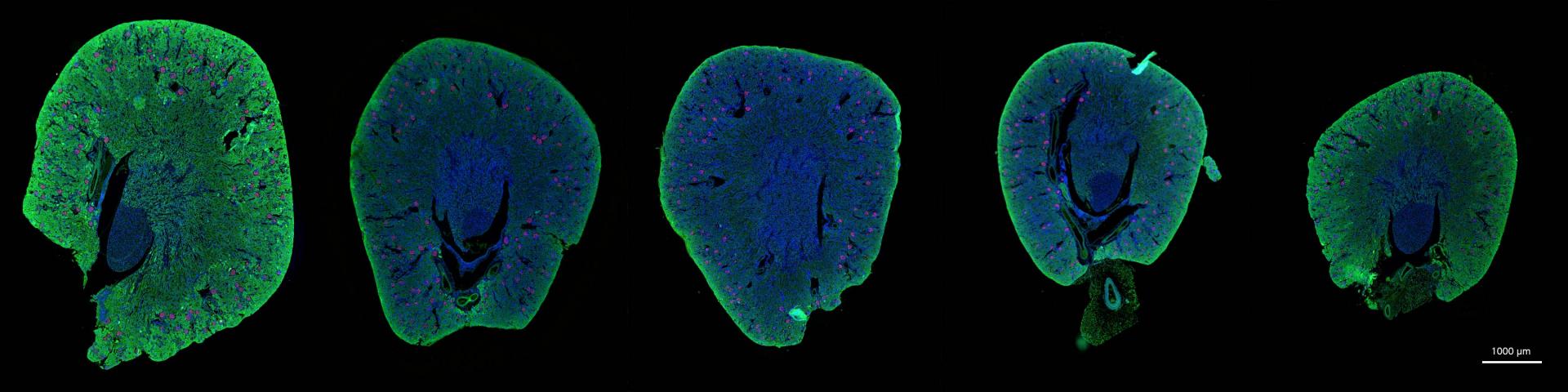
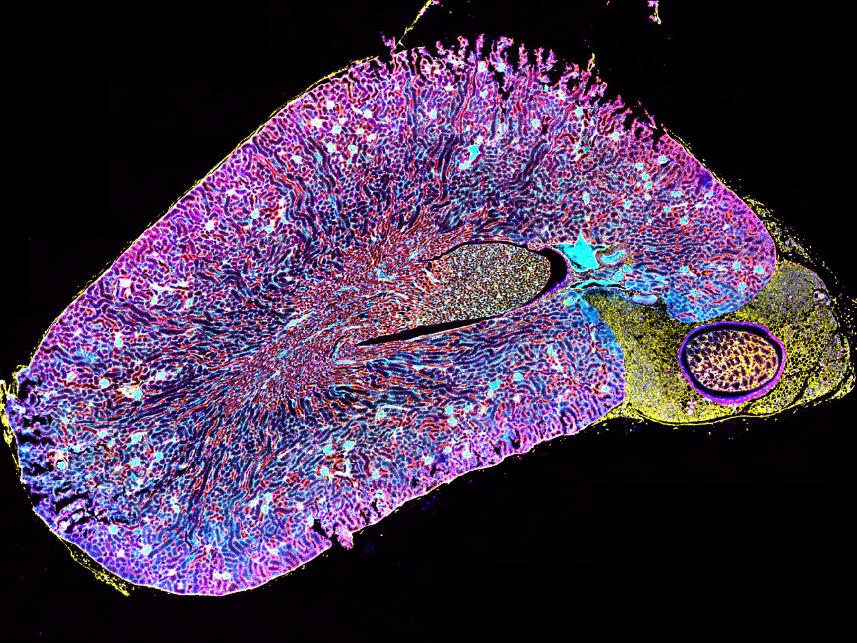
Paraffin-embedded mouse kidneys from healthy wildtype animals (12 weeks). Nephrin stained with Cy3. PCNA APC (FarRed) and DAPI as counterstaining. Imaged with 20× NA 0.8 objective.
Paraffin-embedded mouse kidneys from healthy wildtype animals (12 weeks). Nephrin stained with Cy3. PCNA APC (FarRed) and DAPI as counterstaining. Imaged with 20× NA 0.8 objective.
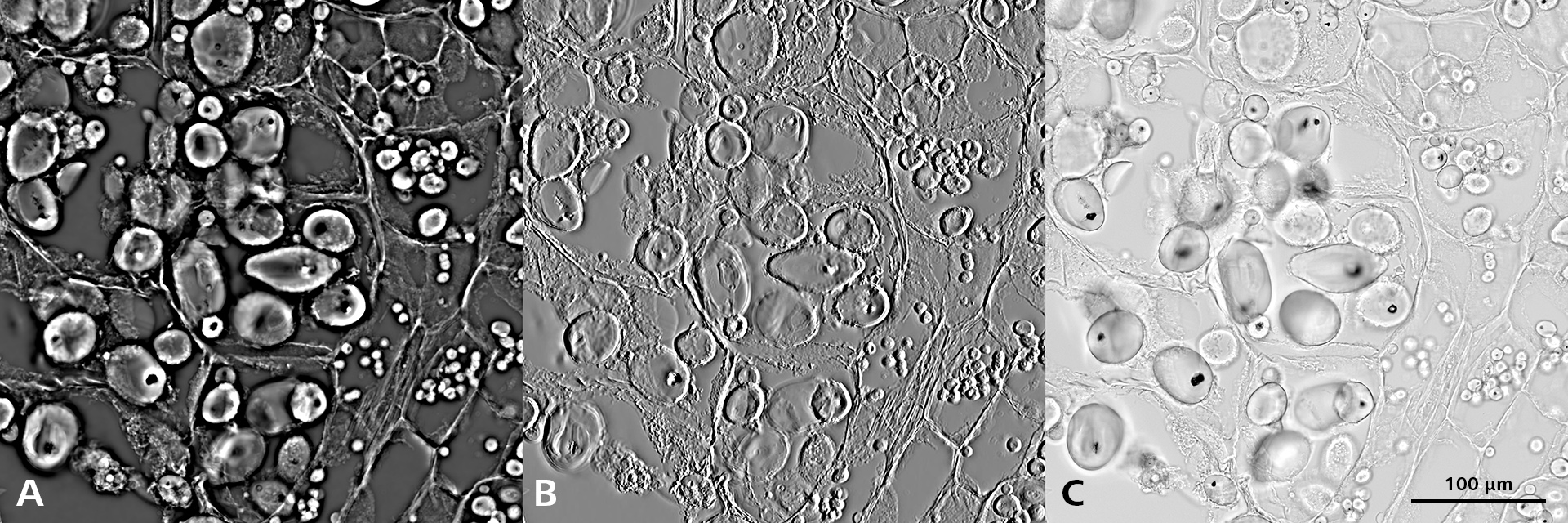
Solanum tuberosum – potatoe starch, 20x Plan-Apochromat 0.8; A) TIE phase contrast, B) TIE relief contrast, C) Brightfield
Solanum tuberosum – potatoe starch, 20x Plan-Apochromat 0.8; A) TIE phase contrast, B) TIE relief contrast, C) Brightfield
-
Workflow Automation for Multiplexed Spatial Profiling at Scale
By leveraging multiplex immunofluorescence (mIF) staining with multiple biomarkers, spatial biology allows simultaneous visualization and quantification of numerous proteins within a single tissue section. This enables detailed analysis of cell presence, abundance, spatial distribution and cell-to-cell interactions.
Load ZEISS Axioscan 7 spatial biology with 100 samples and scan them all in less than a day with unprecedented speed, fully automated and supported by AI-enabled tissue detection and high dynamic range imaging. Analyze up to eight biomarkers at the same time and generate highly reproducible data that you can rely on. We offer complimentary service solutions to integrate streamlined workflow solutions into pre-existing LIMS and IMS systems.
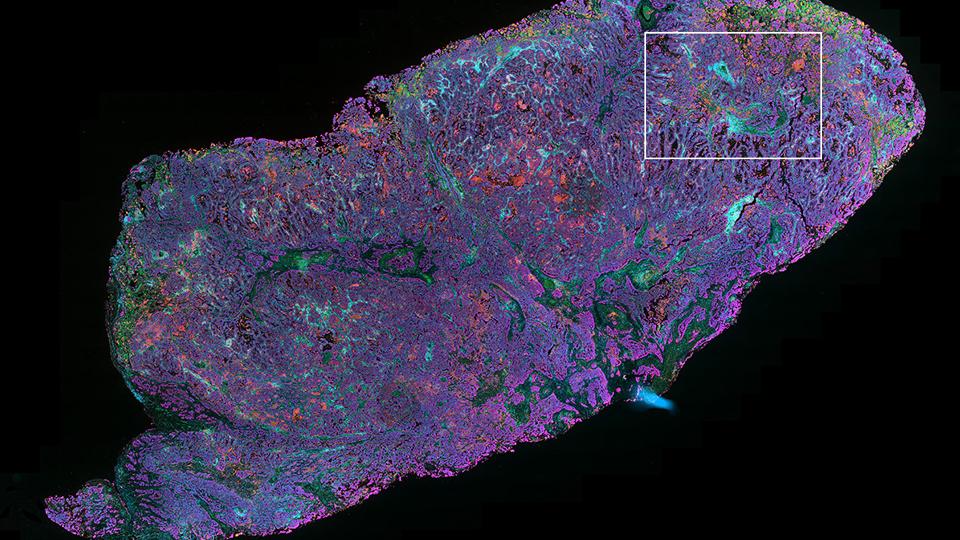
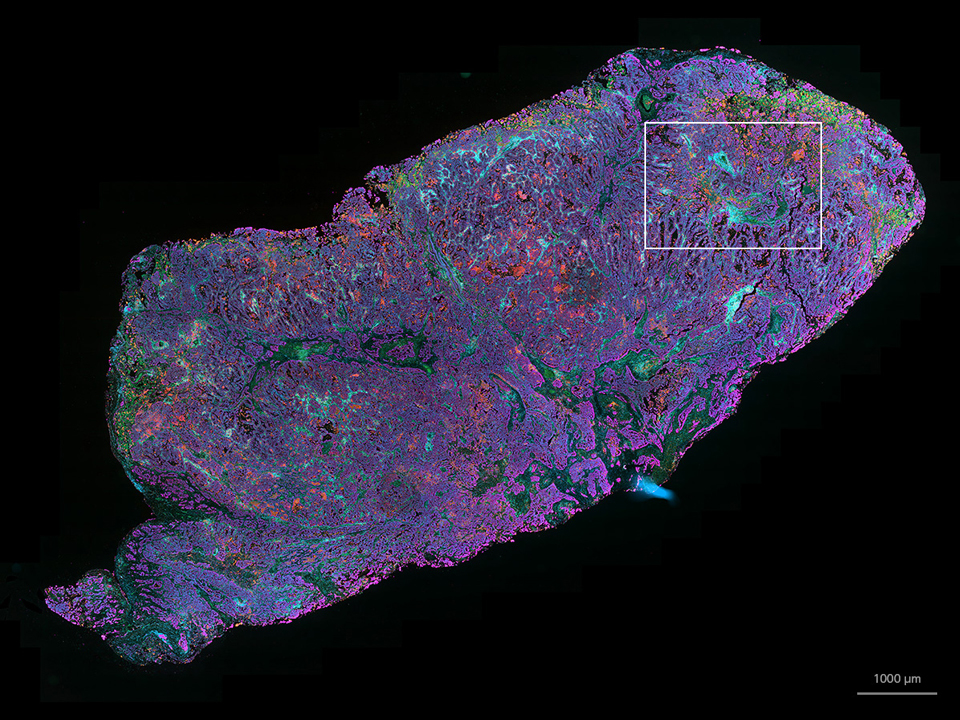
NSCLC tissue stained with UltiMapper I/O PD-L1 kit.
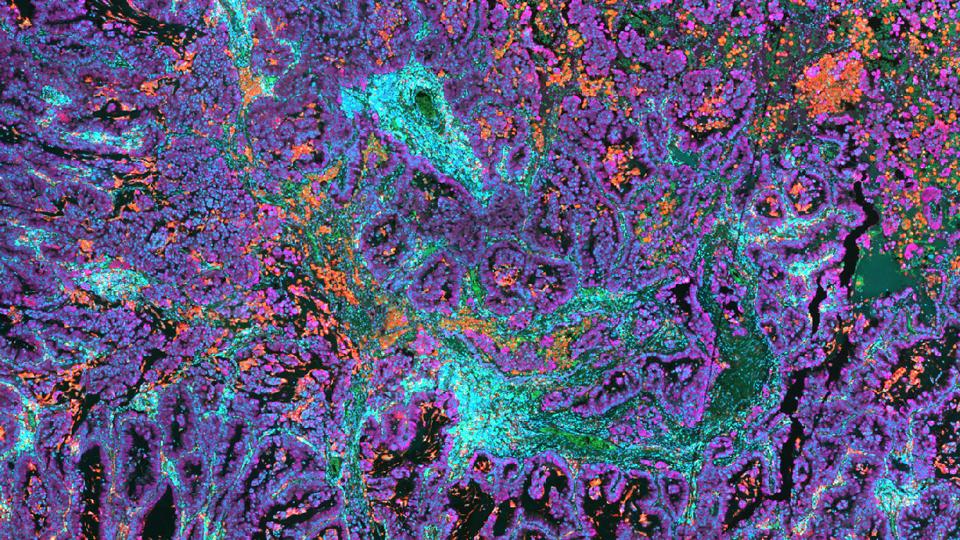
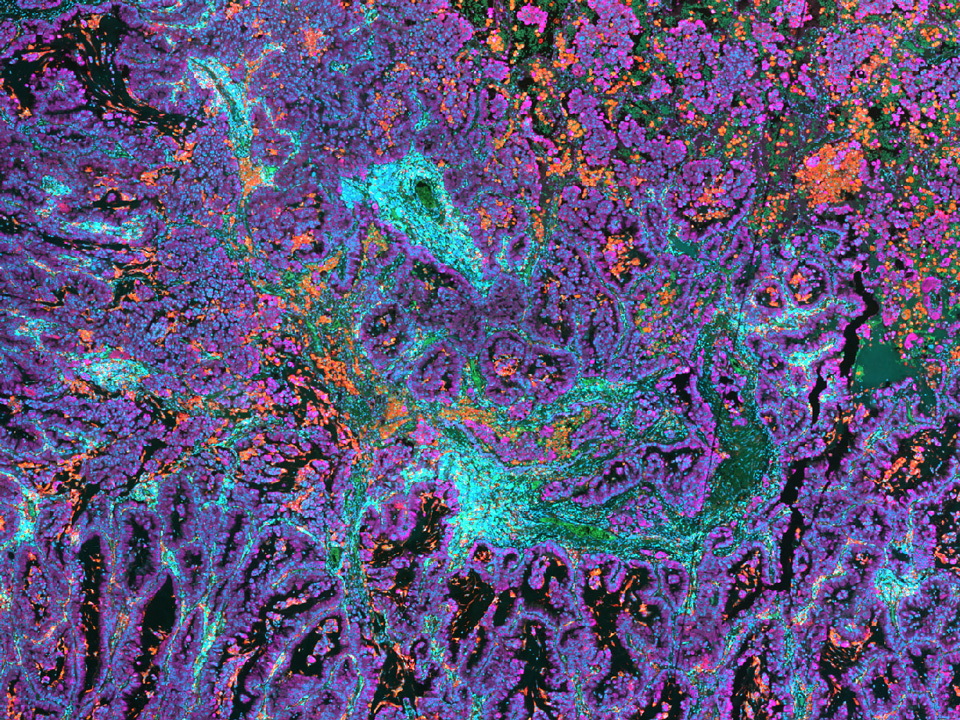
NSCLC tissue stained with UltiMapper I/O PD-L1 kit. Picture detail.
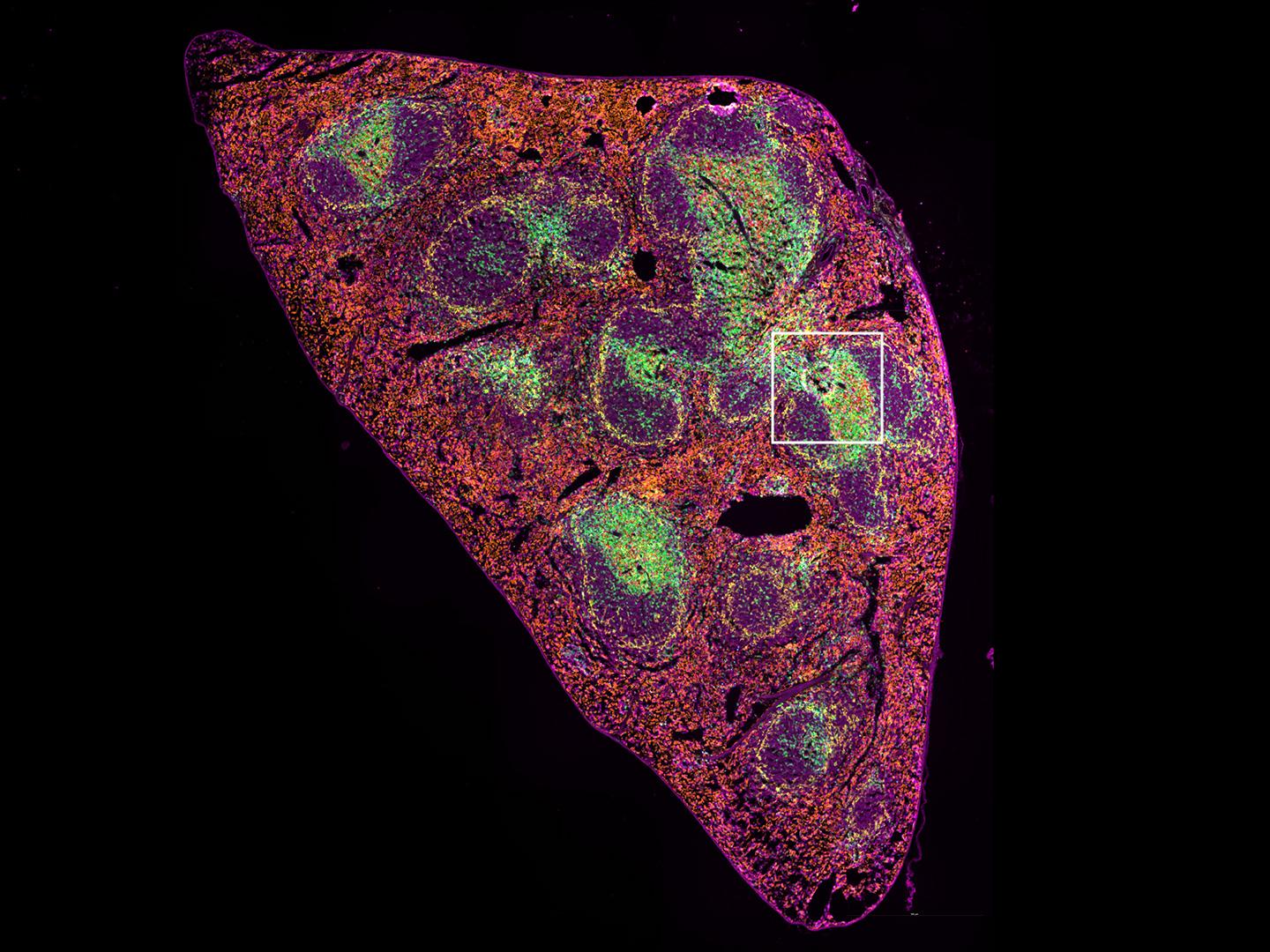
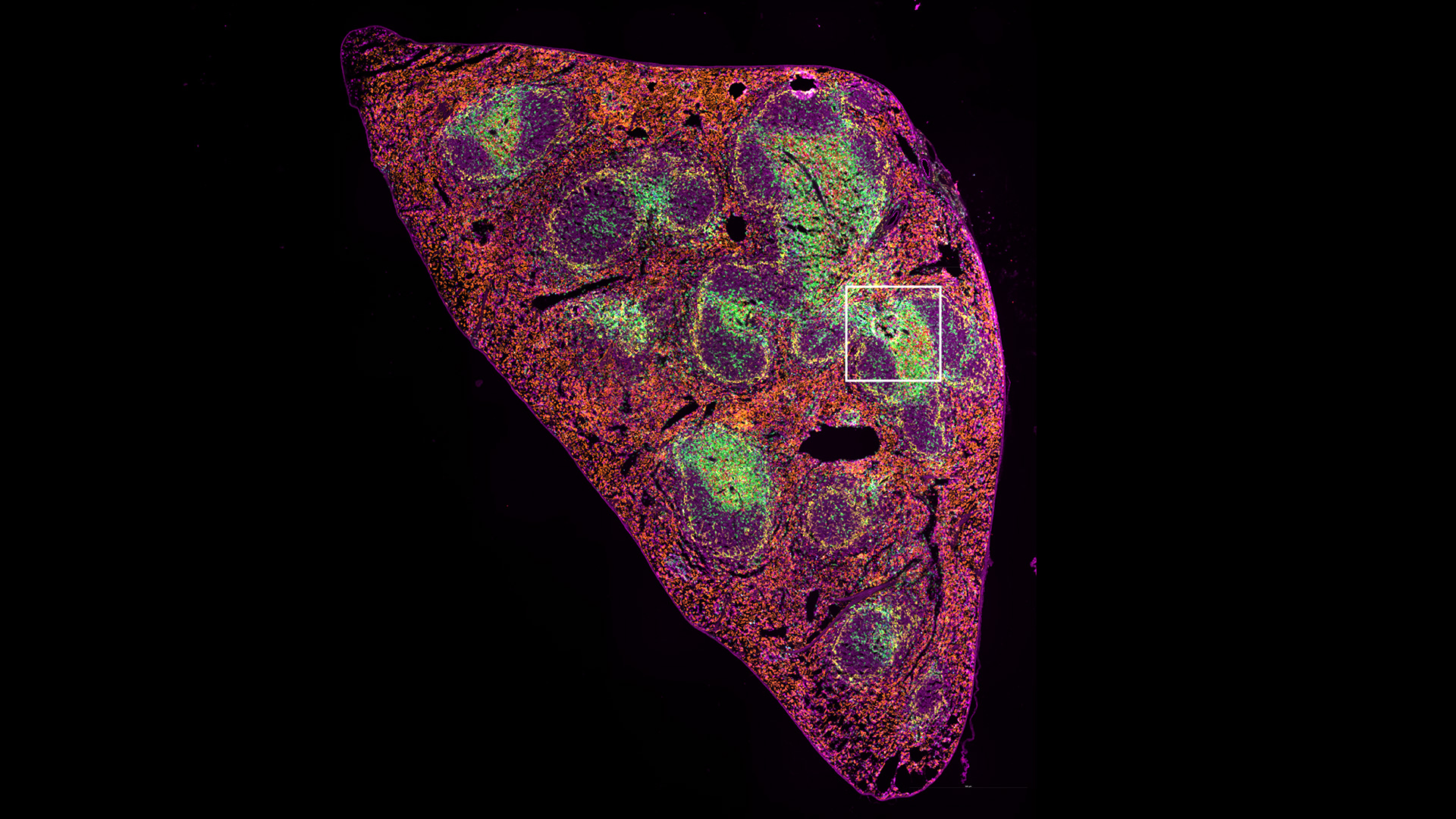
Mouse spleen fresh frozen sections, 8-plex staining of CD11c, CD4, F4/80, CD8, CD11b, B220, CD169, DAPI using Kromnigon StreptaClick® technology. DAPI is not shown on this image.

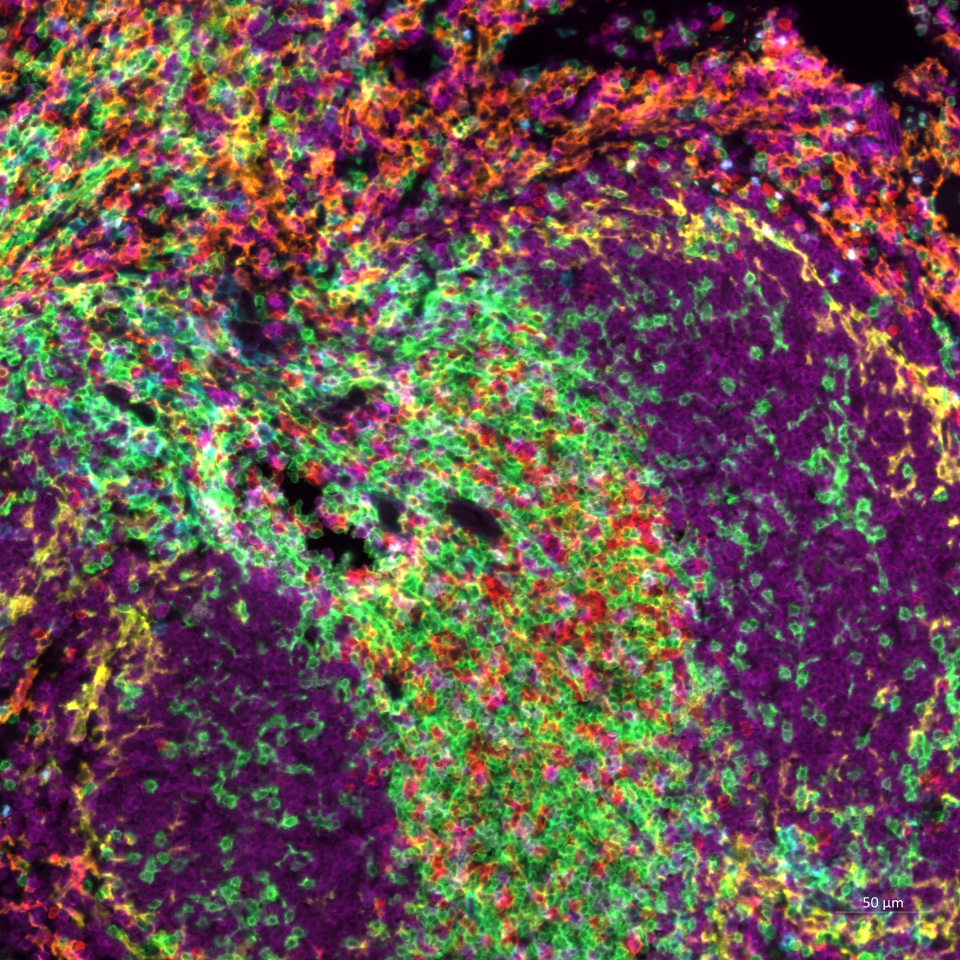
Mouse spleen fresh frozen sections. Picture detail.
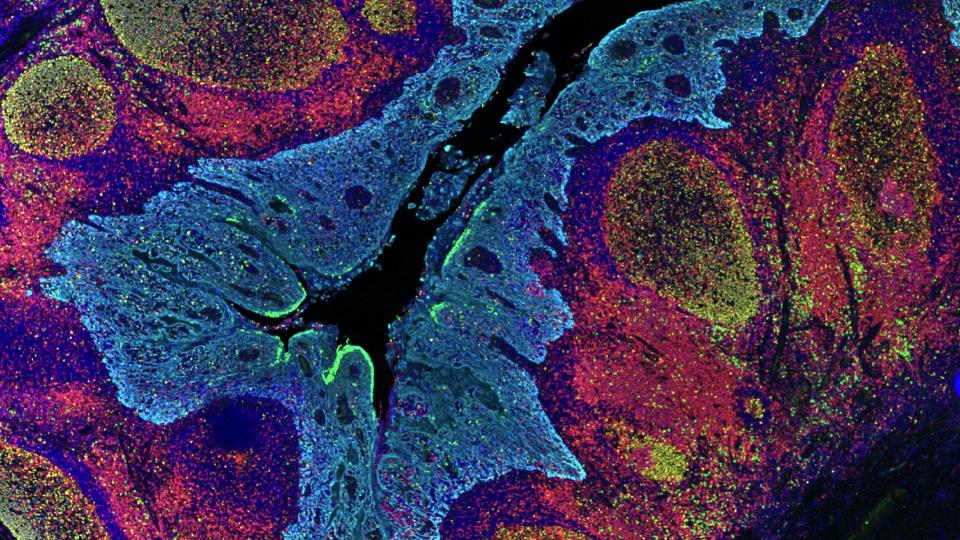
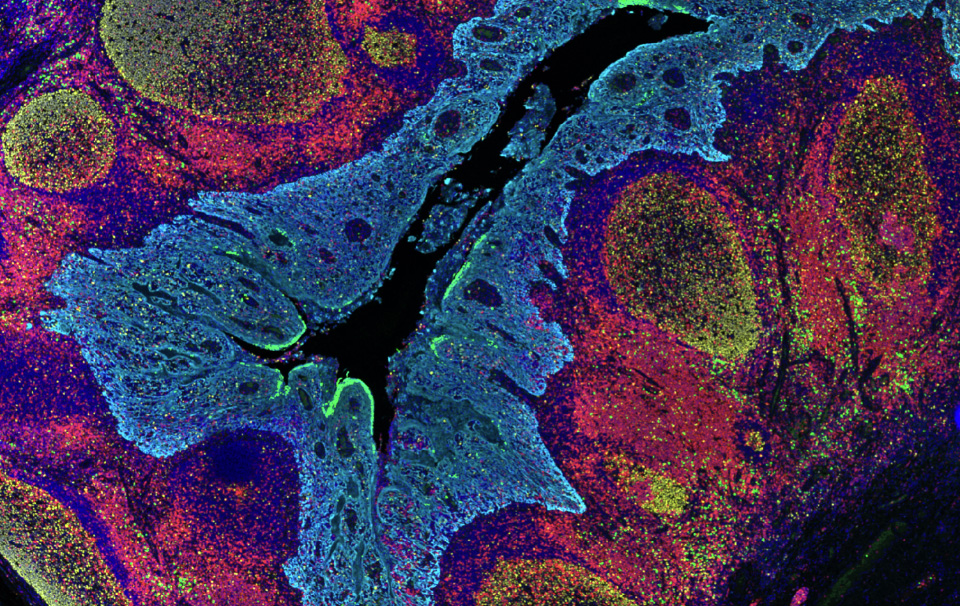
Human tonsil FFPE tissue section stained with Ki67, GranzymeB, CD3, CK/SOX10, DAPI.
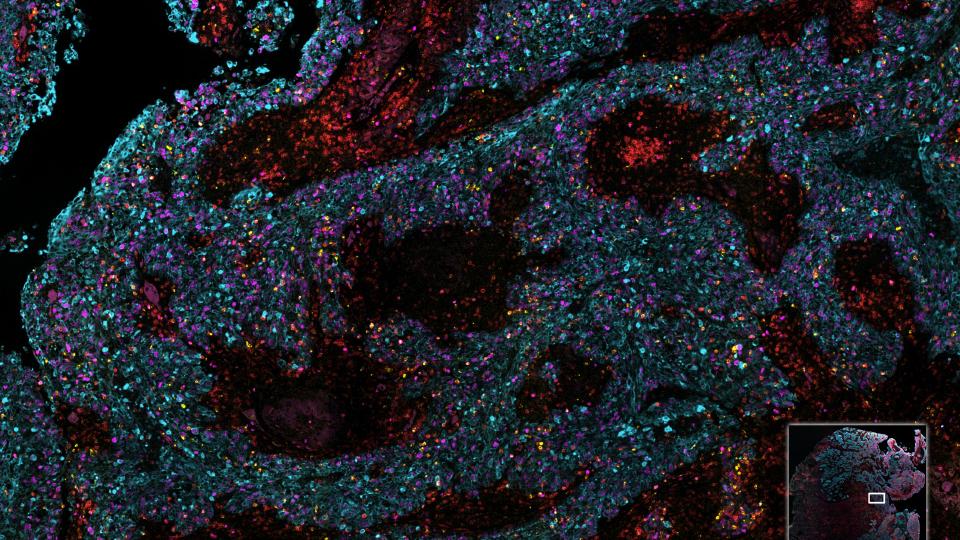
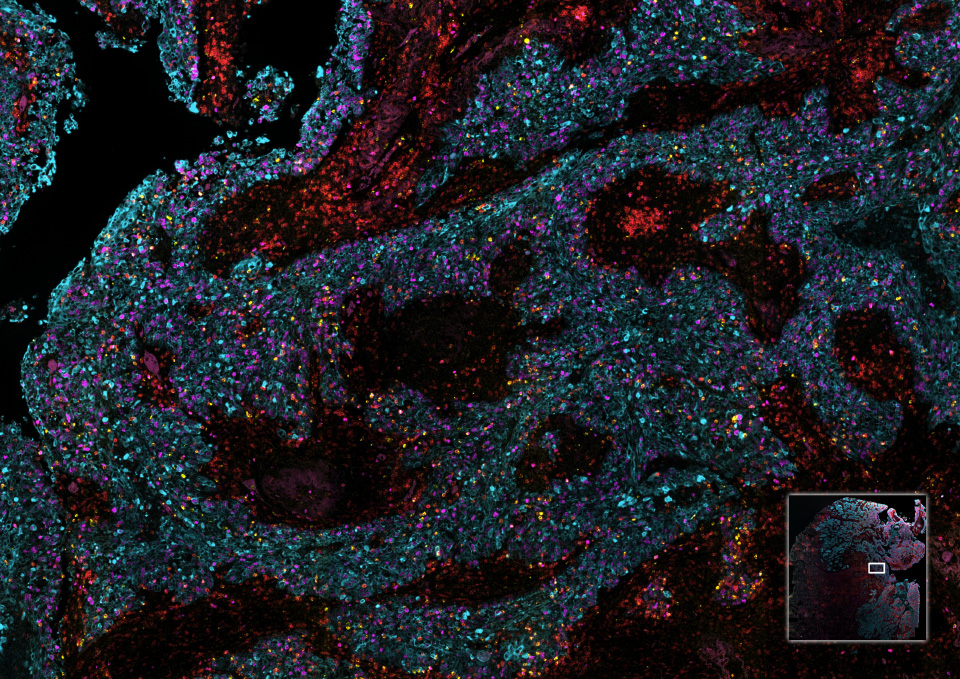
A composite image of Non-Small Cell Lung Cancer tissue, stained with Ki67, GranzymeB, CD3, CK/SOX10, DAPI.
Sample is courtesy of Concept Life Sciences, CRO in UK.
A mouse liver FFPE tissue section stained with 6 biomarker targets and DAPI.
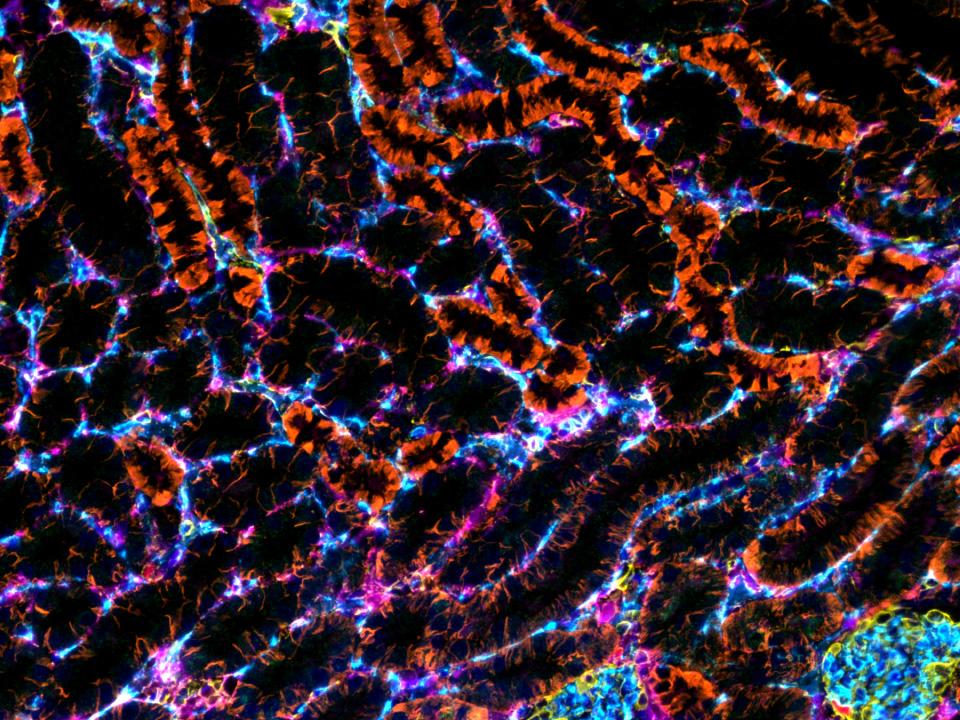
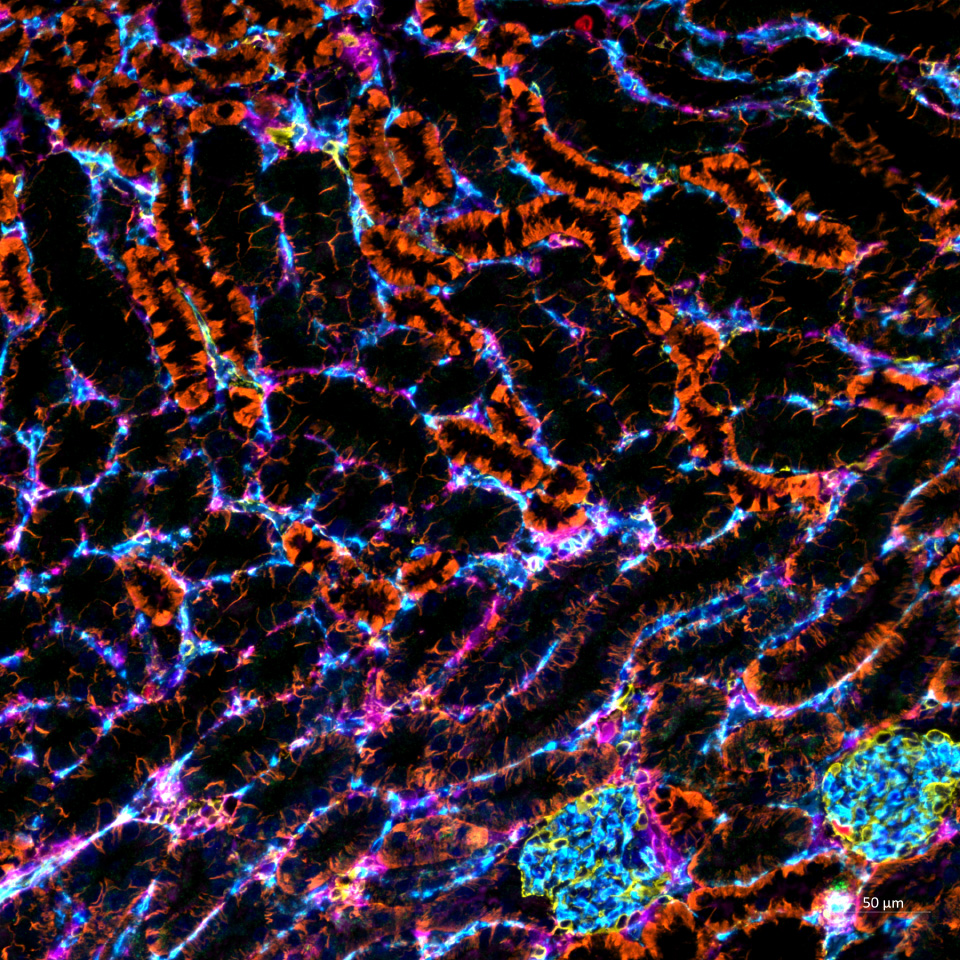
A mouse liver FFPE tissue section. Picture detail.
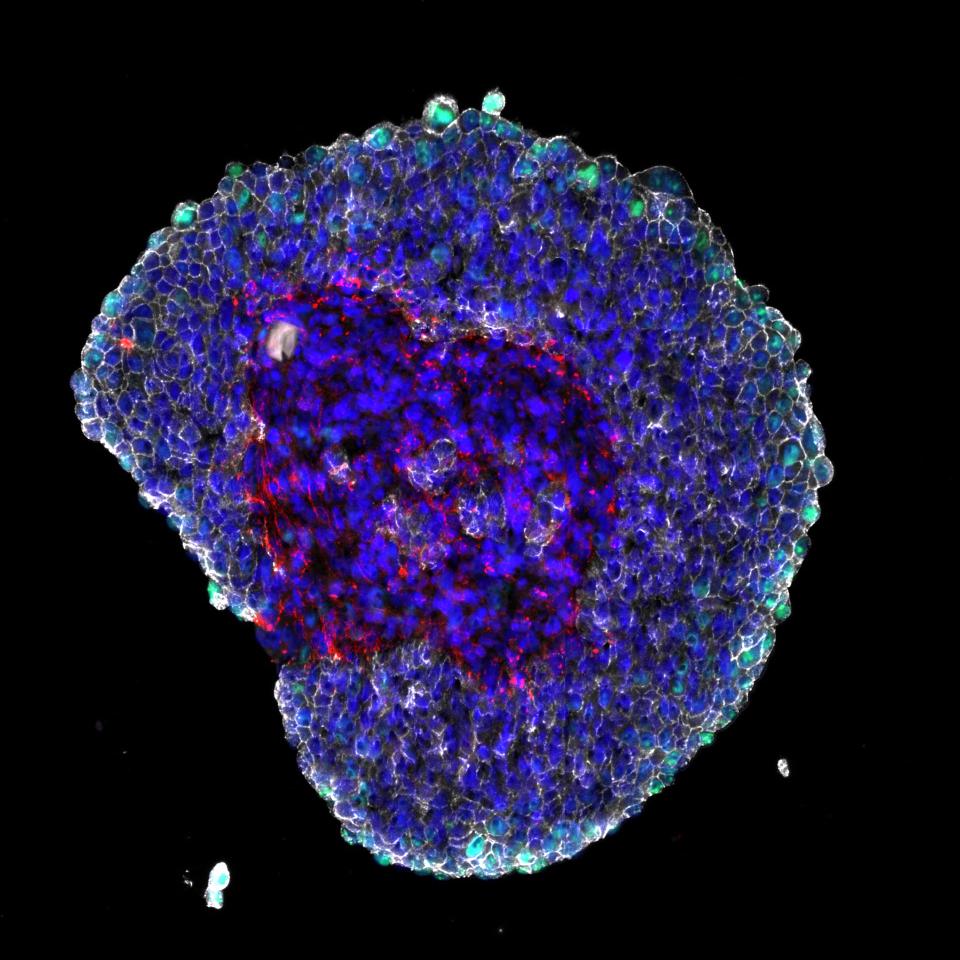
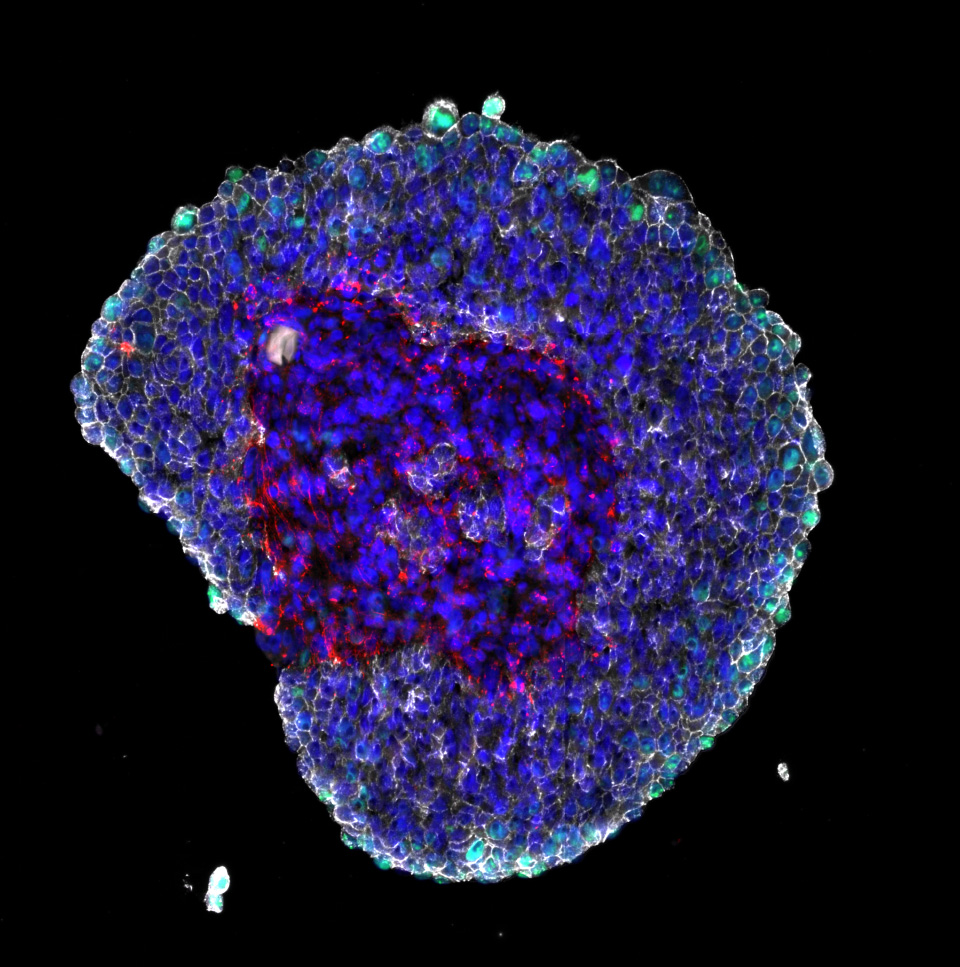
Colon cancer spheroid co-cultured with fibroblasts. FFPE sections stained for Filaggrin, Ki67, Collagen-1, E-cadherin, DAPI. The spheroids were grown, fixed, paraffin embedded, cut and stained at Bioneer A/S (Hørsholm, Denmark)
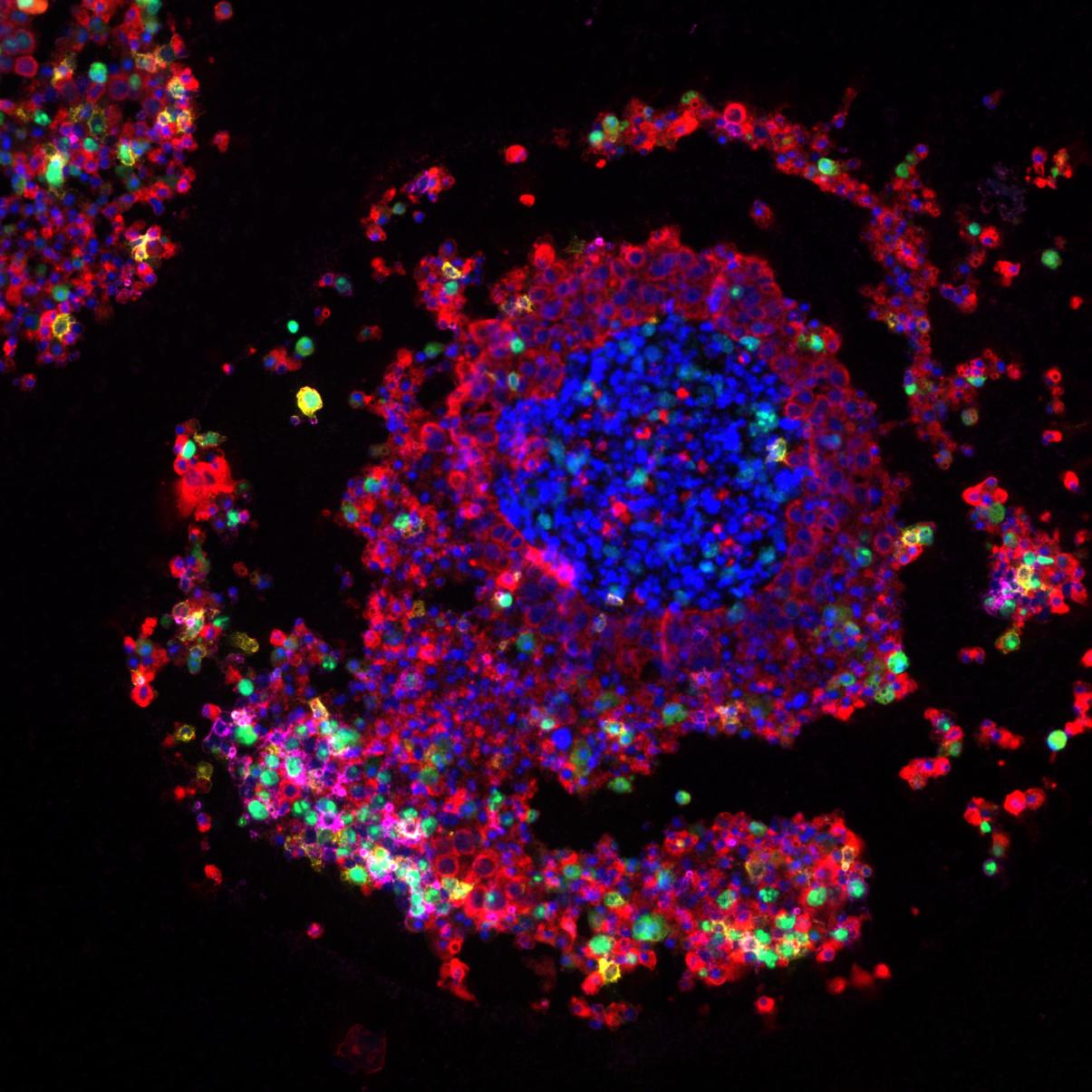
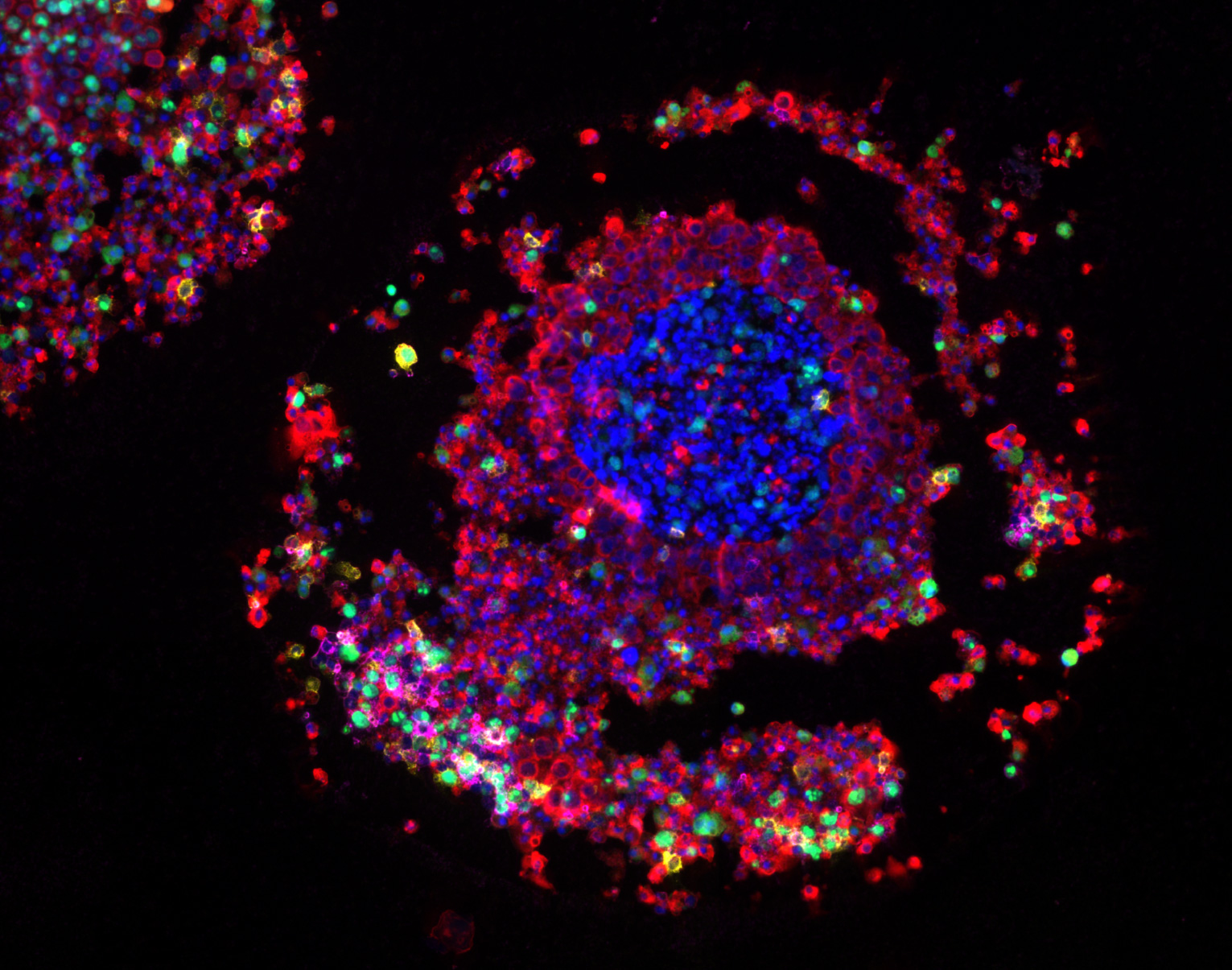
The cancer spheroid shown here contains HT29 colon cancer cells, fibroblasts and bead-activated T cells, and shows a partly disintegrated spheroid structure, where the damage is caused by cytotoxic T-cells (CD8 positive, yellow). HT29 cells are stained with the panCK antibody (red). A subset of T cells is PD-1 positive (purple). The fibroblasts remain unstained (dense DAPI-positive structure) except for some Ki67 staining. A subset of CD8⁺ cells is co-expressing Ki67. The spheroids were grown, fixed, paraffin embedded and cut at Bioneer A/S (Hørsholm, Denmark).
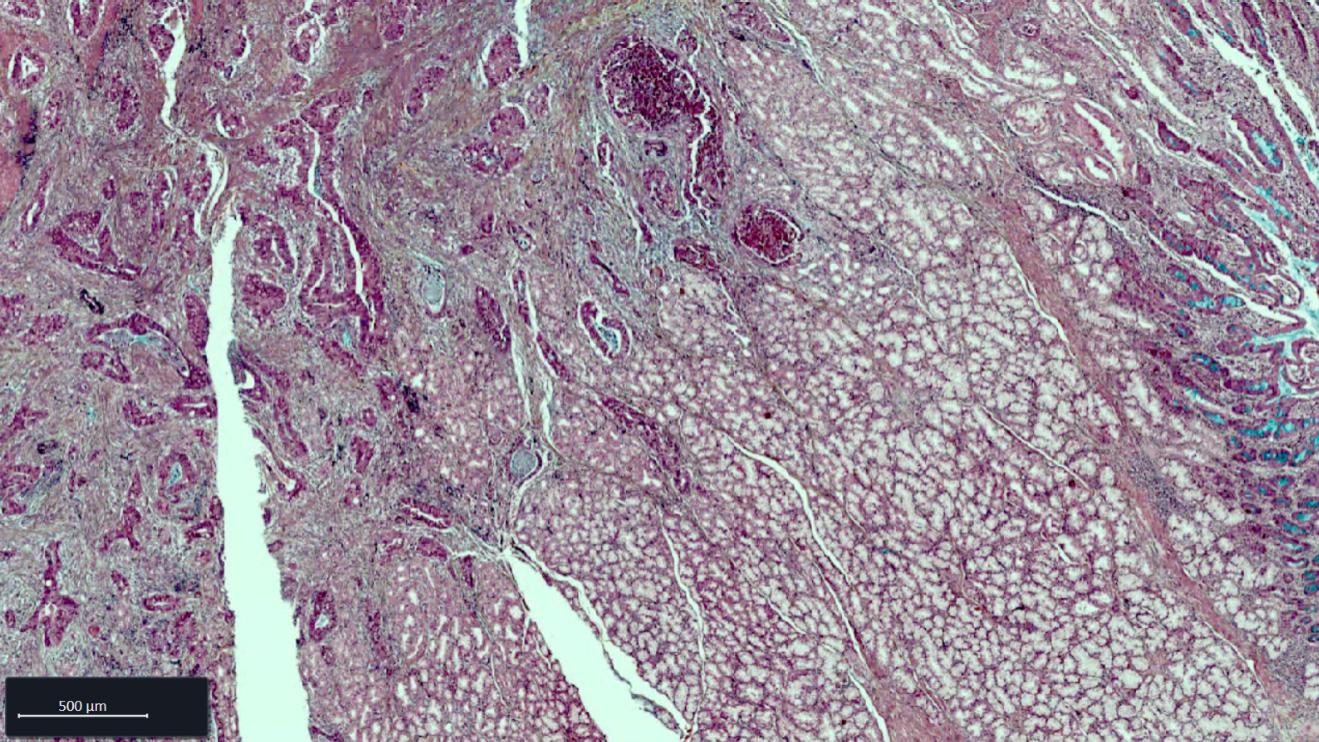
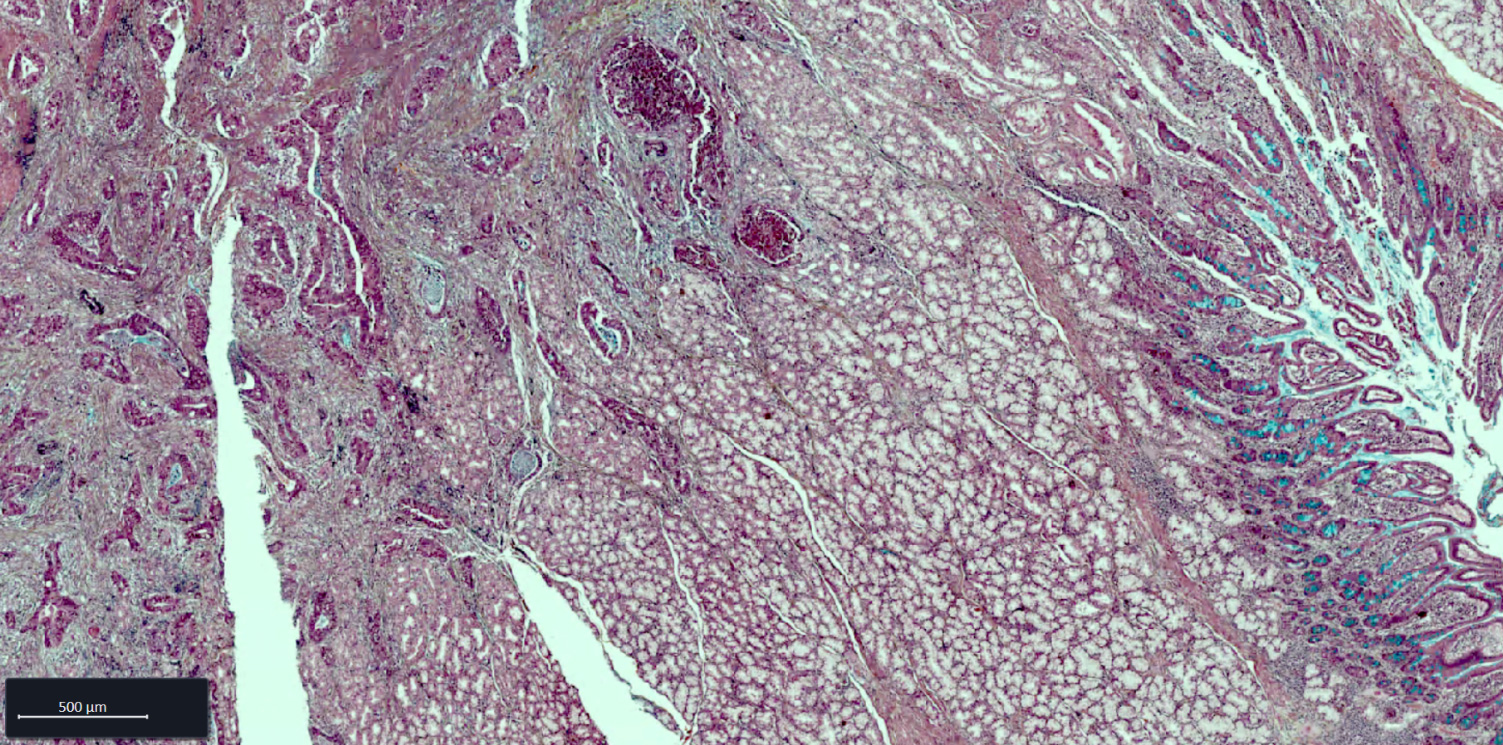
Movat staining
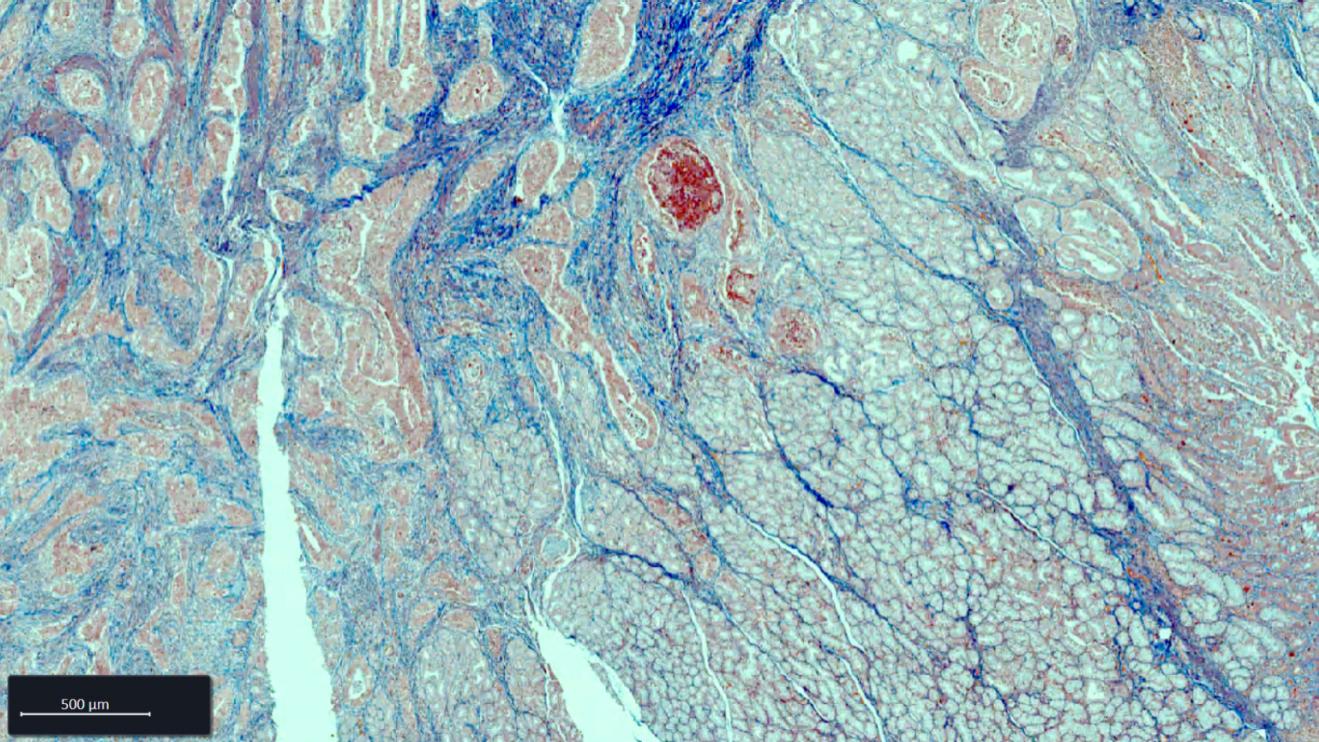
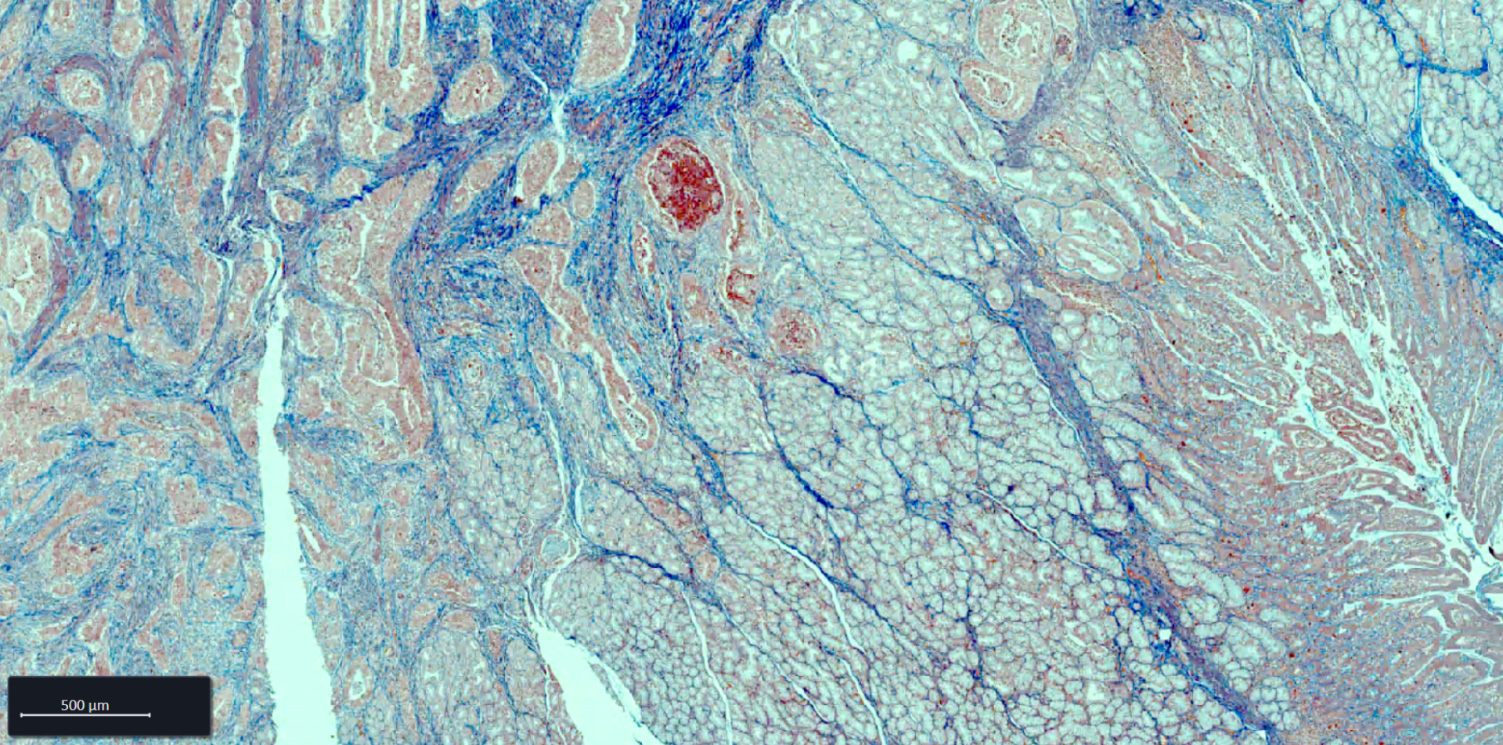
AZAN staining
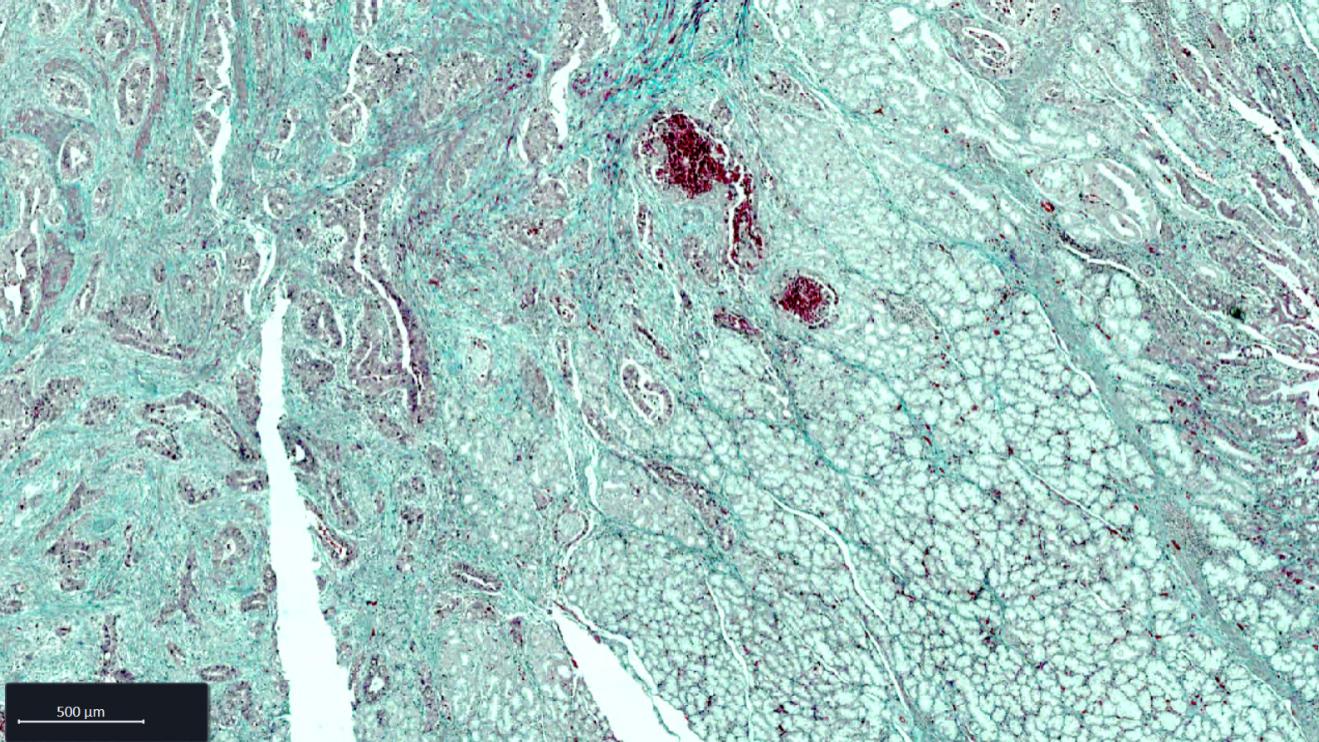
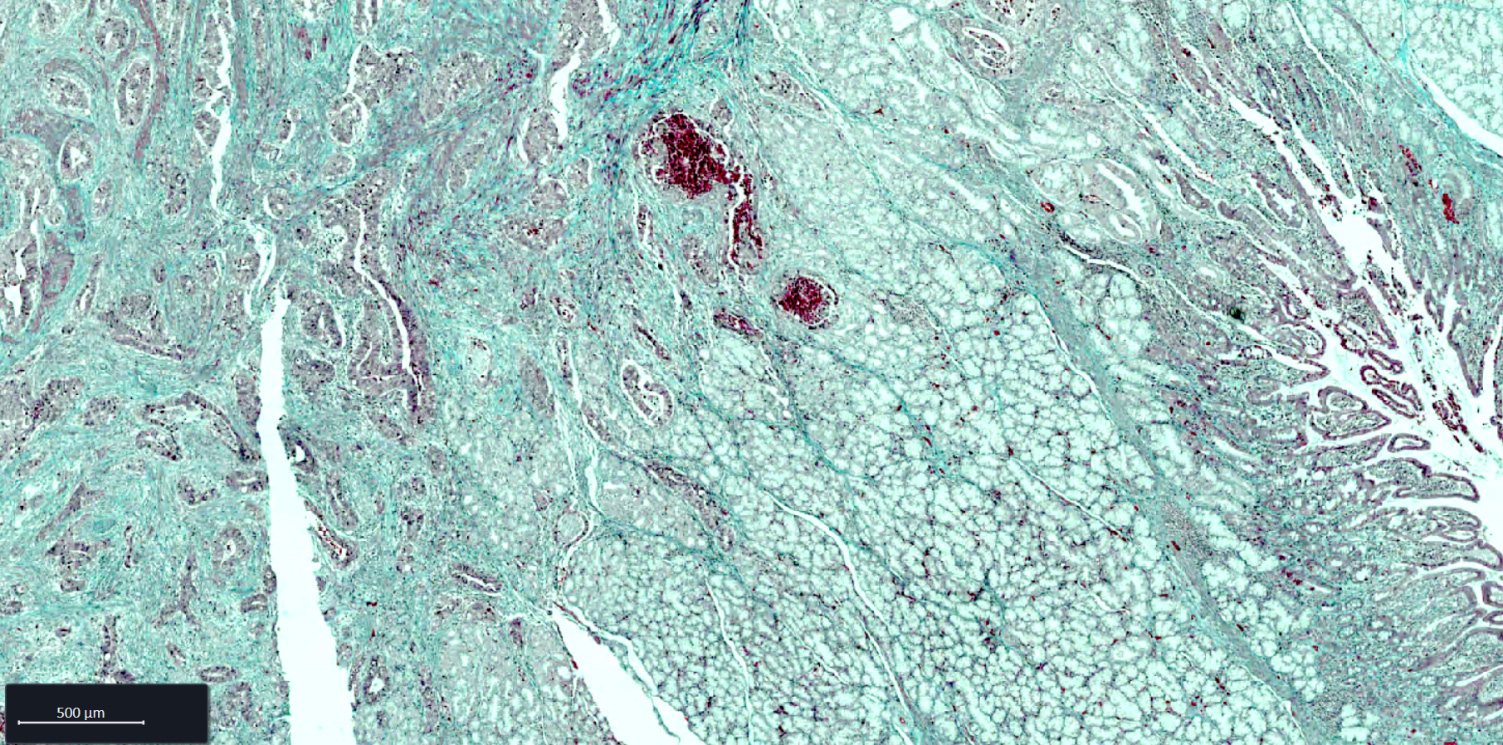
Goldner staining
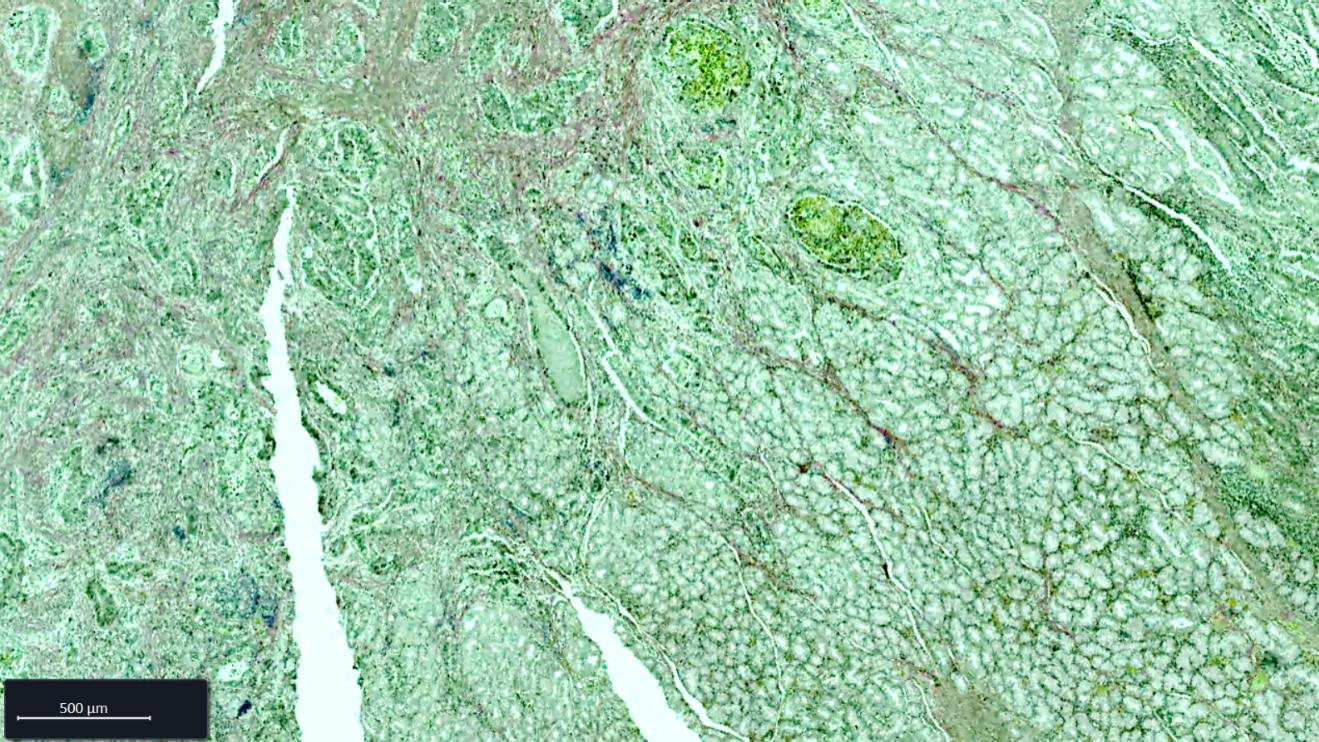
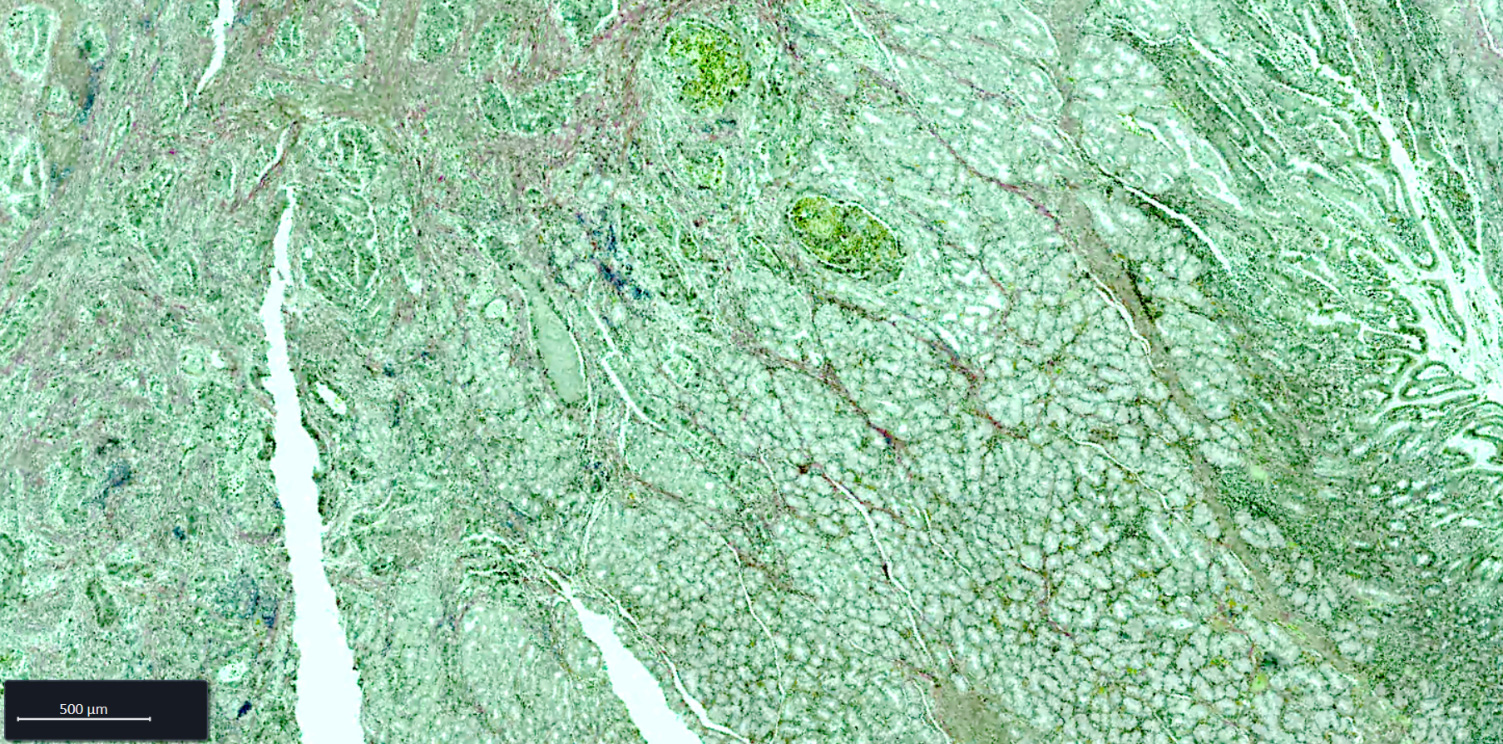
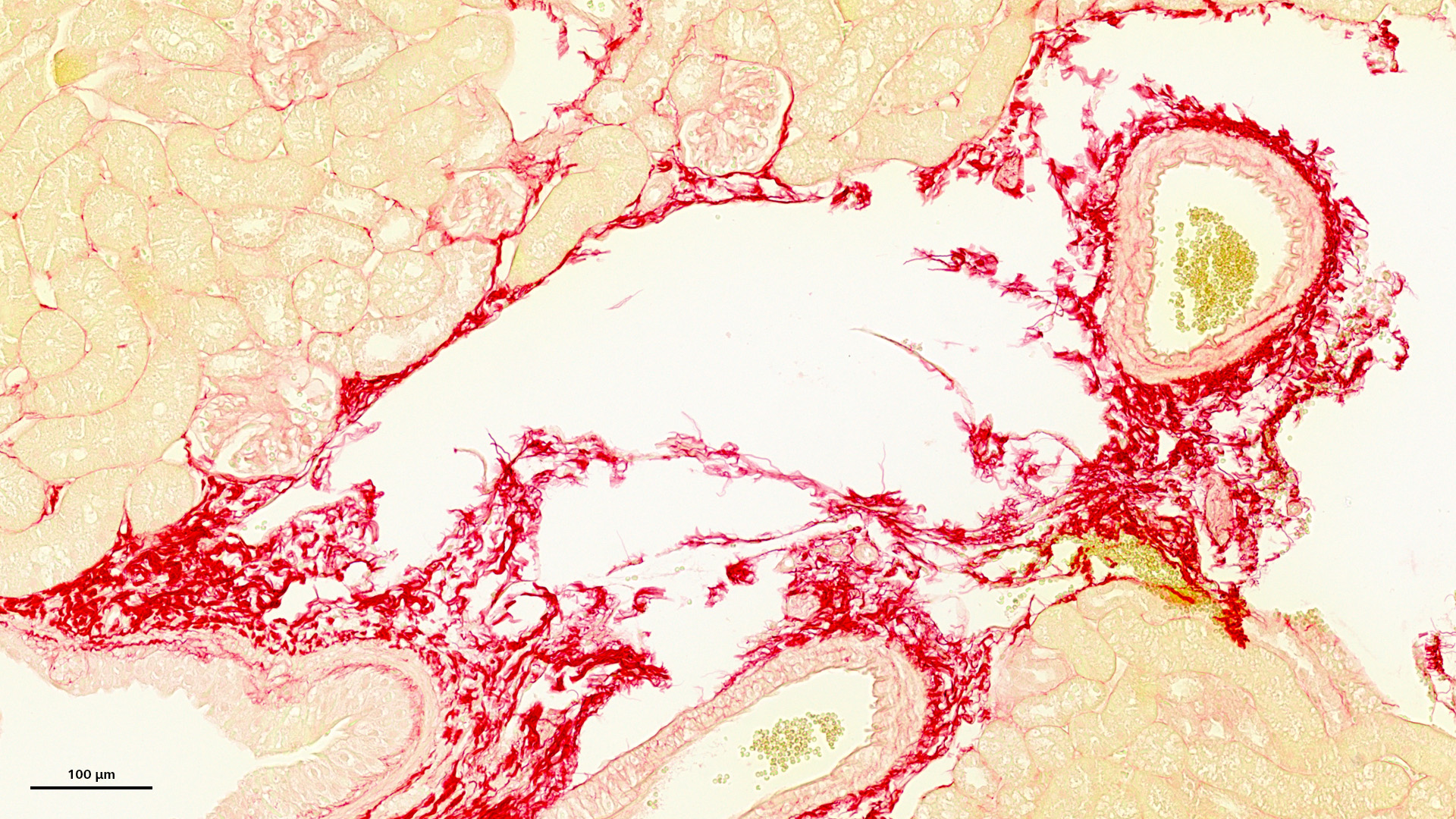
Weigert-Van Gieson (WvG) staining
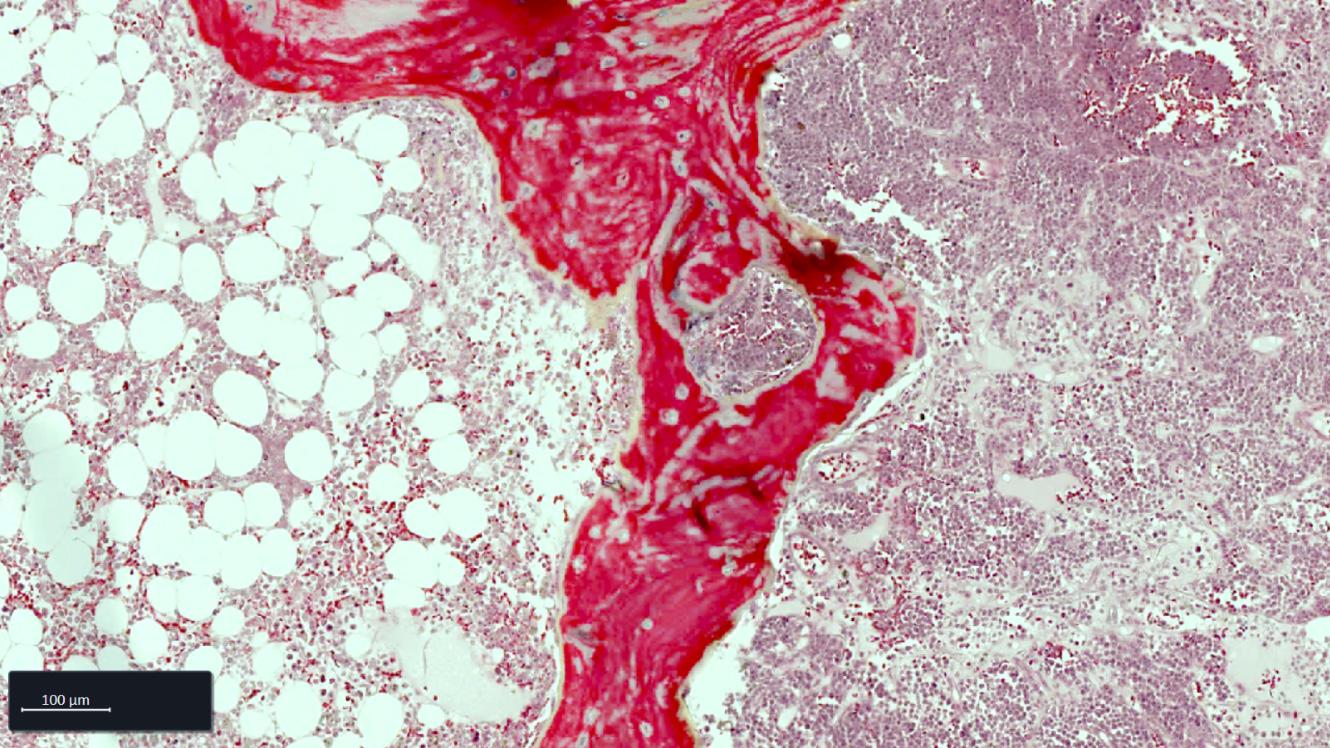
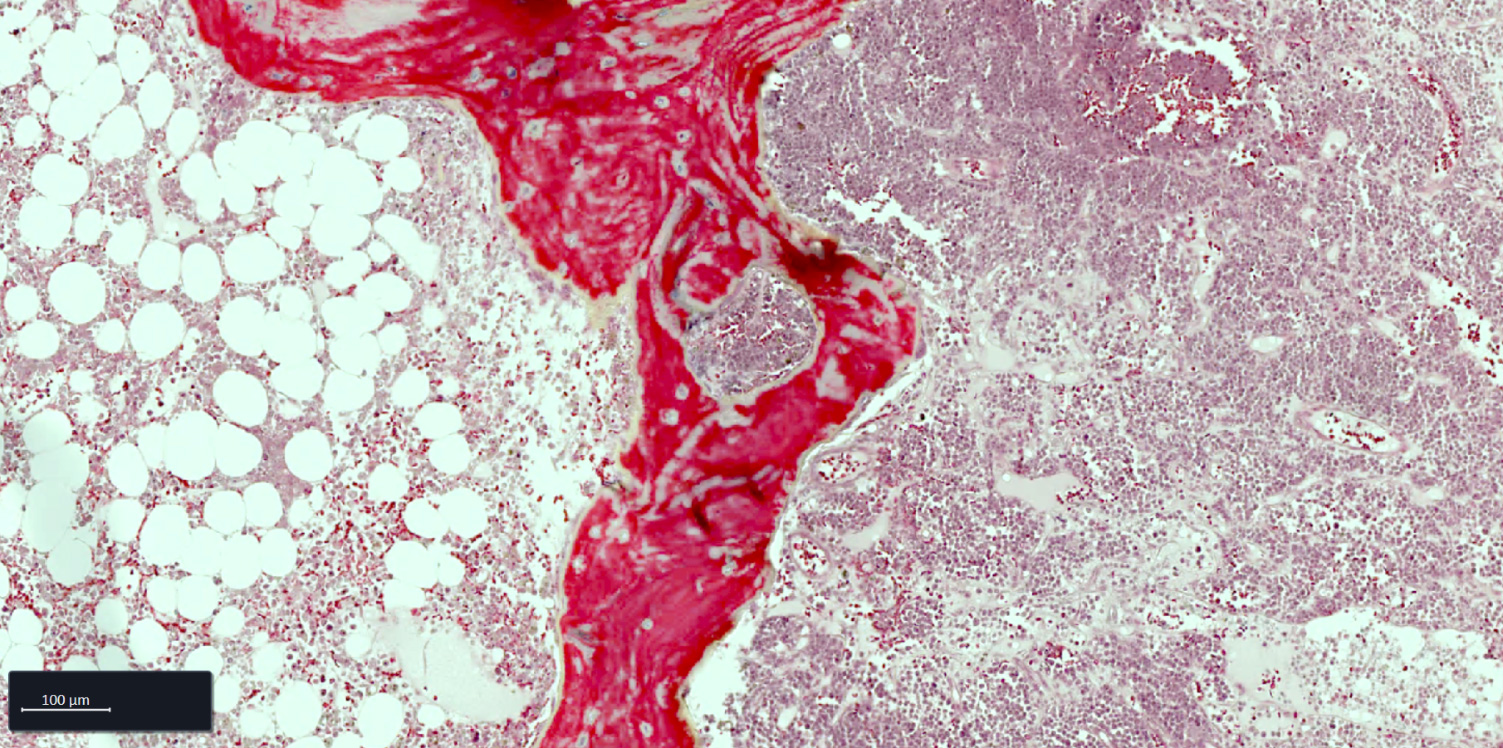
Movat staining
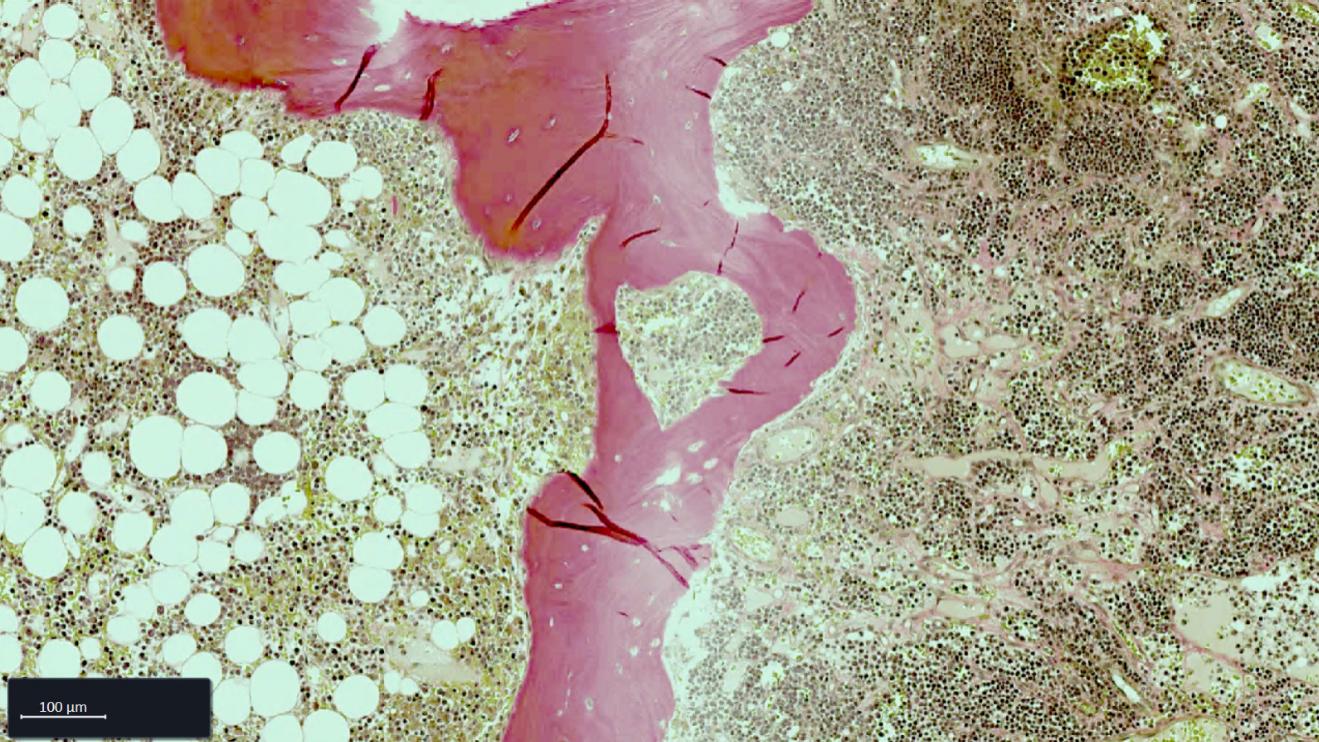
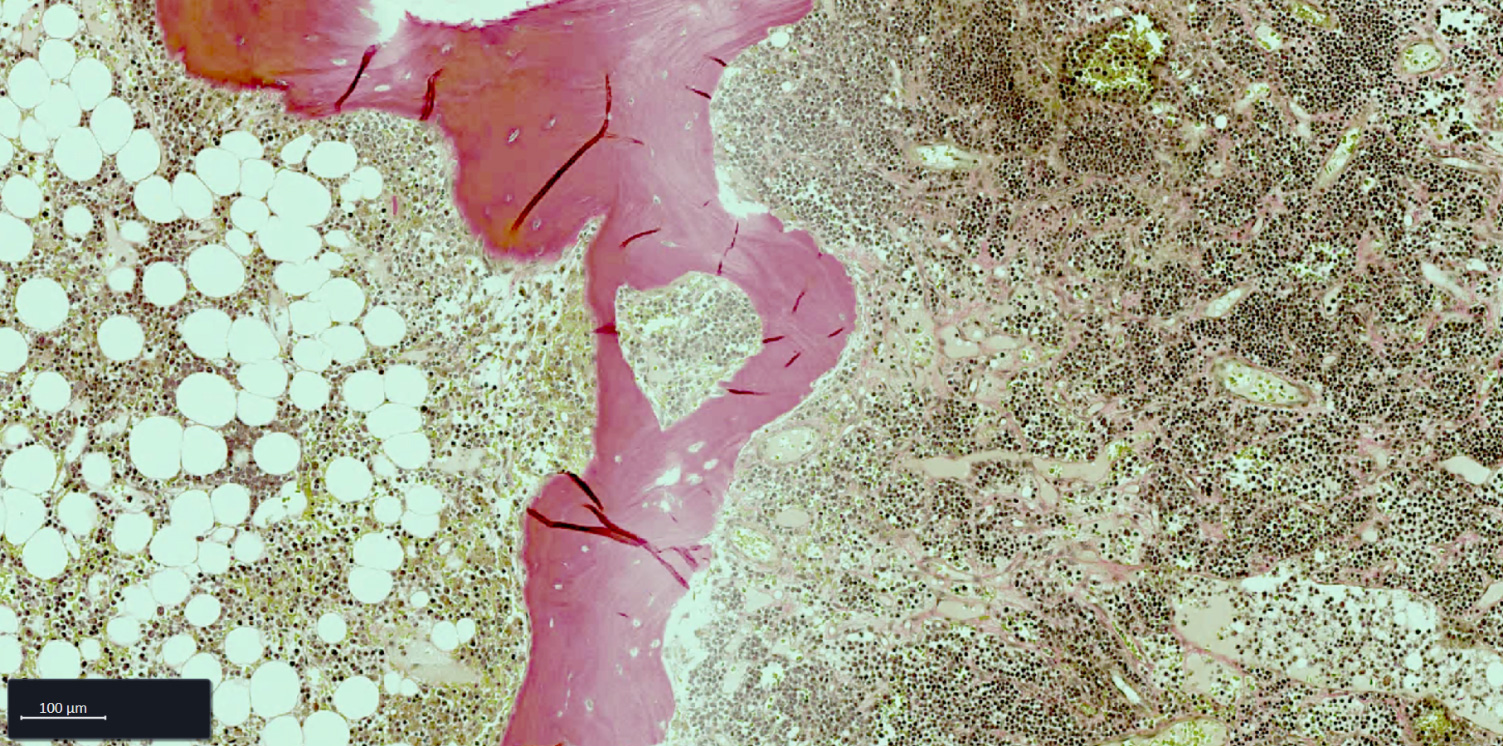
Weigert-Van Gieson (WvG) staining
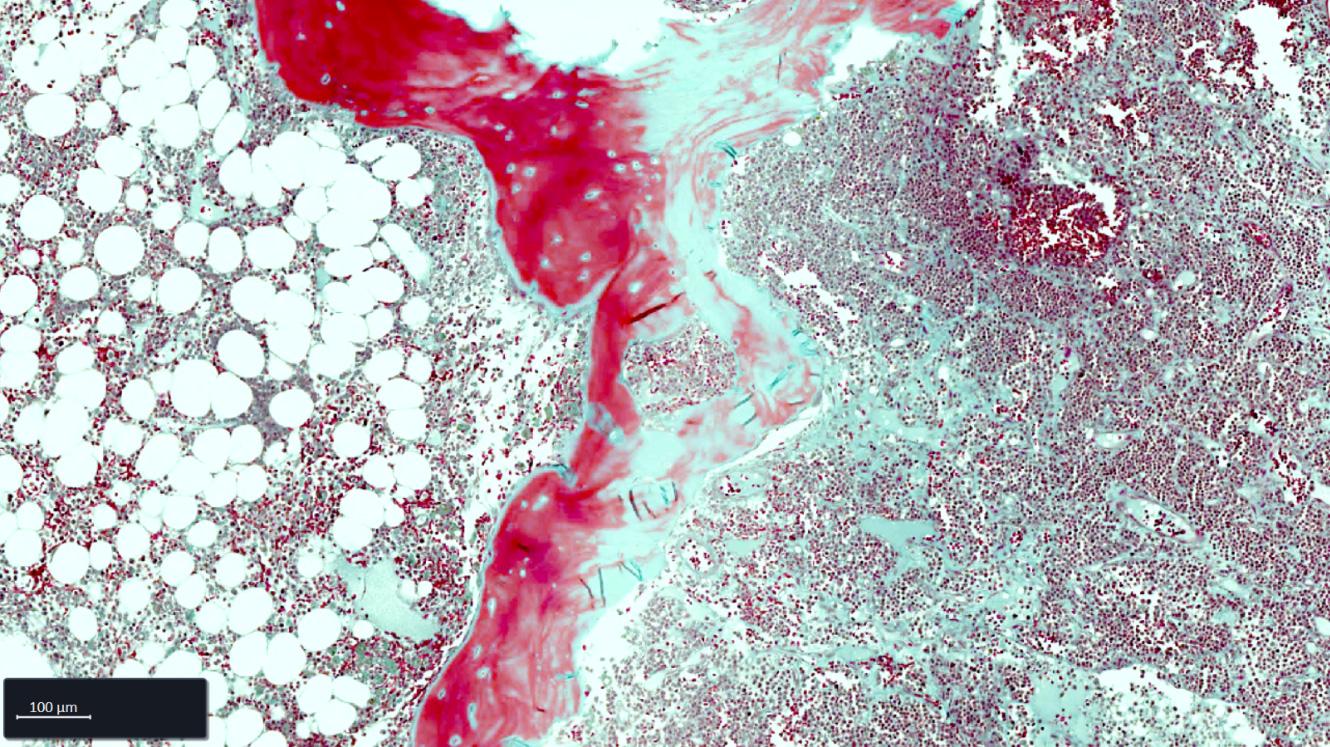
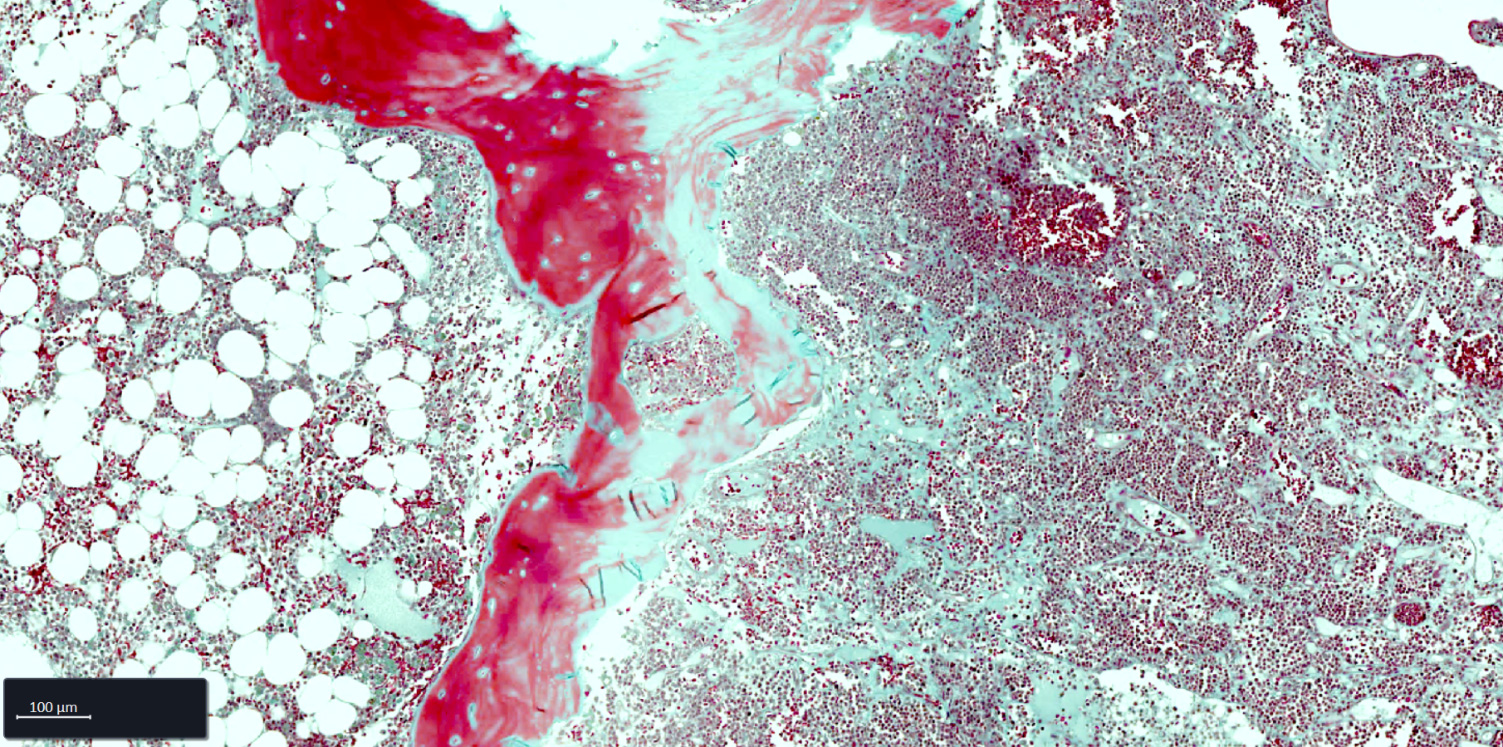
Goldner staining
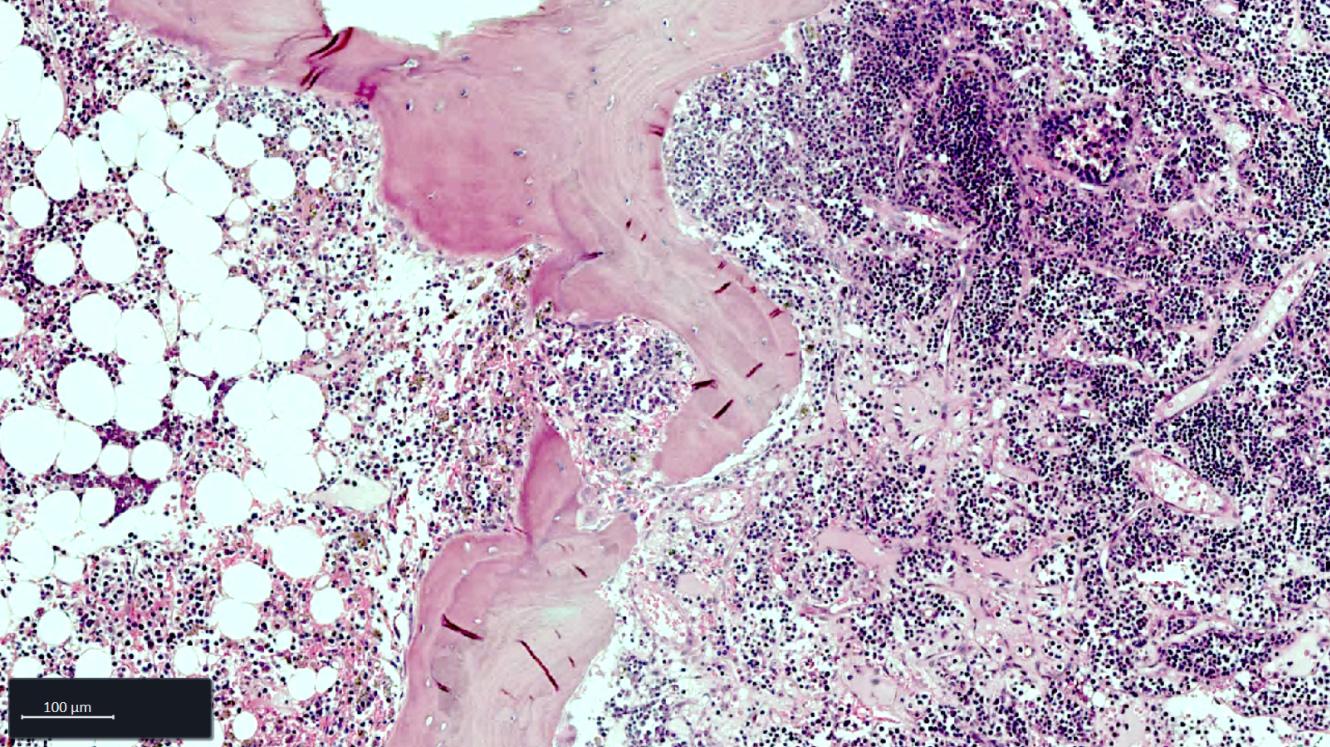
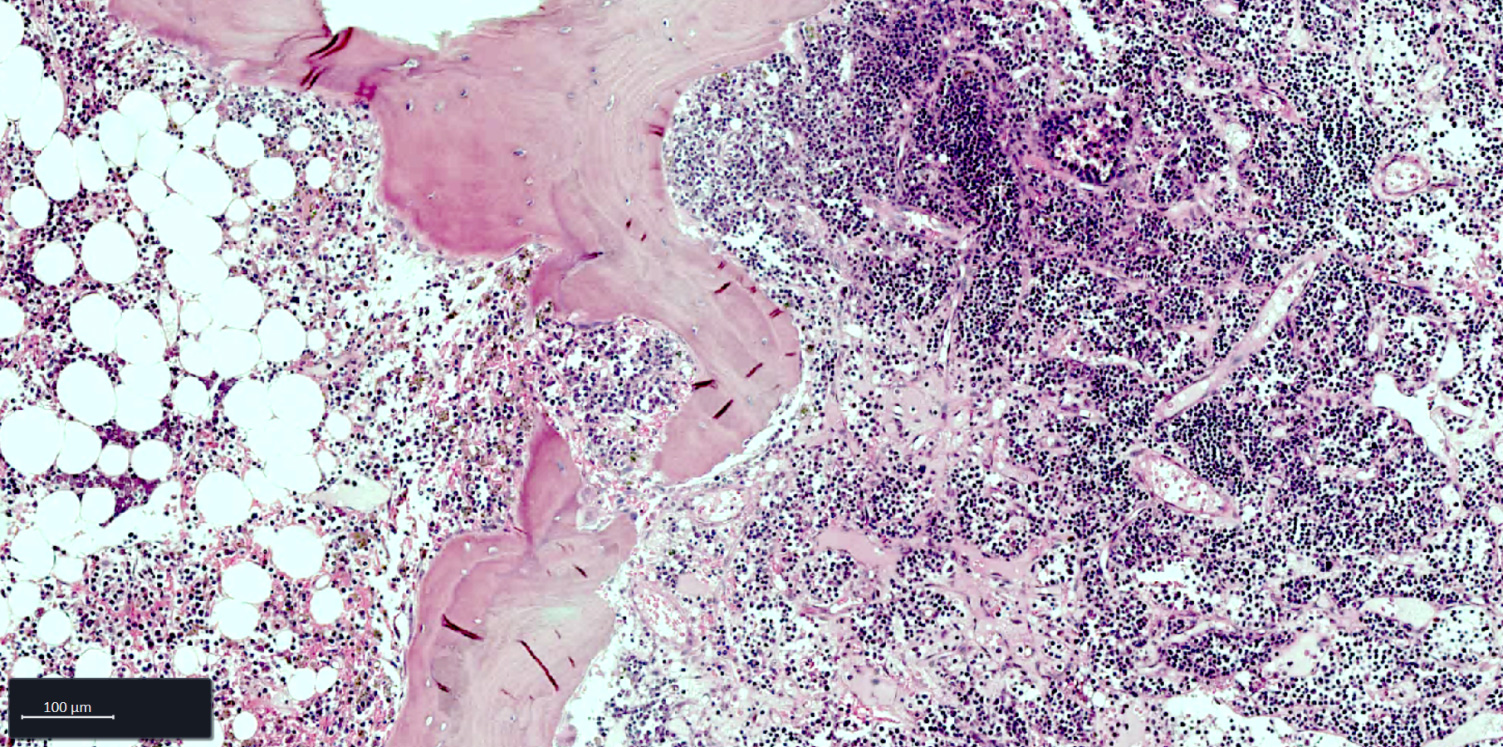
Hematoxylin and Eosin (H&E) staining
-
Thin Section Slide Scanning for Digitization of Petrography Data
Embrace digitalization with Axioscan 7 and you will not only create high-quality digitized petrography data efficiently. You’ll also gain the advantage of easy data sharing and seamless integration into your geological workflows. With AI-integrated analysis and remote collaboration capabilities, Axioscan 7 empowers geologists and researchers to work together seamlessly from anywhere in the world. Maximize the benefits of modern technology in quantitative petrography and automated analytics.
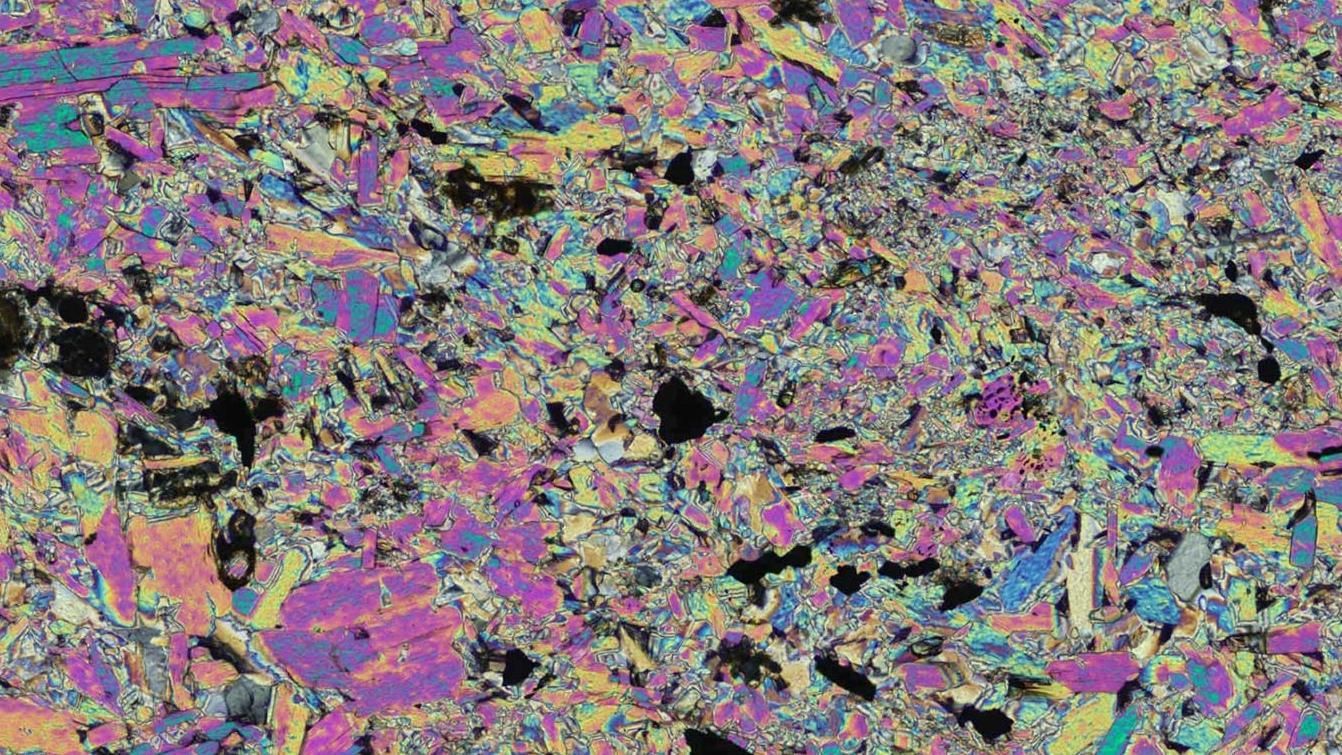
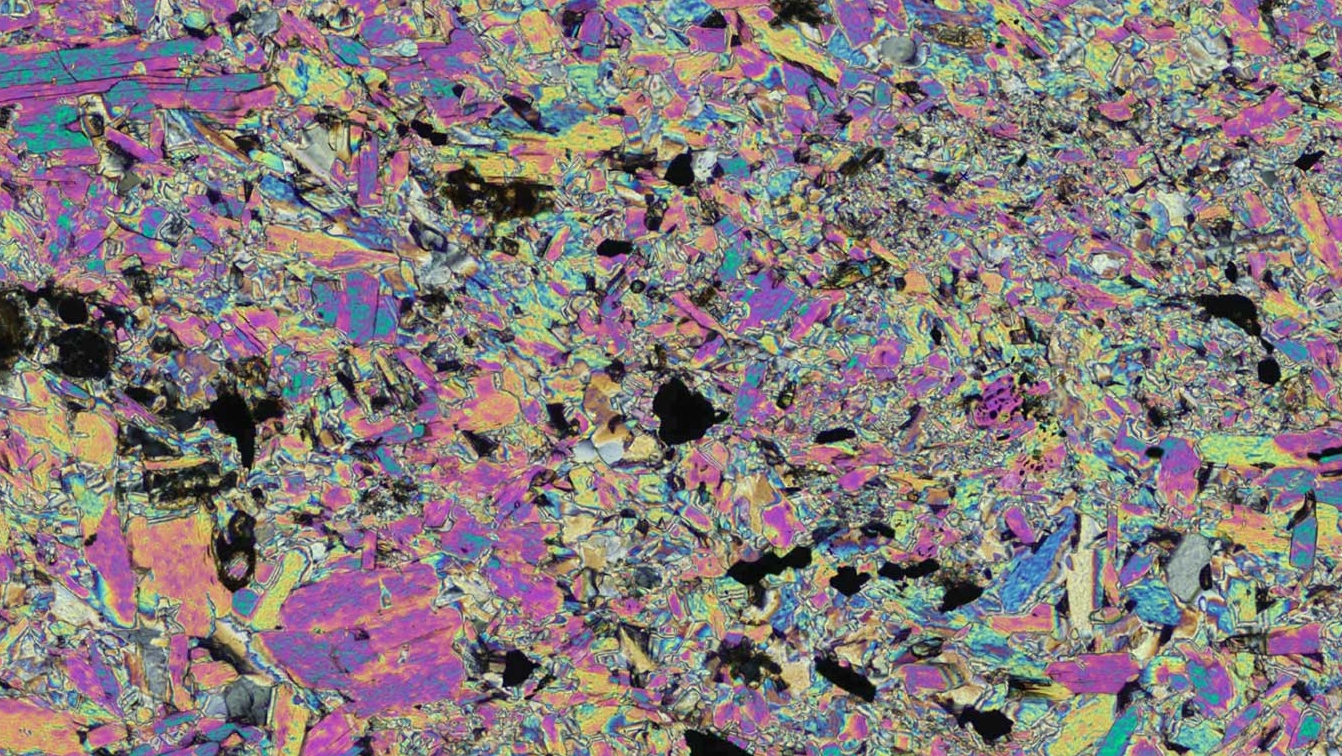
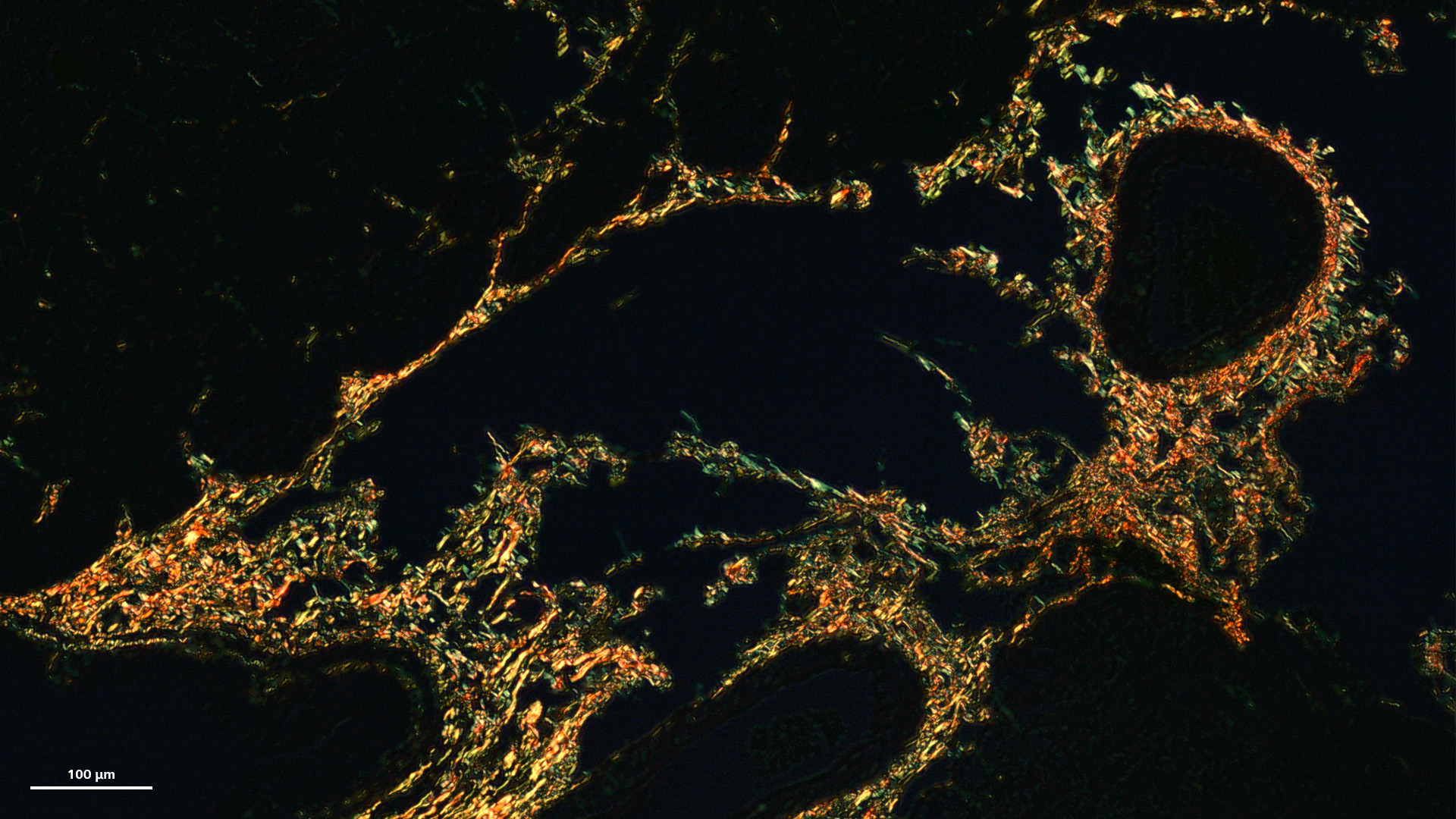
Circular Polarization
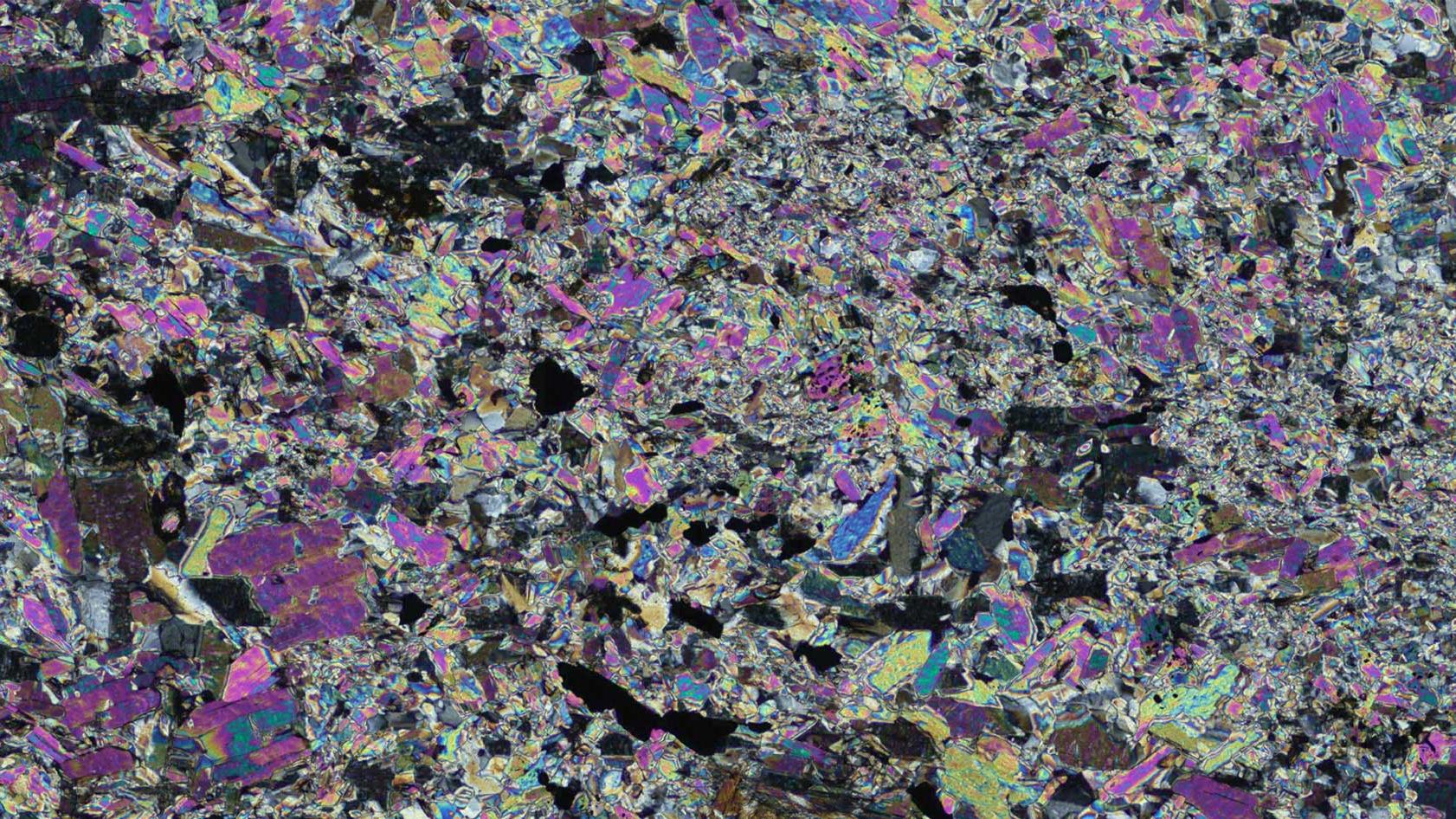
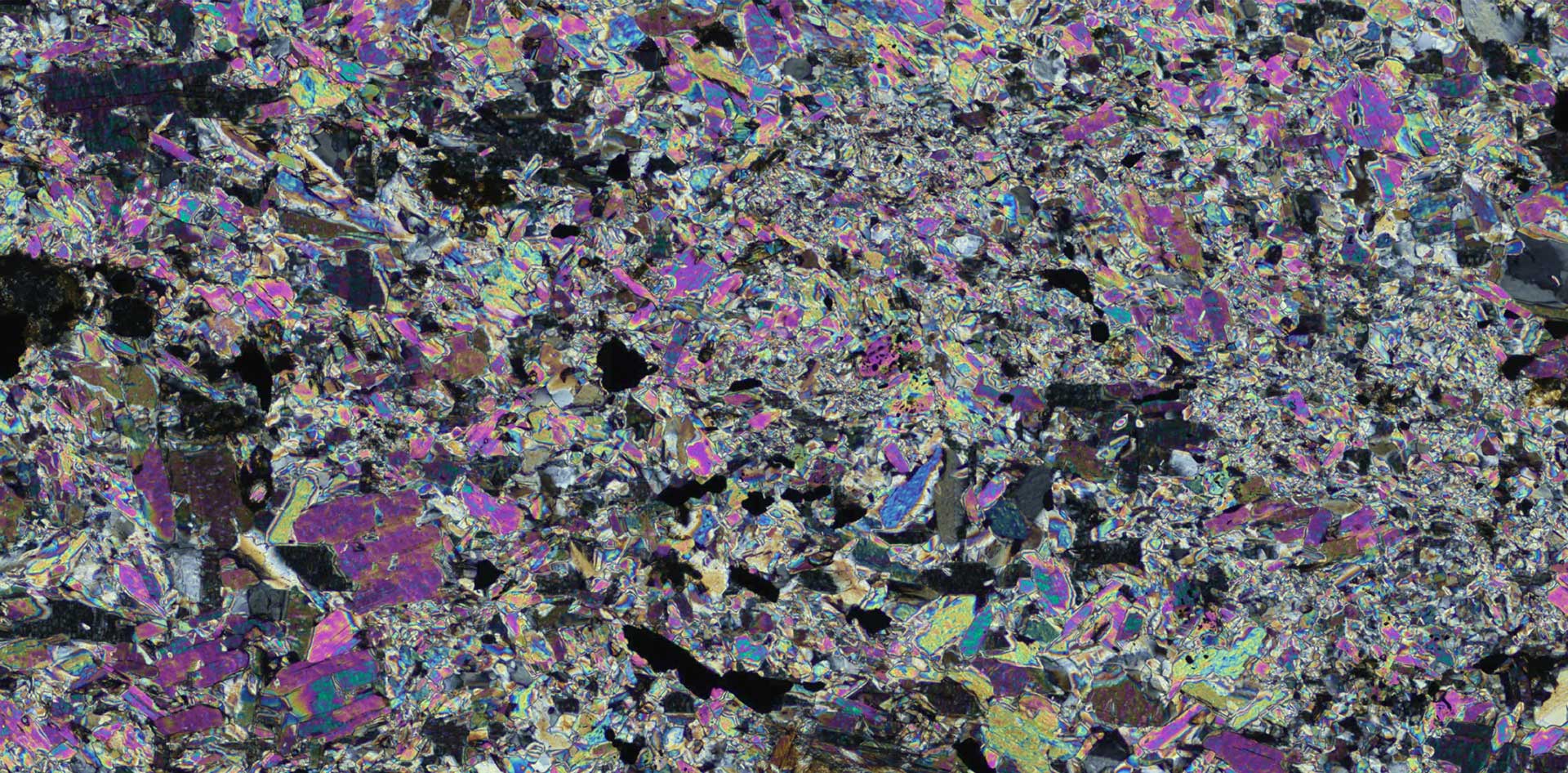
Cross Polarized Light (XPL)
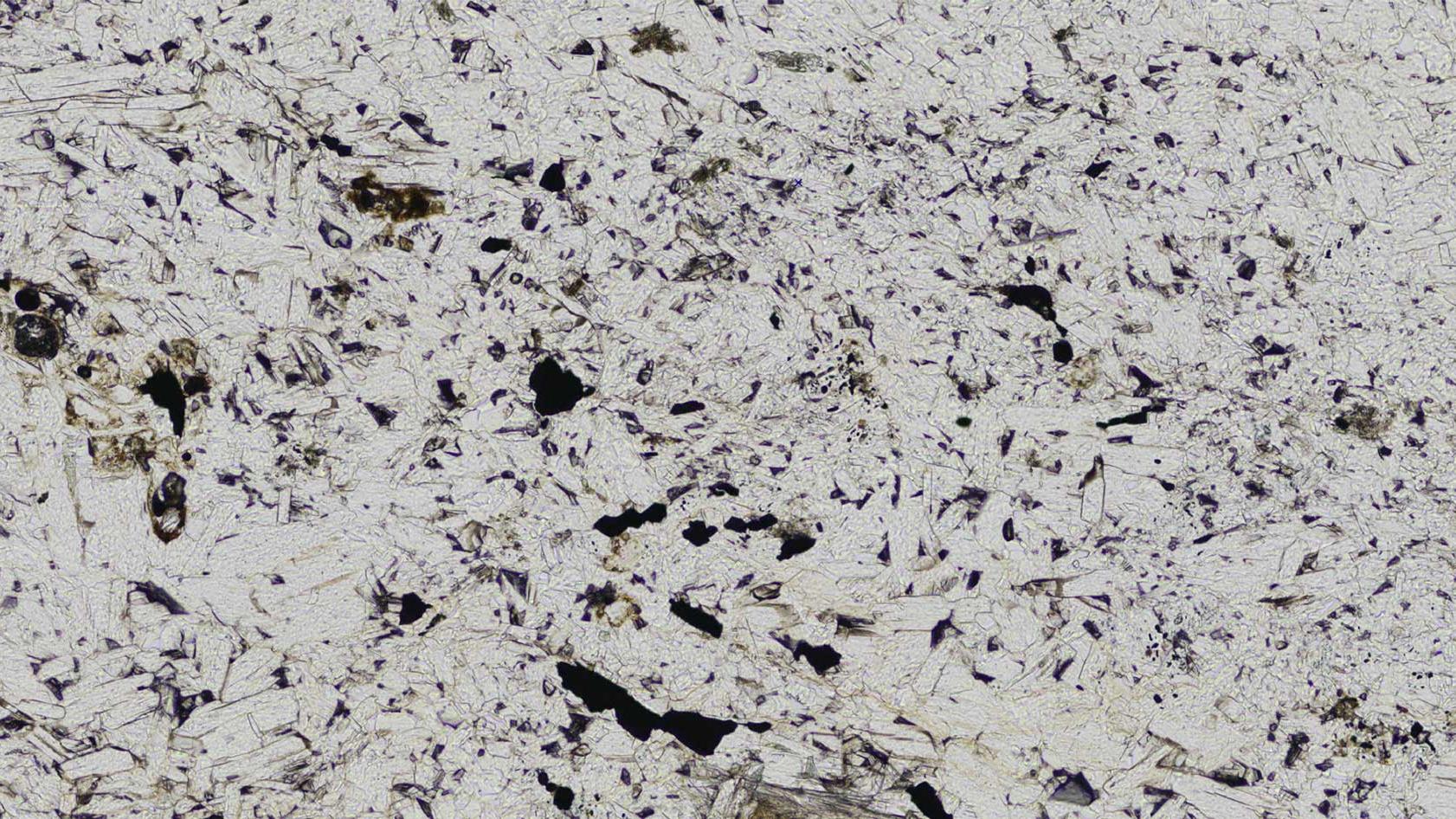
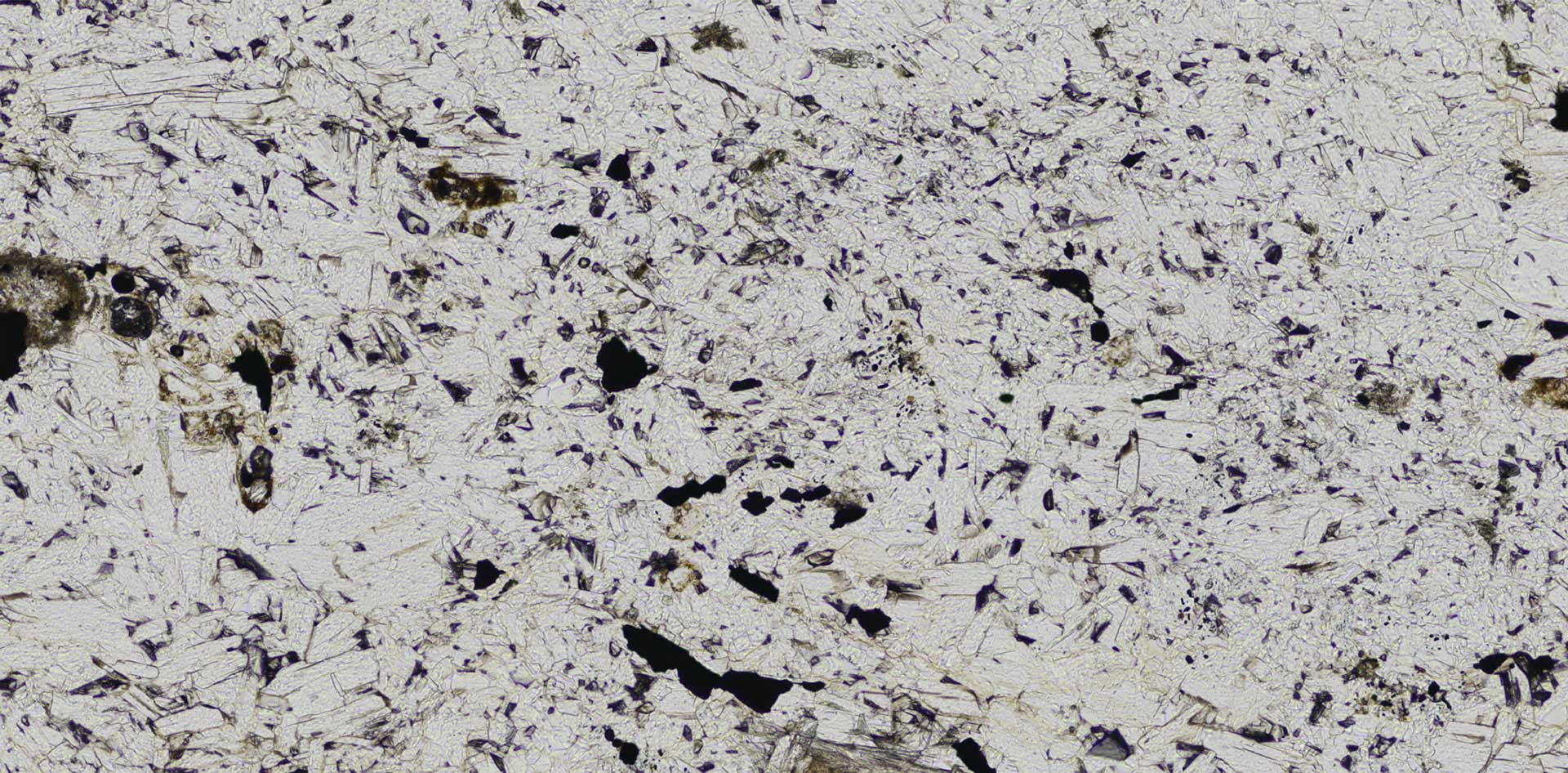
Plane Polarized Light (PPL)
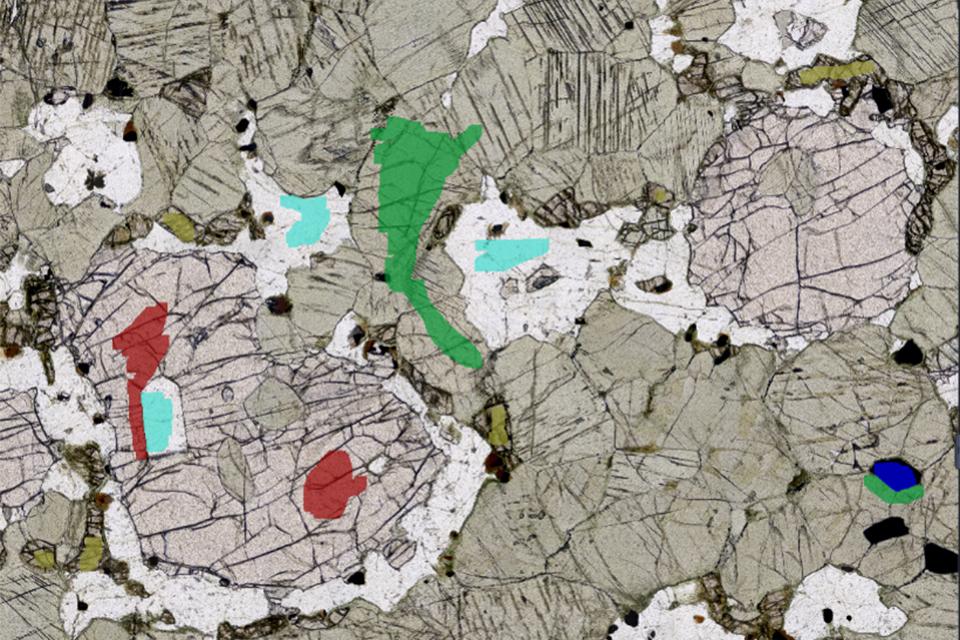
Mineral Phase Analysis
Combine ZEISS Axioscan 7 with ZEISS AI-based segmentation to enable automated analysis across large numbers of samples. Easy machine learning segmentation lets you label each mineral phase of interest, using an intuitive painting interface while the software builds a model of the mineralogy across your entire sample.
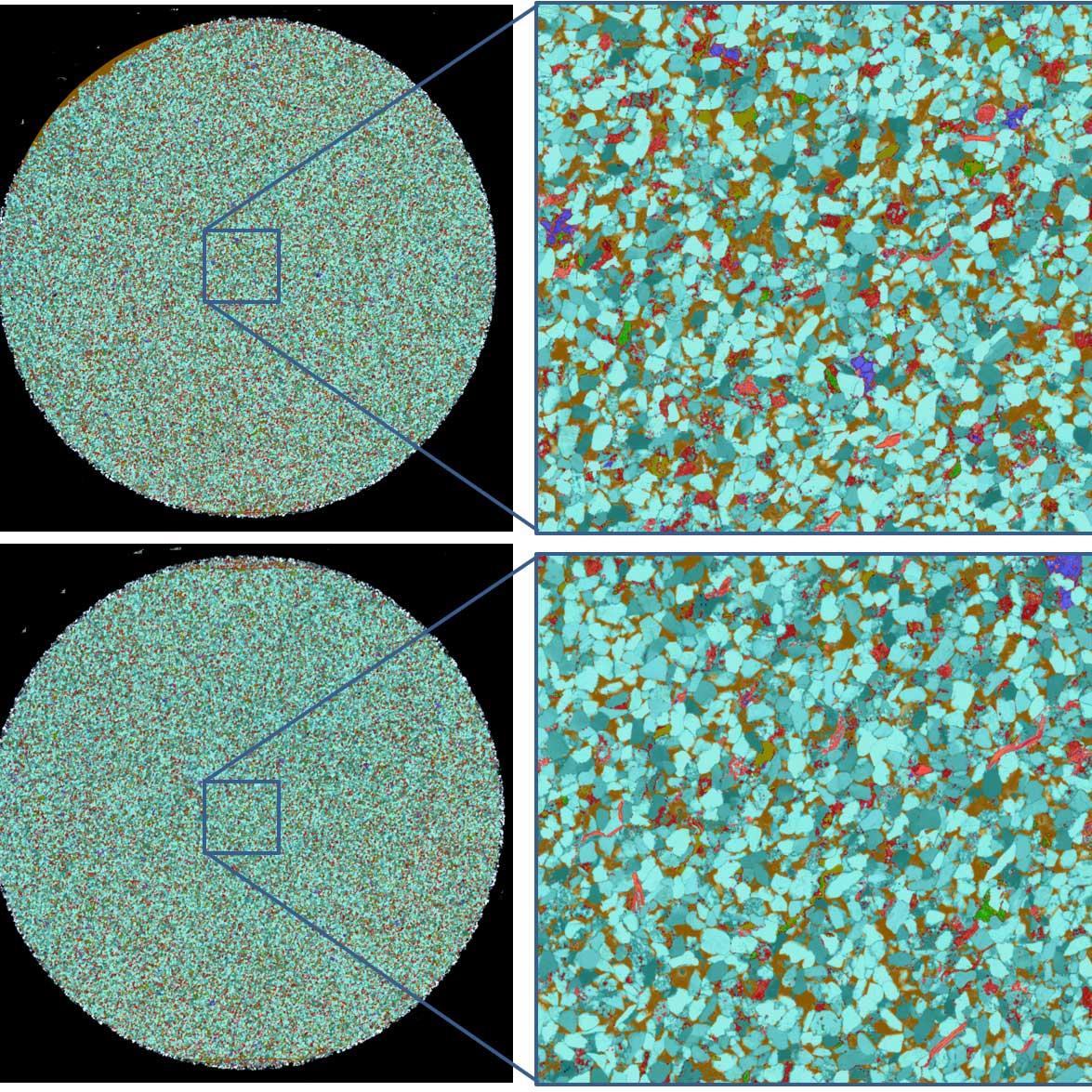
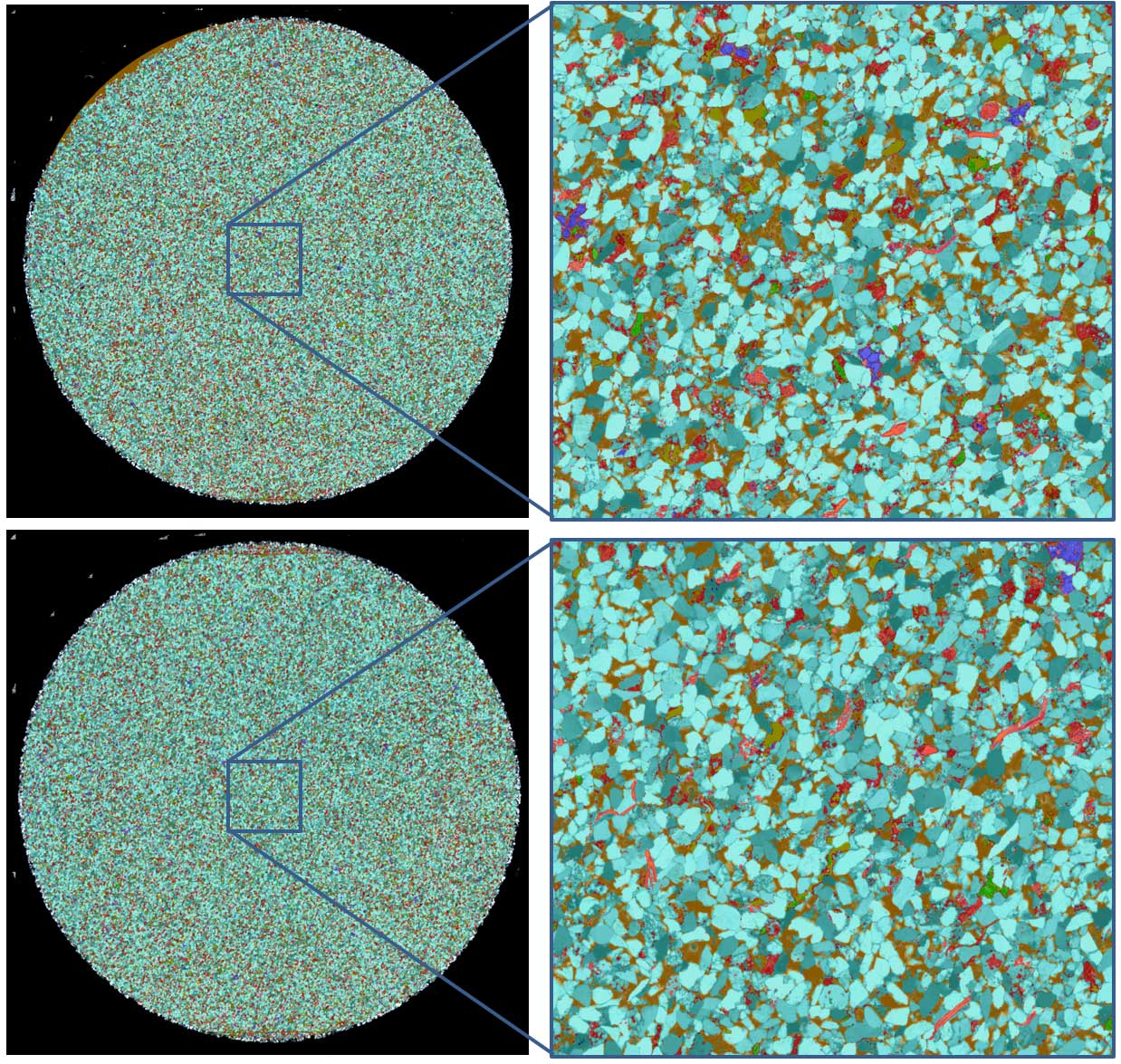
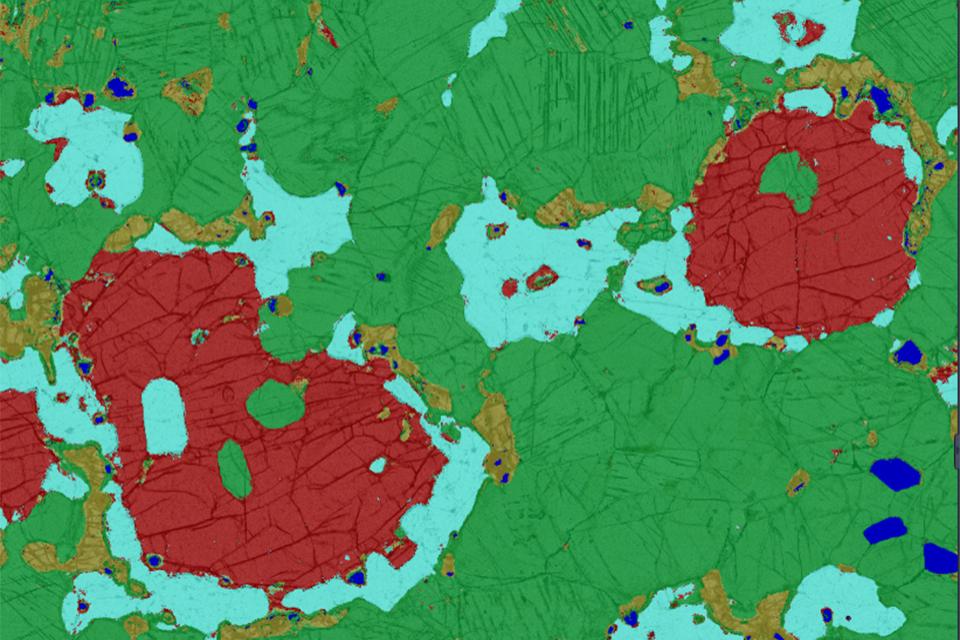
AI-Based Mineral Classification
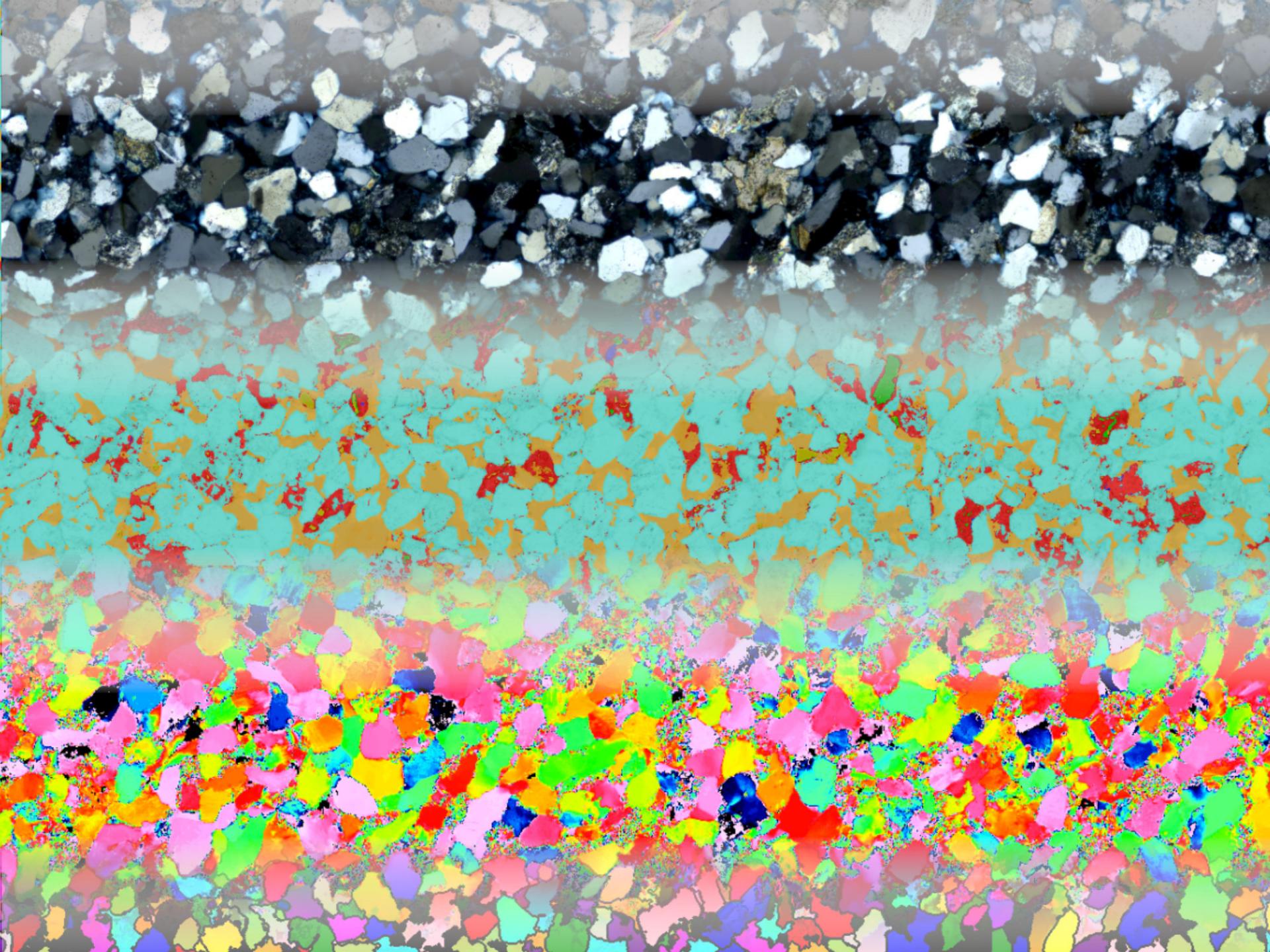
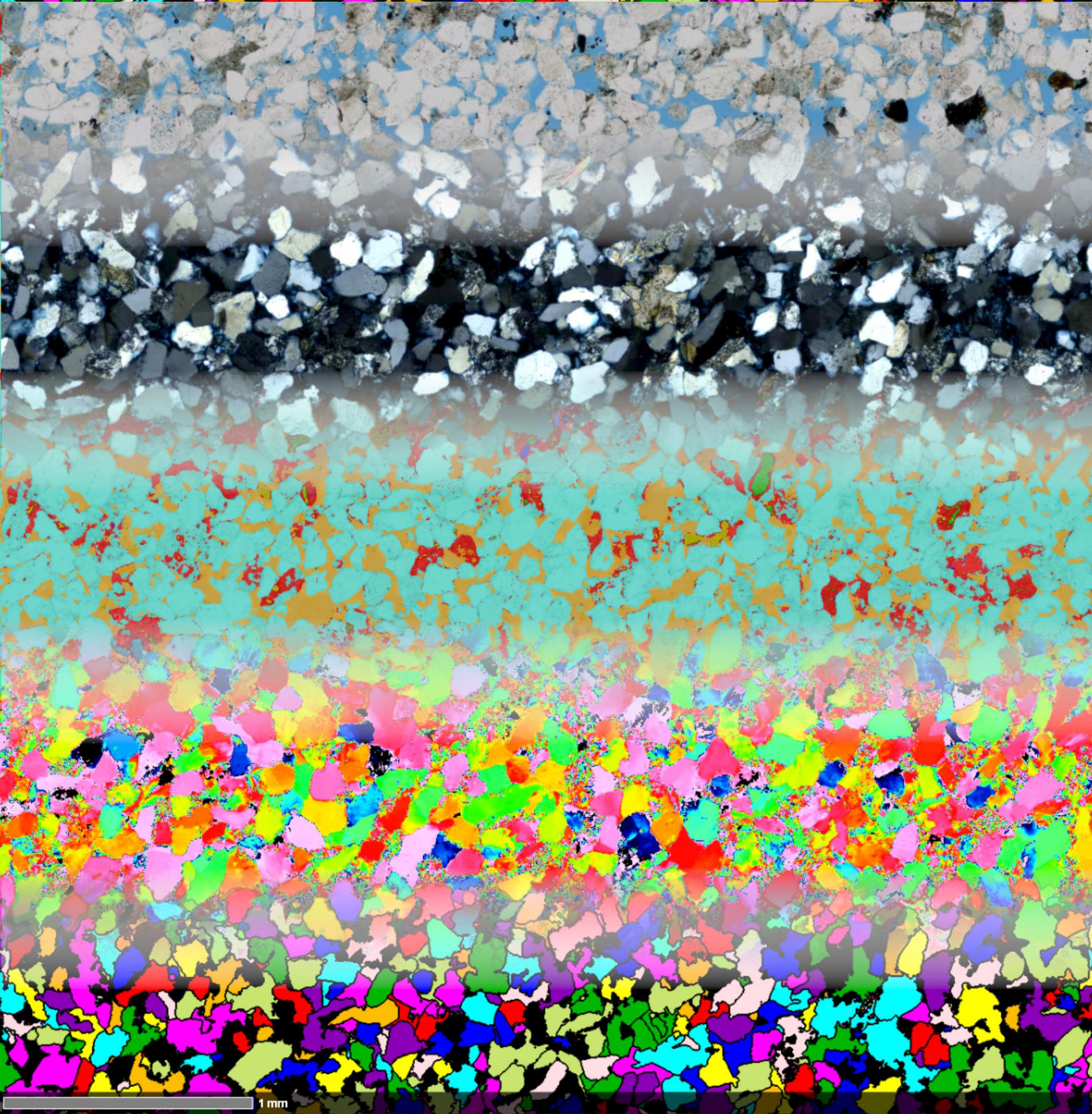
Automated machine learning-based mineral classification uses a single ZEN Intellesis model, applied here on two sandstone samples.
Both modal mineralogy and pore / grain sizes can be measured and automatically reported.
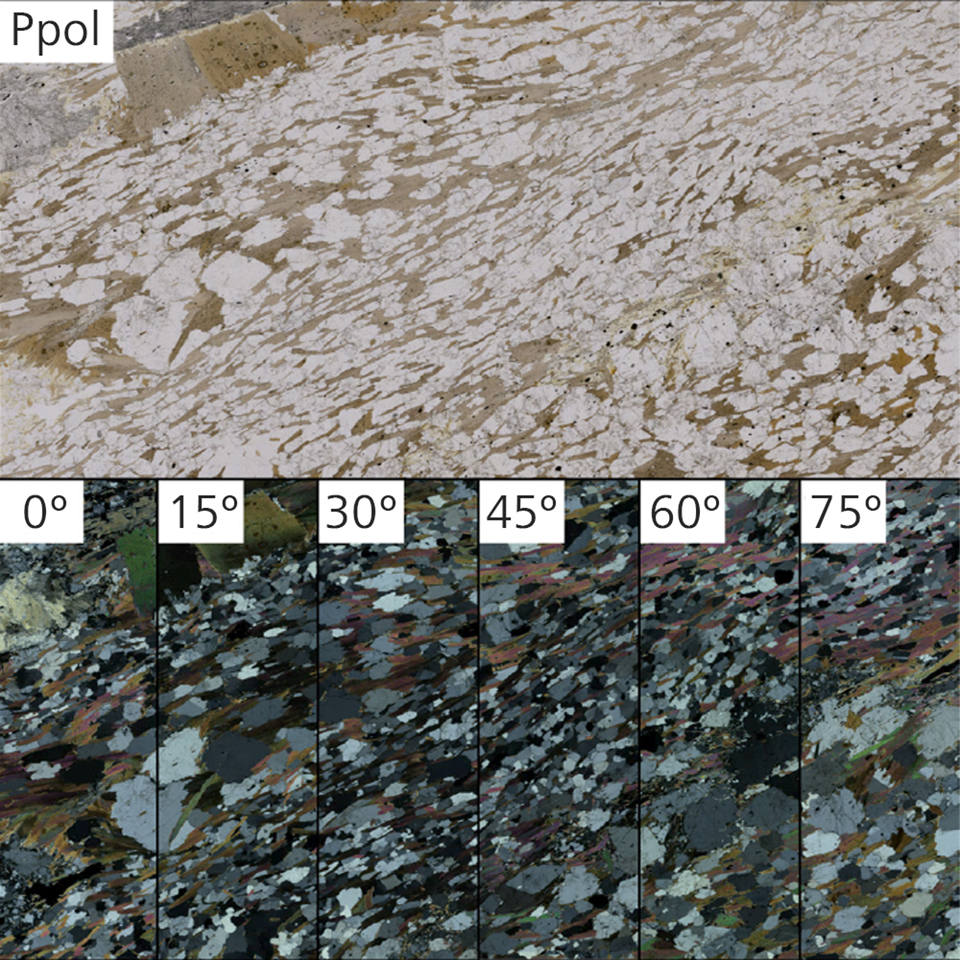
PPL-to-XPL
Full thin-section polarization images. This kyanite-bearing schist has been imaged as part of a digital thin section collection. The upper image shows a single PPL orientation while the lower view shows the capture of the thin section in multiple XPL orientations. This lets a simulated stage rotation observe and analyze extinction angles with the full XPL variation over 90°.
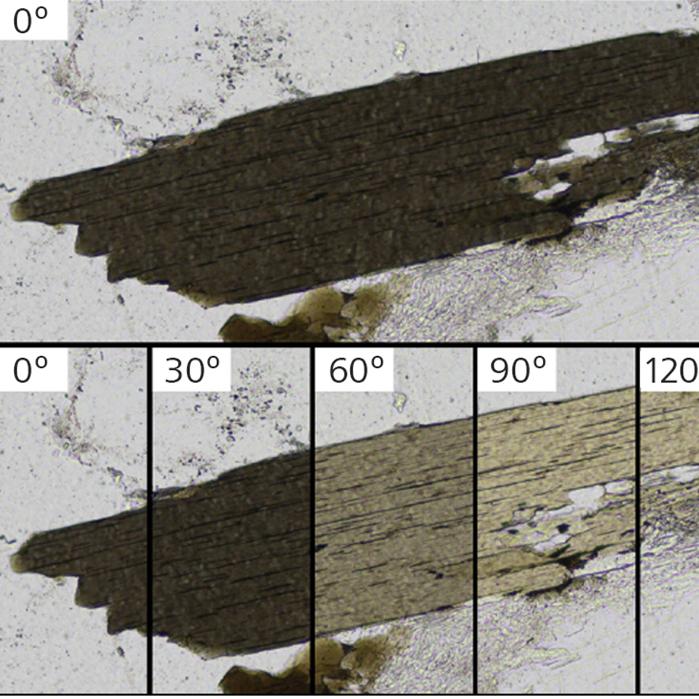
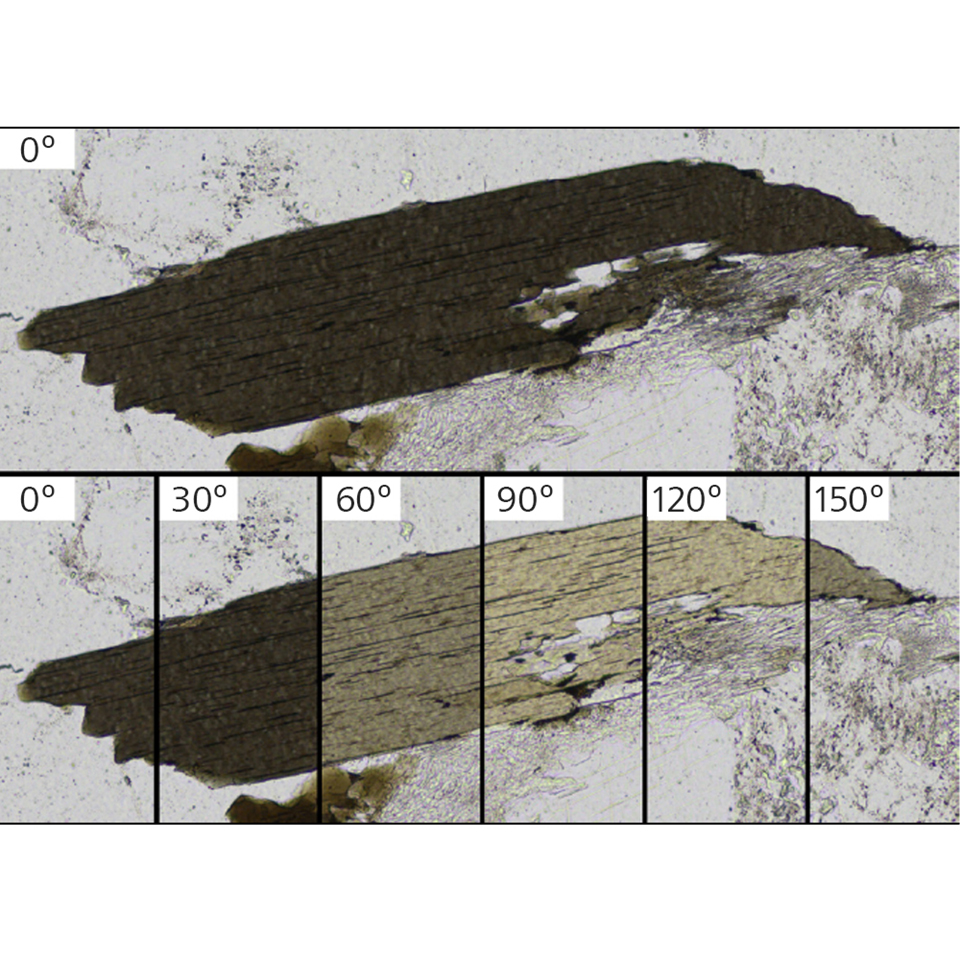
PPL-to-Pleochroism
Close up of a single biotite grain within a granite sample. Sample has been imaged in multiple PPL orientations in order to observe the full range of pleochroism as the sample is rotated through 180° relative to the polarizer.
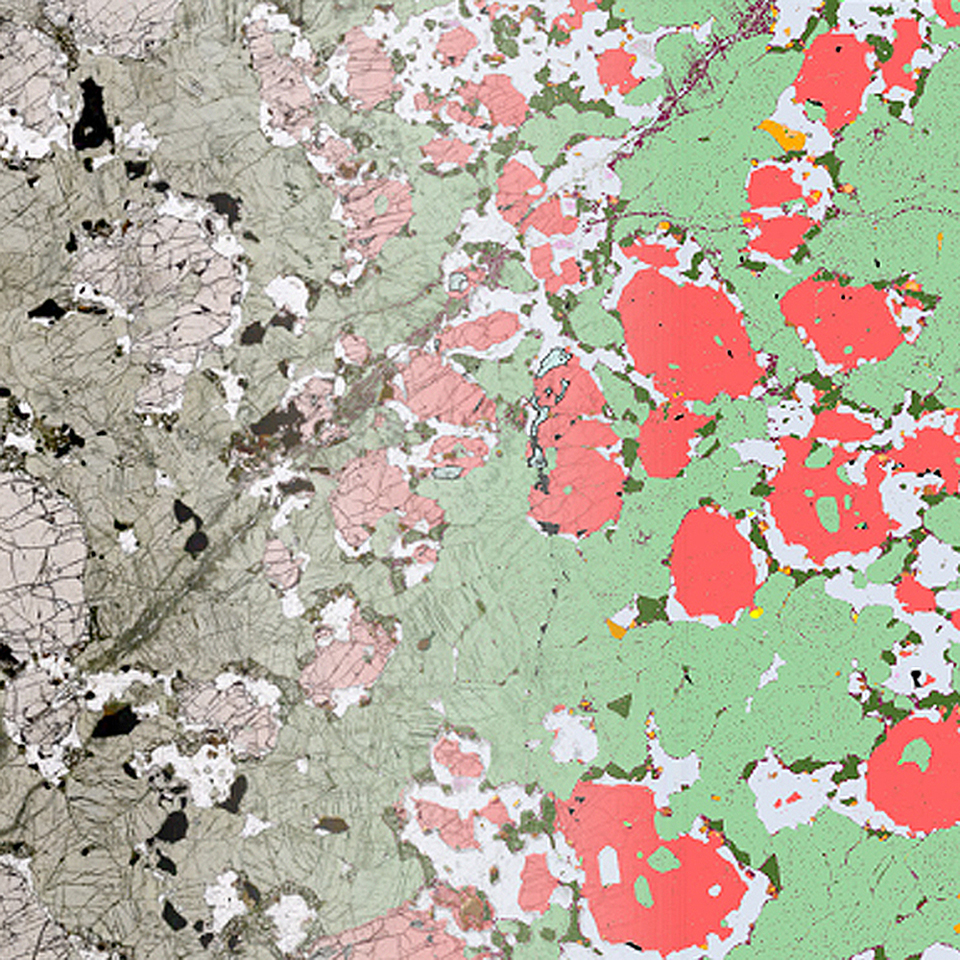
Correlative Microscopy
Use ZEN Connect to build intuitive correlative projects that start with the data-rich light microscopy environment from ZEISS Axioscan 7 geology. Here additional phase and geochemical information from ZEISS Mineralogic becomes the next step in a petrological investigation. The sample shown here is a granulite facies metagabbro from near Scourie more, Northwest Scotland.
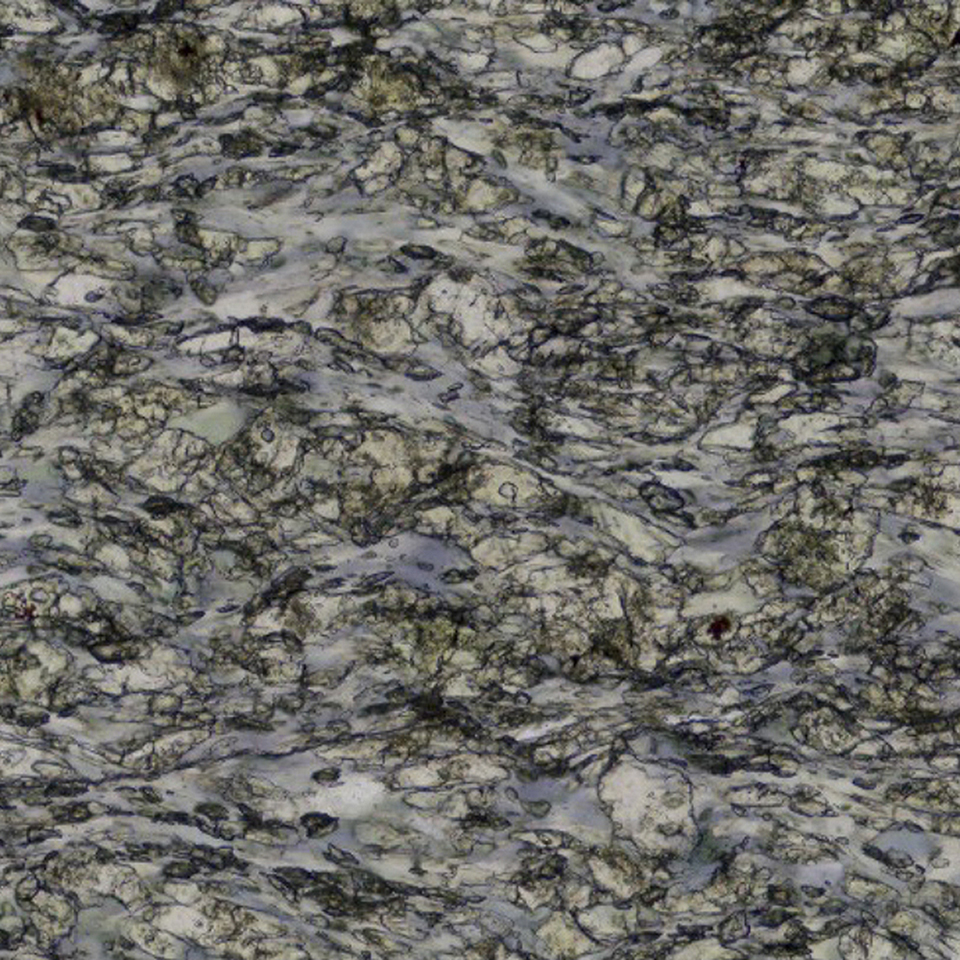
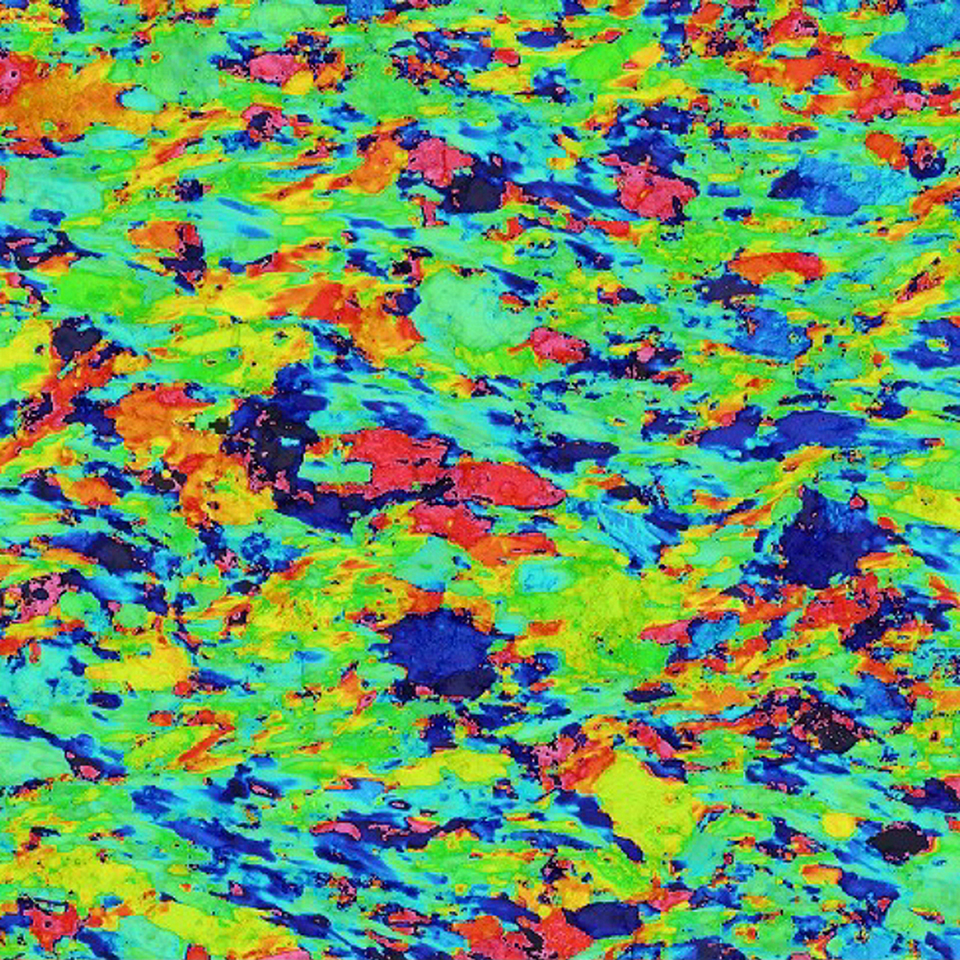
Mineral Orientation Analysis
The optional PetPAT orientation analysis package turns entire thin sections into powerful mineral orientation maps. Use these datasets in conjunction with mineral segmentation for detailed studies and also to generate grain size distribution data.
- Use XPL image stacks to calculate the angle at which any given pixel is at maximum or minimum luminance.
- Then use these data to allow the entire thin section to be mapped for orientation of mineral grains in transmitted light.


FAQs for ZEISS in Neuroscience
-
Yes, ZEISS provides various case studies and application notes that showcase the use of their microscopy systems in neuroscience. Examples include:
- Imaging Synaptic Structures: Using confocal microscopy to study synaptic connections and plasticity.
- Neurodegenerative Disease Research: Employing two-photon microscopy to observe changes in neuronal behavior in live animal models.
- Brain Mapping: Utilizing advanced imaging techniques to visualize brain connectivity and function.
-
ZEISS microscopy solutions enhance neuroscience research by providing:
- High Resolution: Advanced optics and imaging technologies allow for detailed visualization of neuronal structures and processes.
- Live Imaging: Many systems are designed for live-cell imaging, enabling the observation of dynamic processes in real-time.
- Multimodal Imaging: The ability to combine different imaging modalities (e.g., fluorescence and electron microscopy) allows for comprehensive analysis of samples.
These features facilitate a deeper understanding of neural mechanisms and contribute to advancements in neuroscience.
-
ZEISS offers a variety of microscopy techniques tailored for neuroscience research, including:
- Confocal Microscopy: Ideal for imaging thick samples and obtaining high-resolution images of cellular structures.
- Two-Photon Microscopy: Particularly useful for imaging living tissues at greater depths, minimizing photodamage.
- Electron Microscopy: Provides ultra-high resolution for detailed visualization of neuronal structures.
These techniques enable researchers to explore complex neural networks and cellular interactions in detail.