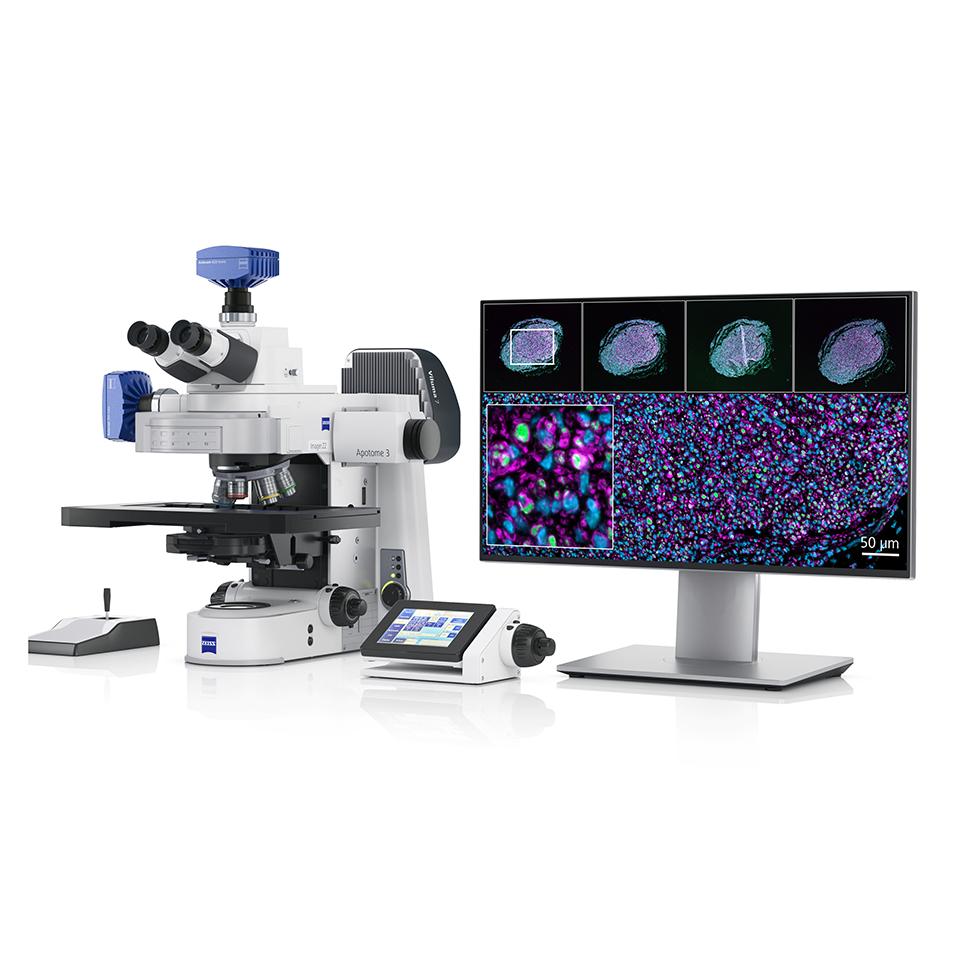
ZEISS Axio Imager scan

ZEISS Axio Imager scan​

Automated acquisition and advanced data analyses for high-throughput screening applications​

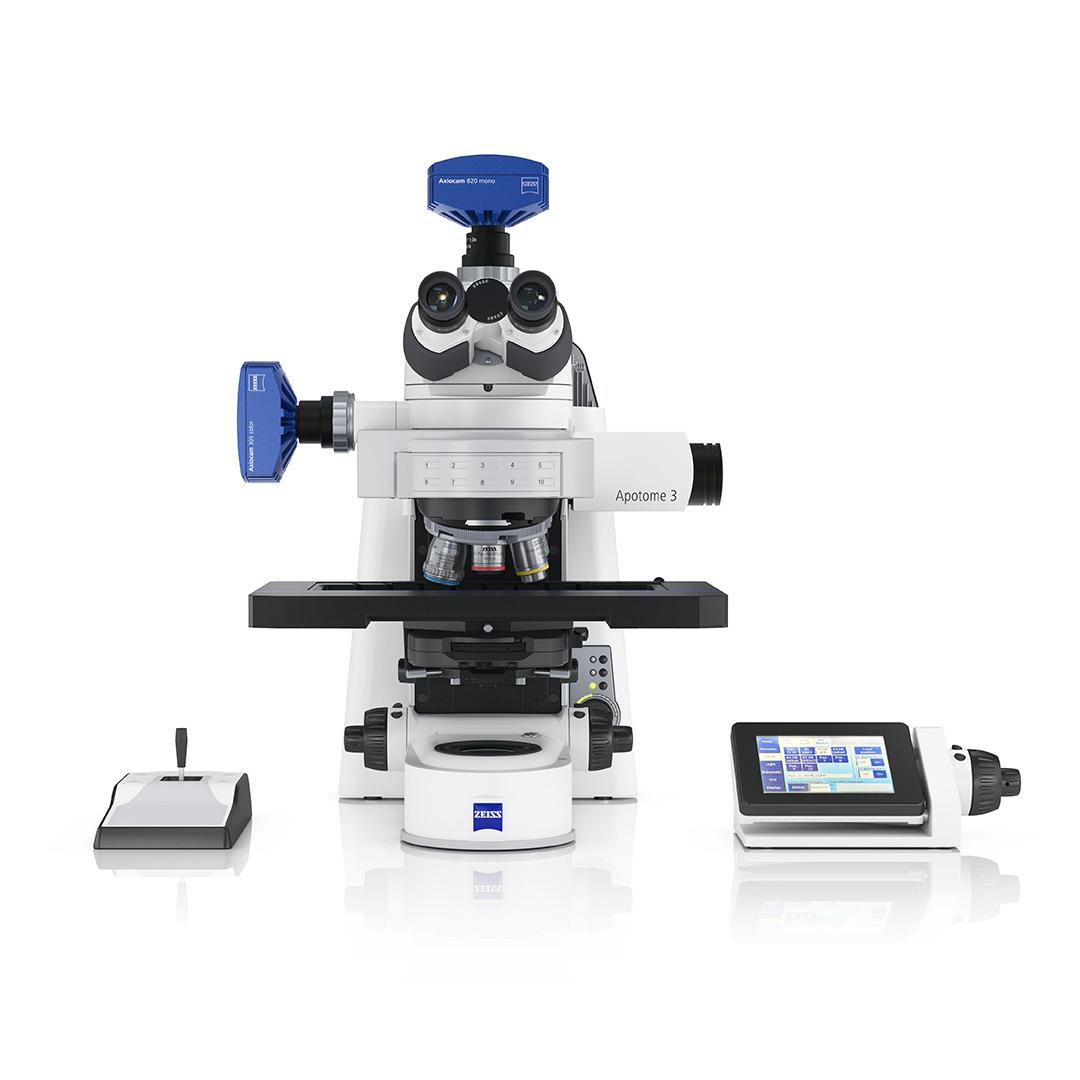
Equip yourself with automated imaging acquisition tools and AI-powered software analyses to break through previous experimental barriers that come with manual imaging and analysis workflows. ZEISS Axio Imager scan was designed to increase the efficiency of your large-scale data collection workflows. Selected hardware and software components create a streamlined process from acquisition to evaluation of relevant data for your research needs.

  • Automatic multi-color imaging of large tissue sections
  • High-throughput imaging of slides
  • Drug screenings or genetic screens

Bundle components​

  • Microscope

    • Axio Imager 2 (upright widefield microscope stand)​
    • Scanning stage 130 × 100​
    • Motorized condenser NA 0.9
    • Apotome 3

    Light source / camera

    • Viluma 7
    • Filter sets 38, 43, 50, 70, 96​
    • Axiocam 305 color
    • Axiocam 820 mono

    Objectives

    • EC Plan-Neofluar 5× / 0.16​
    • Plan-Apochromat 10× / 0.45 , 20× / 0.8​
    • LD LCI PApo 40× / 0.95 Corr

    Workstation

    • Z8 Workstation with 128 GB RAM and nVidia Quadro RTX A4000 16 GB DP
  • Motorized Acquisition​

    Acquire images and control motorized components in multi-dimensional experiments.​

    Smart Acquisition​

    Create flexible and intelligent image acquisitions workflows with the Experiment Designer, Guided Acquisition and Experiment Feedback tools.​

    2D Toolkit​

    Create flexible automatic measurement programs for the analysis of your 2D images.​

    AI Toolkit​

    Make use of powerful AI tools. With this package, you can train AI models for various applications.​

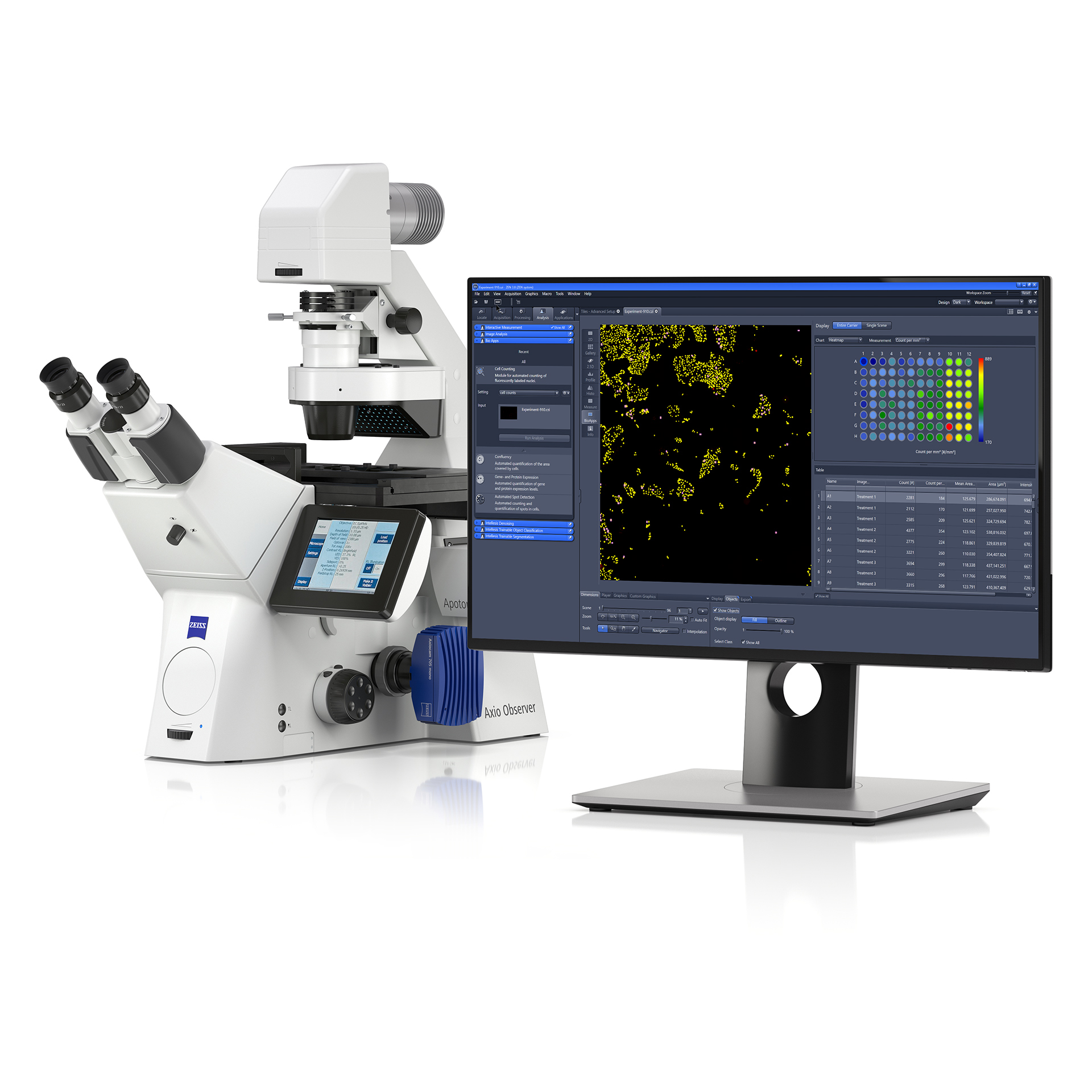
ZEISS Axio Observer scan

Looking for an inverted microscope configuration?​

This widefield bundle for screening applications can also be configured based on the inverted microscope ZEISS Axio Observer 7.

Example applications

  • Human tonsil tissue stained with anti-CD68 antibody (FastRed, red) to identify macrophages and hematoxylin counterstain
  • Tissue microarray of 13 tissue stamps was screened using the following set of markers for tumor analysis: panCK (FITC), CD3 (TRITC), PD-L1 (Cy5), CD68 (Cy7), and DNA (DAPI).
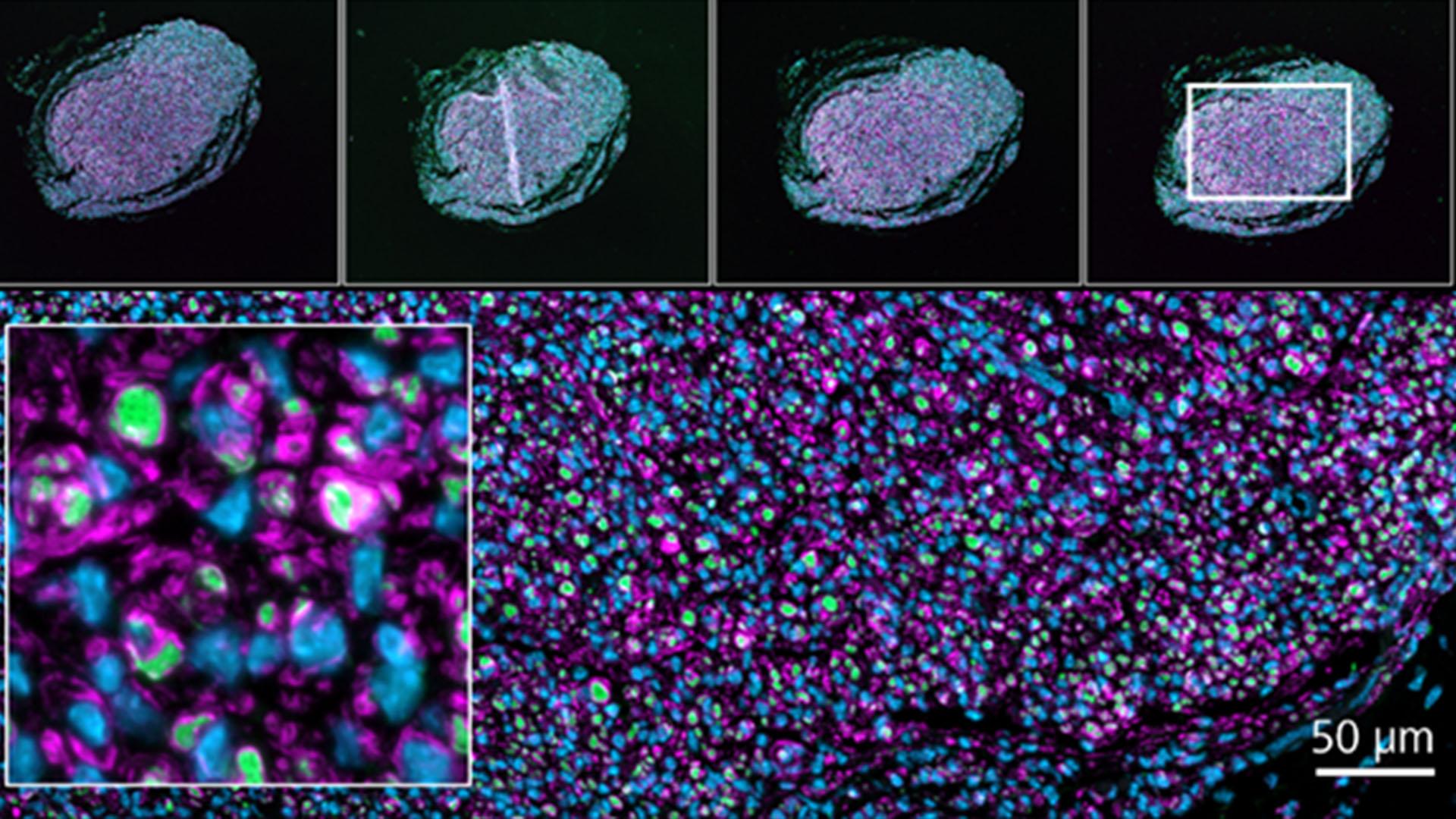
  • Mouse tissue section of sciatic nerves labeled for axons (green) and Schwann cells (magenta), nuclei with DAPI (blue).
  • Human tonsil tissue stained with anti-CD68 antibody (FastRed, red) to identify macrophages and hematoxylin counterstain

    Human tonsil tissue stained with anti-CD68 antibody (FastRed, red) to identify macrophages and hematoxylin counterstain.

  • Tissue microarray of 13 tissue stamps was screened using the following set of markers for tumor analysis: panCK (FITC), CD3 (TRITC), PD-L1 (Cy5), CD68 (Cy7), and DNA (DAPI).

    Tissue microarray of 13 tissue stamps was screened using the following set of markers for tumor analysis: panCK (FITC), CD3 (TRITC), PD-L1 (Cy5), CD68 (Cy7), and DNA (DAPI).

  • Mouse tissue section of sciatic nerves labeled for axons (green) and Schwann cells (magenta), nuclei with DAPI (blue).
    Morrison Lab, Leibniz Institute on Aging – Fritz Lipmann Institue (FLI), Jena, Germany.

    Mouse tissue section of sciatic nerves labeled for axons (green) and Schwann cells (magenta), nuclei with DAPI (blue). Nerve regeneration was evaluated in a disease model of neurofibromatosis type 2 (NF2).

Downloads

  • ZEISS Microscope Bundle for Screening Applications

    Fast acquisition and evaluation of large areas

    425 KB


Visit the ZEISS Download Center for available translations and further manuals.

Contact ZEISS Microscopy

Contact

Form is loading...

/ 4
Next Step:
  • Step 1
  • Step 2
  • Step 3
Contact us
Required Information
Optional Information

If you want to have more information on data processing at ZEISS please refer to our data privacy notice.