
Microscopic investigation of soil in forensics
Understanding the role of soil in forensic science
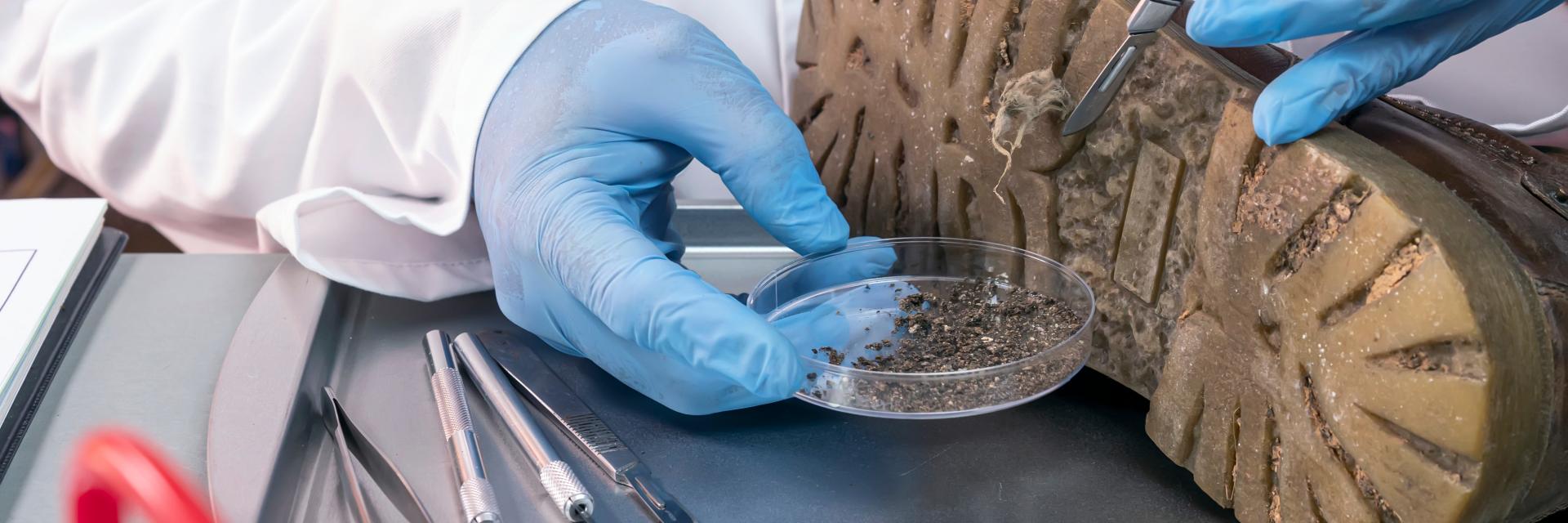
According to the Locard’s Exchange Principle, whenever two objects come into physical contact, they exchange trace evidence. This is especially true for soil, which easily sticks to tools, shoe soles, tire treads, or the wheel arches of vehicles. This initial exchange is known as primary transfer. If the soil that has been transferred once is then carried to another location, for example onto a road, a carpet, or into a car trunk, this is called secondary transfer.
Soil traces can provide valuable information on their own, but they may also include unique characteristics from the object that transferred them, such as wear marks. Because of this, soil evidence can help investigators link different locations, objects, and people during a forensic investigation.






Why the investigation of forensic soil matters
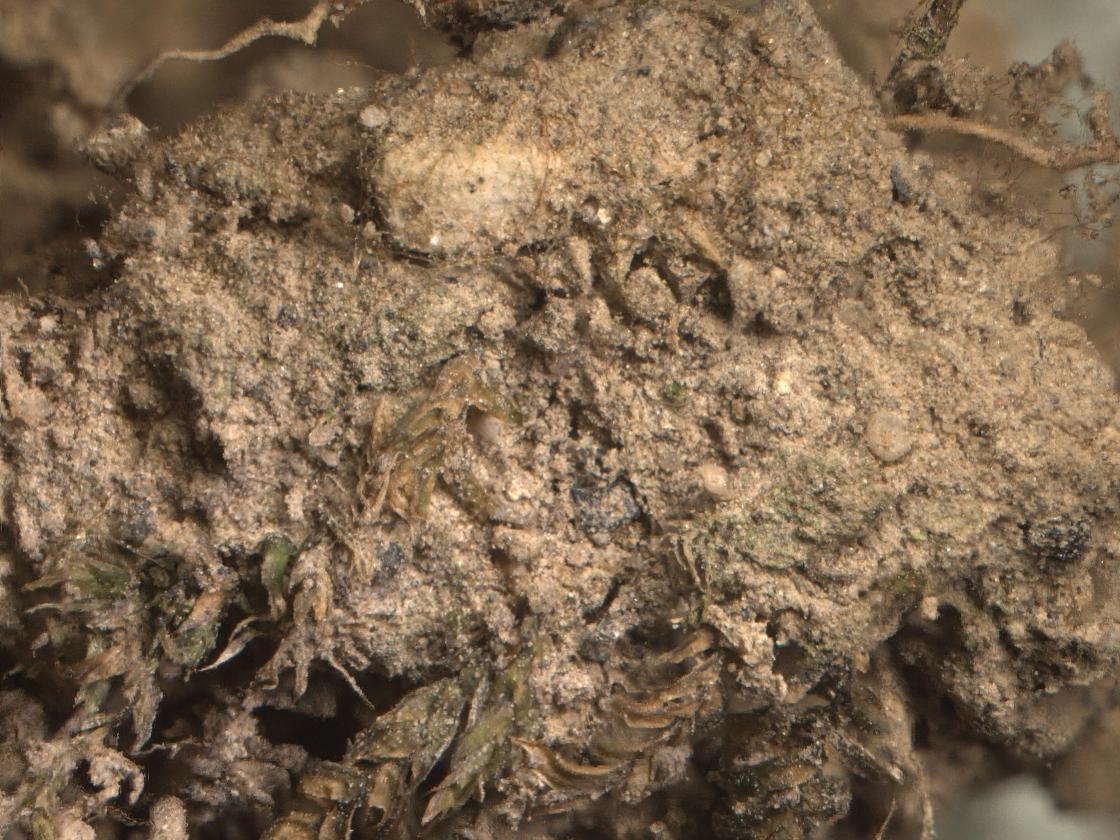
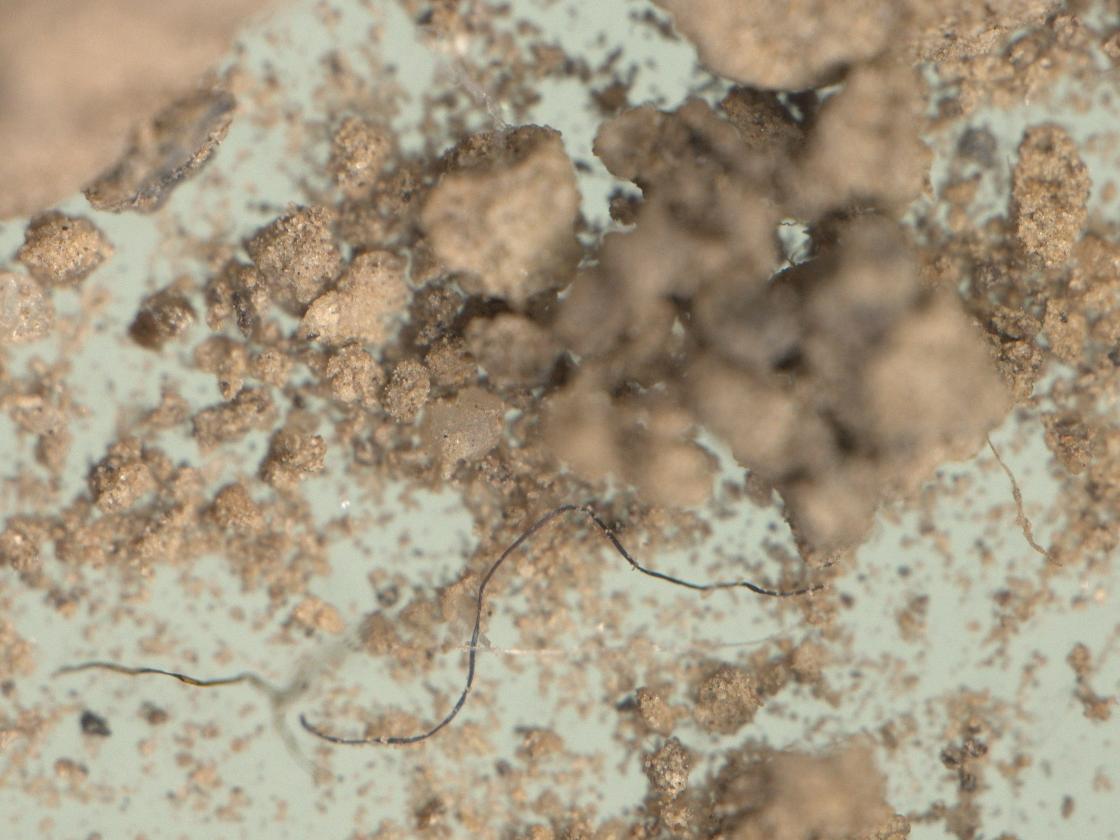
Soil is extremely individualistic. The USDA Soil Taxonomy alone defines 12 major soil orders, and within the United States there are more than 50,000 distinct soil types. On top of this natural diversity, soil is constantly altered by human activity such as farming, landscaping, the addition of compost, industrial materials, or waste
Environmental and temporal factors such as climate, season, weather conditions, and vegetation add another layer of uniqueness. Because soil varies so widely in composition and appearance, there is no universal standard method for forensic soil examination.
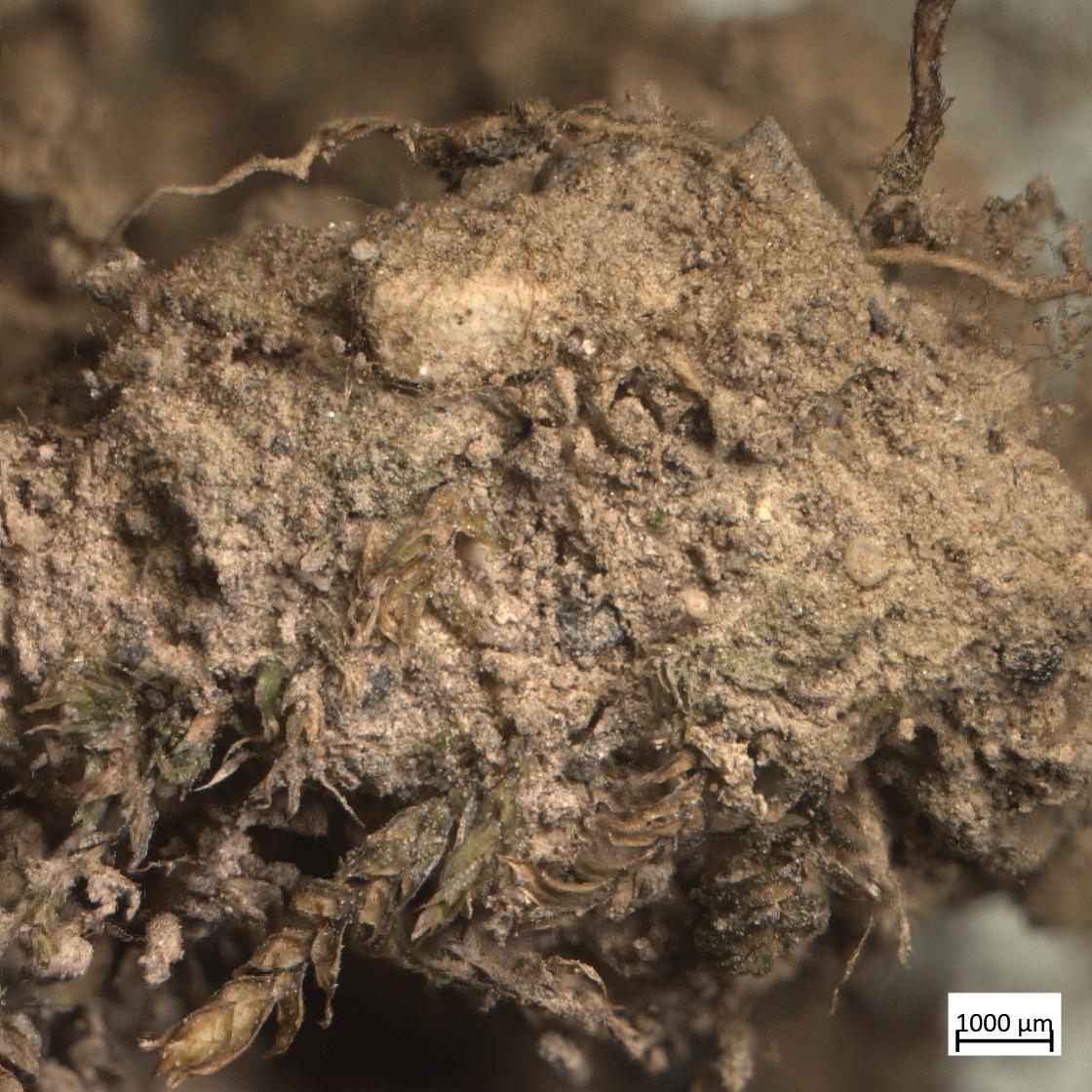
Key properties examined in forensic soil microscopy include:
- Morphology: consistency, structure, texture, moisture, segregations
- Color: classification using the Munsell Soil Color Chart or RGB values
- Grain size: differentiation between silt, clay, sand, and gravel
- USDA classification: e.g., Mollisols, Histosols, Alfisols
- Inorganic components: minerals, diatoms, and other microscopic particles
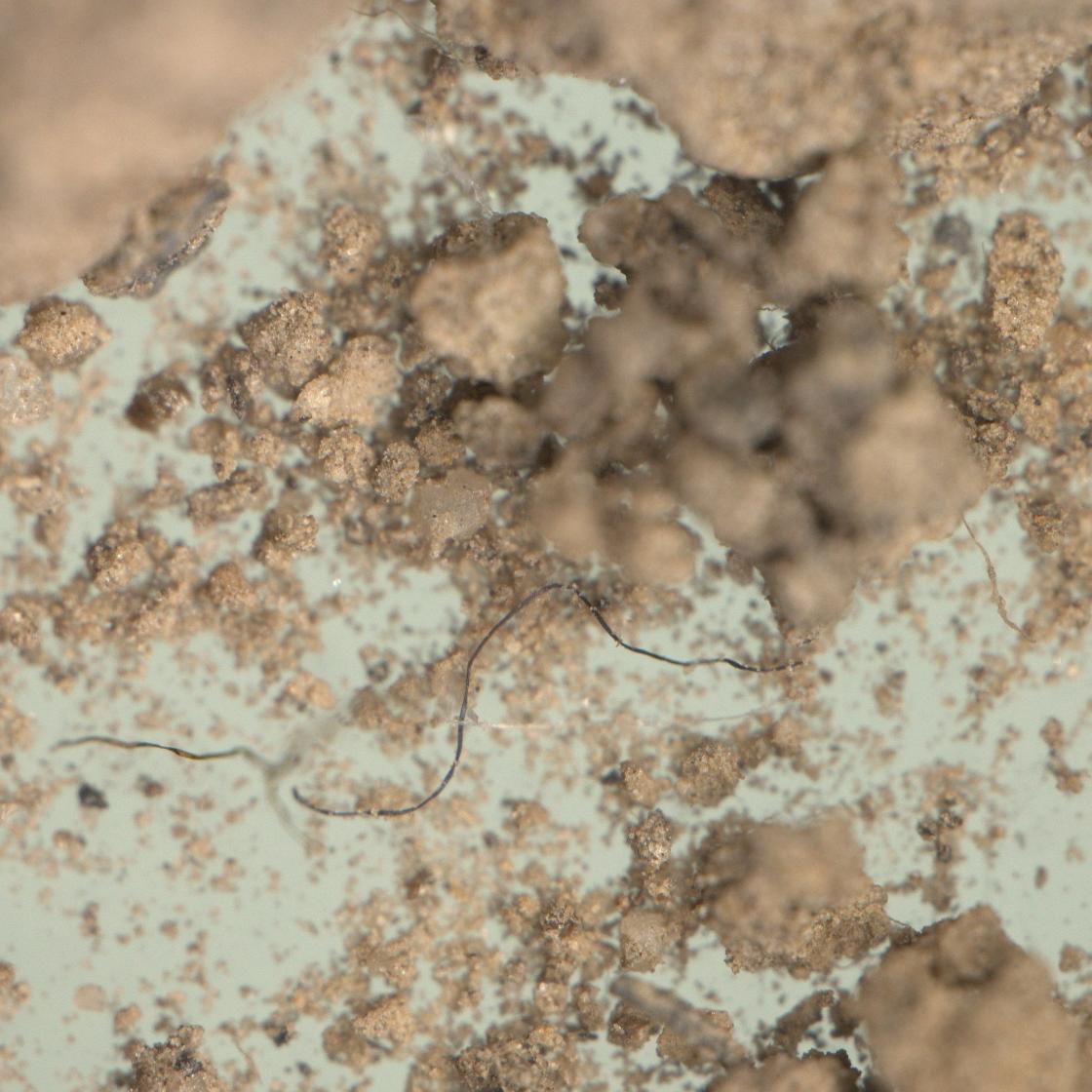
- Contaminants: building material, industrial waste, microplastics, glass fragments, fibers, paint, etc.
- Organic matter: leaves, roots, pollen, fungal spores, seeds, and more
These characteristics are then compared with a reference soil sample collected from a control location to determine whether two soil samples likely share a common origin.
Optical challenges and solutions
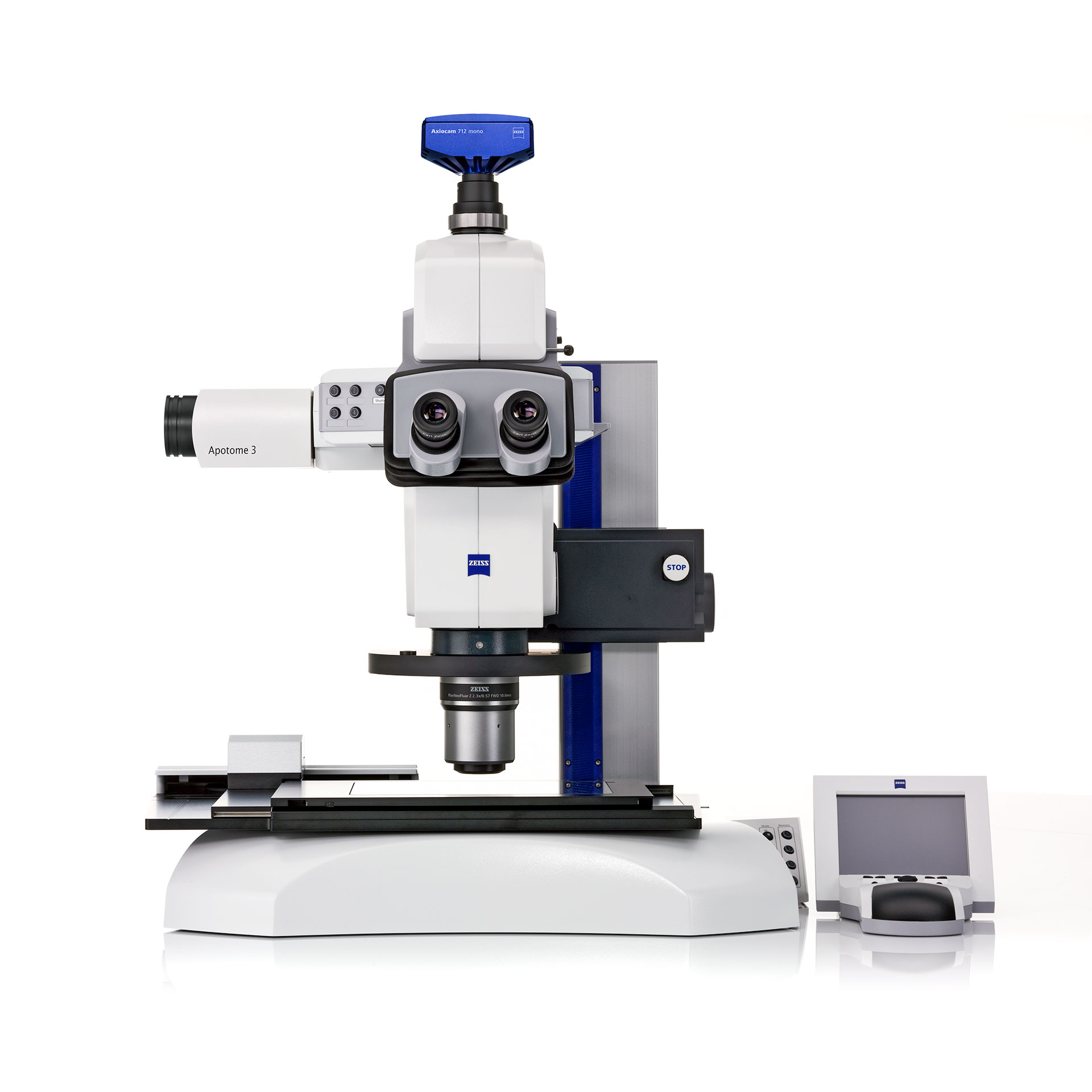
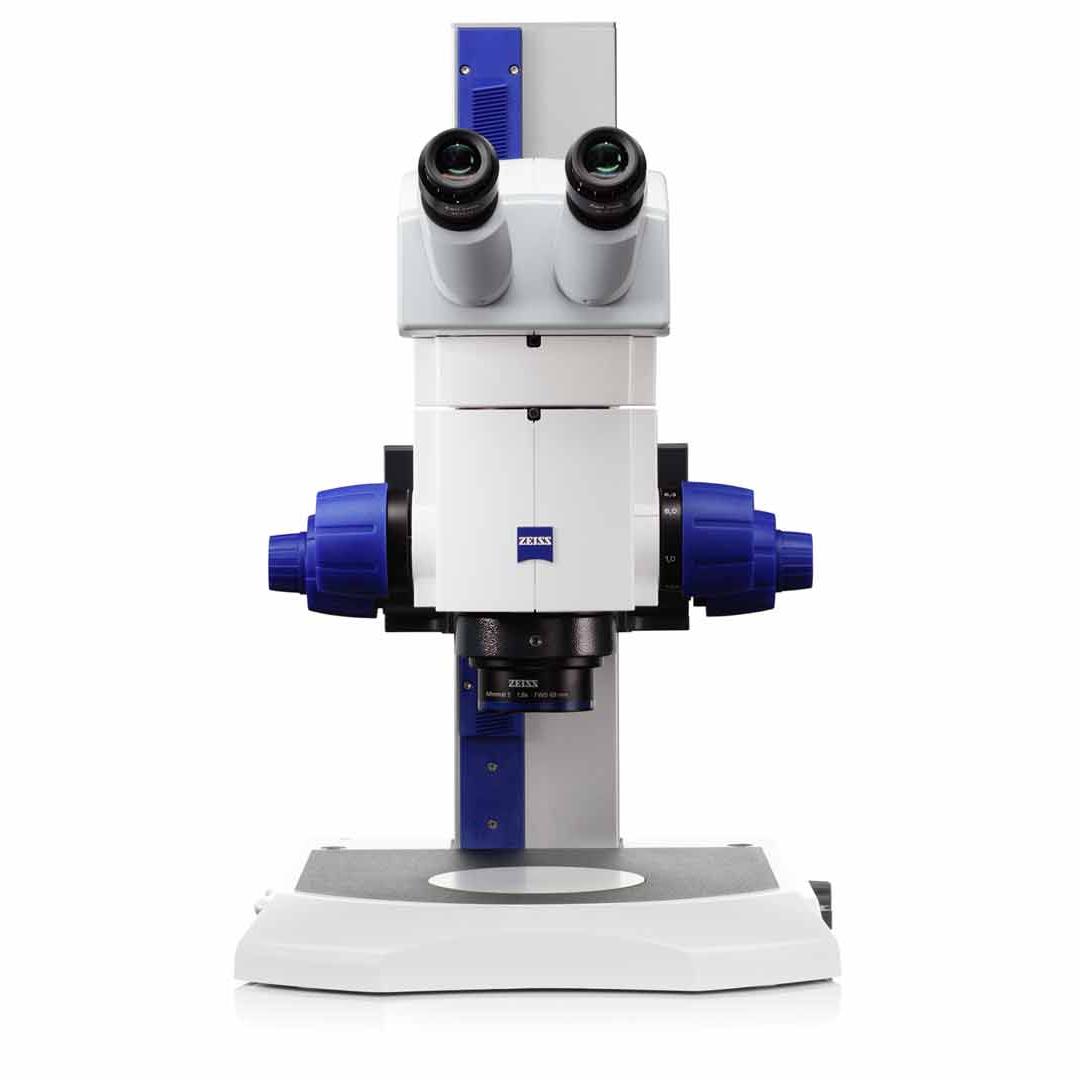
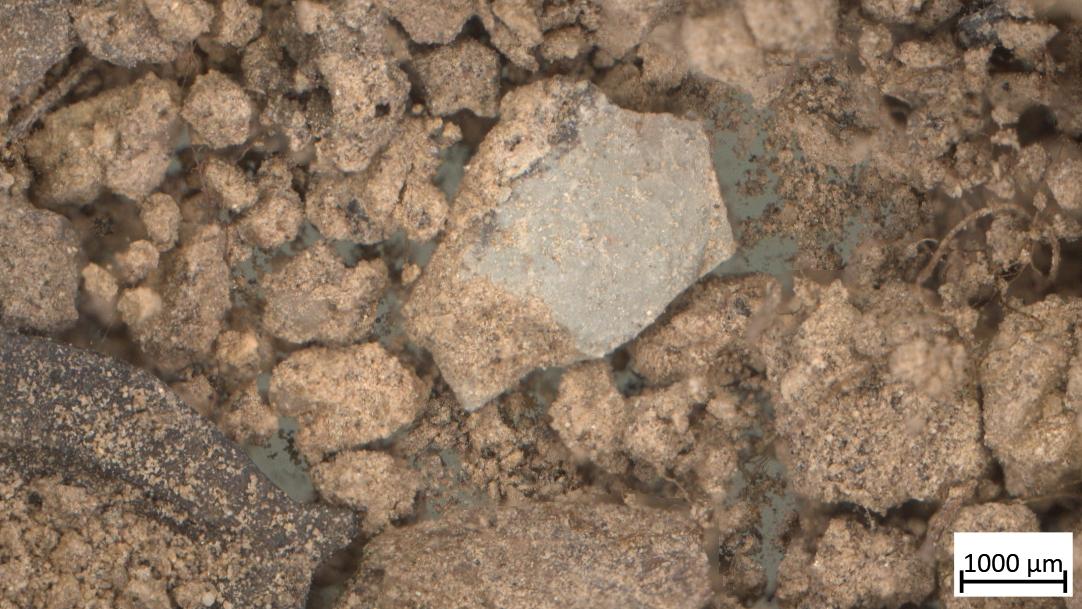
The initial examination is typically carried out using a stereo microscope. Forensic work requires instruments that are ergonomic, provide a comfortable working distance, and offer excellent color accuracy. By adjusting the focus, the examiner can visually scan the different layers within the soil matrix.
After the initial inspection, the soil sample is usually separated into its individual fractions — for example by sieving, density separation, or flotation. Each fraction is then examined under higher magnification using compound light microscopy, polarized light microscopy, or specialized imaging techniques. These methods help identify mineral types, detect contaminants, and compare particle characteristics in detail.
Further analytical techniques such as SEM-EDS or X-ray diffraction may be employed when additional precision is required, especially in cases where soil samples are extremely similar or only very small trace amounts are available.
Polarized light microscope
A polarized light microscope enables to examine the properties of mineral components but also fibers and plastic fragments if present. Petrographic methods determine different minerals but can also be used to study microfossils diatoms, etc. Polarized light microscopes consist of optical components free of internal strain. This ensures unbiased measuring results. Secondly, straylight is banned from the entire optical system which ensures highest possible contrast in the microscopic image. Both – reliable measuring result and high contrast images ensure to not missing any detail within the sample.


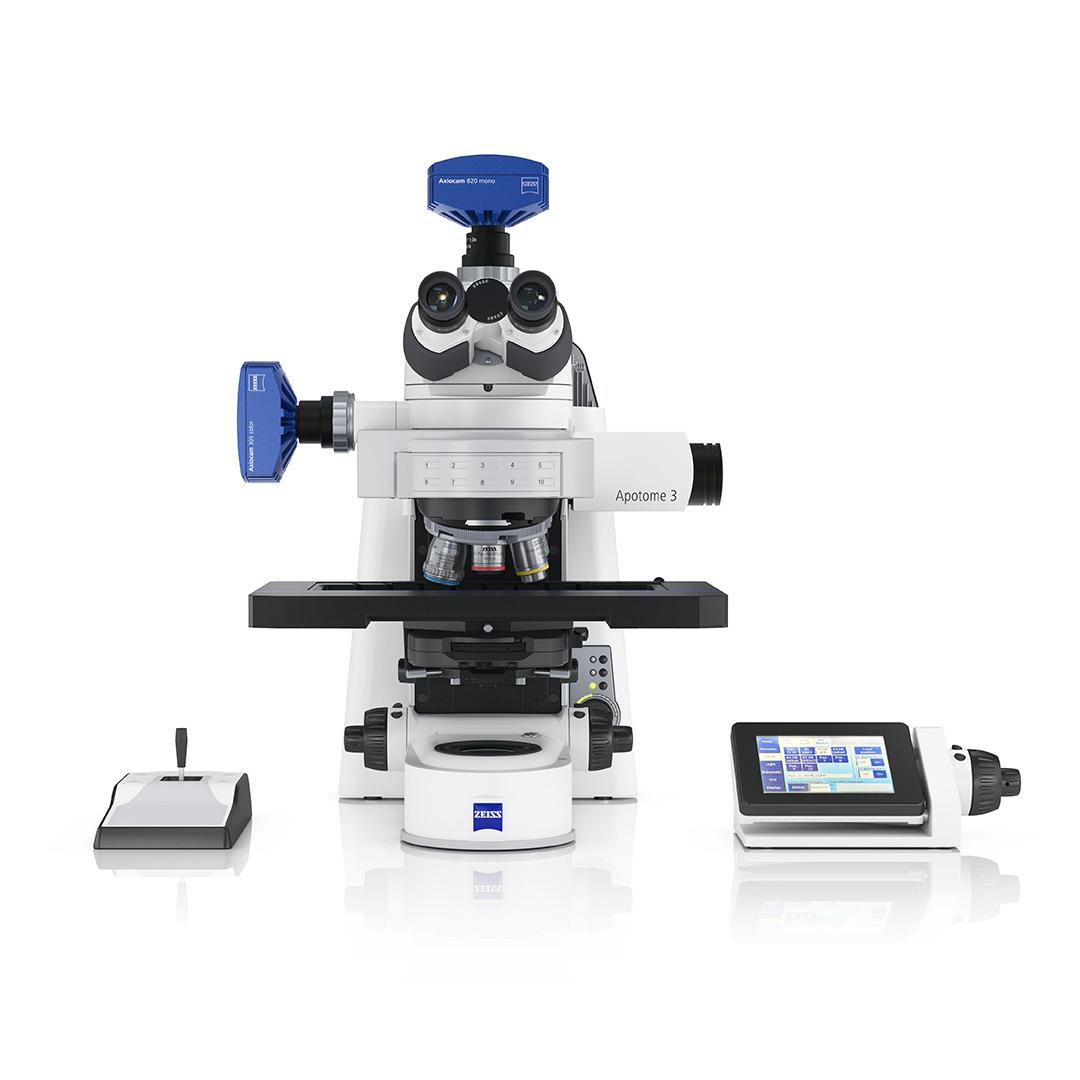
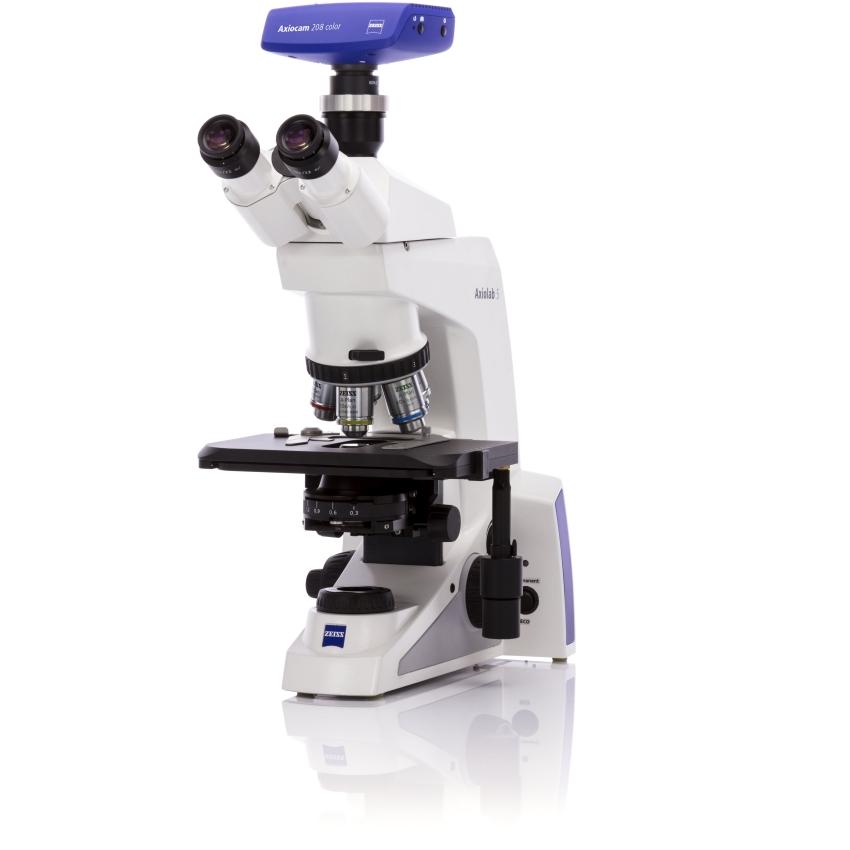
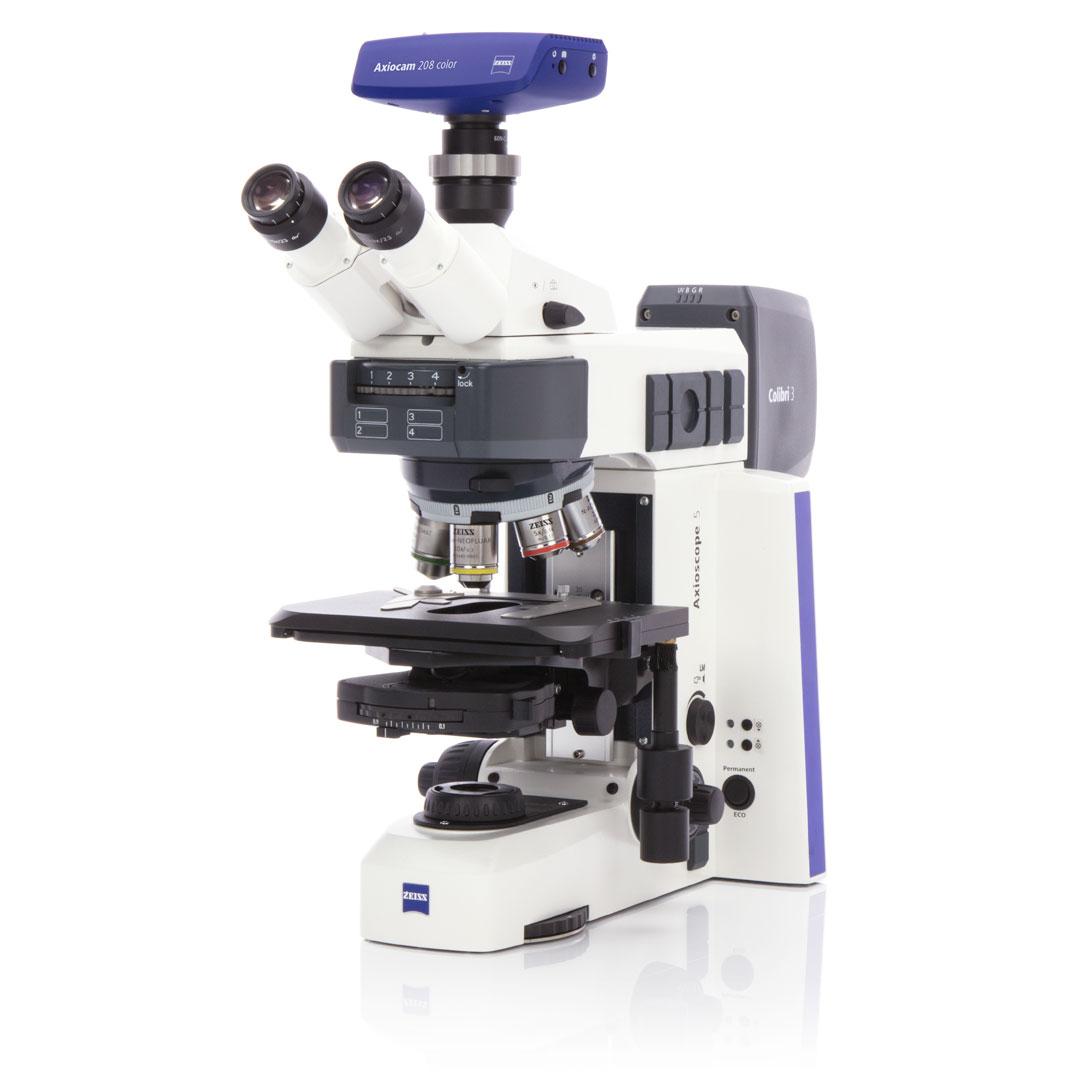
Microscopes such as ZEISS Axio Imager, ZEISS Axioscope 5 or ZEISS Axiolab 5 exceed these requirements, delivering outstanding optics, robust illumination control, and modular accessories tailored for trace evidence analysis.
These microscopes ensure reproducible, high-contrast images even of the smallest particles providing results forensic experts can rely on.


Applications of forensic soil microscopy
- Crime scene / suspect / vehicle / tool correlation
- Time correlation
- Comparing to soil databases such as WoSIS
- Sample preparation / selection for further investigation
Conclusion
The microscopic investigation of forensic soil traces is a cornerstone of modern forensic science. It bridges the gap between physics, materials science, and criminal investigation helping to reveal the truth hidden in minute fragments.
With the right instrumentation, including polarized and transmitted light microscopes like ZEISS Axio Imager and ZEISS Axioscope, forensic professionals can uncover evidence that withstands the highest legal and scientific scrutiny.
Frequently asked questions
-
Soil has a high probability of transfer and retention. Secondly, soil is highly individual. It can be easily spotted, collected and separated. Due to its high level of individuality, it carries many kinds of information.
-
Forensic experts primarily use stereo microscopes for first review, polarized light microscopes and transmitted light microscopes to characterize fragments. Documentation via a microscope camera may be essential for evidence tracing.
-
Polarized light microscopy is used to reveal the petrographic properties of minerals, and other birefringent objects.
-
Abberation and strain-free optics, highly accurate polarization accessories and minimized straylight ensure maximum proceeds from any given sample.