ZEISS @ SLAS 2026
Booth #2430 | Feb 7-11Accelerating Drug Discovery with Human-Relevant, Automated Imaging
Join ZEISS at the SLAS 2026 International Conference and Exhibition in Boston, February 7–11, where scientists, technologists, and industry leaders come together to explore advances in life sciences discovery and laboratory automation.
At SLAS 2026, ZEISS will highlight integrated imaging and analysis capabilities designed to support scalable, human-relevant research:
What ZEISS is Showcasing at SLAS 2026
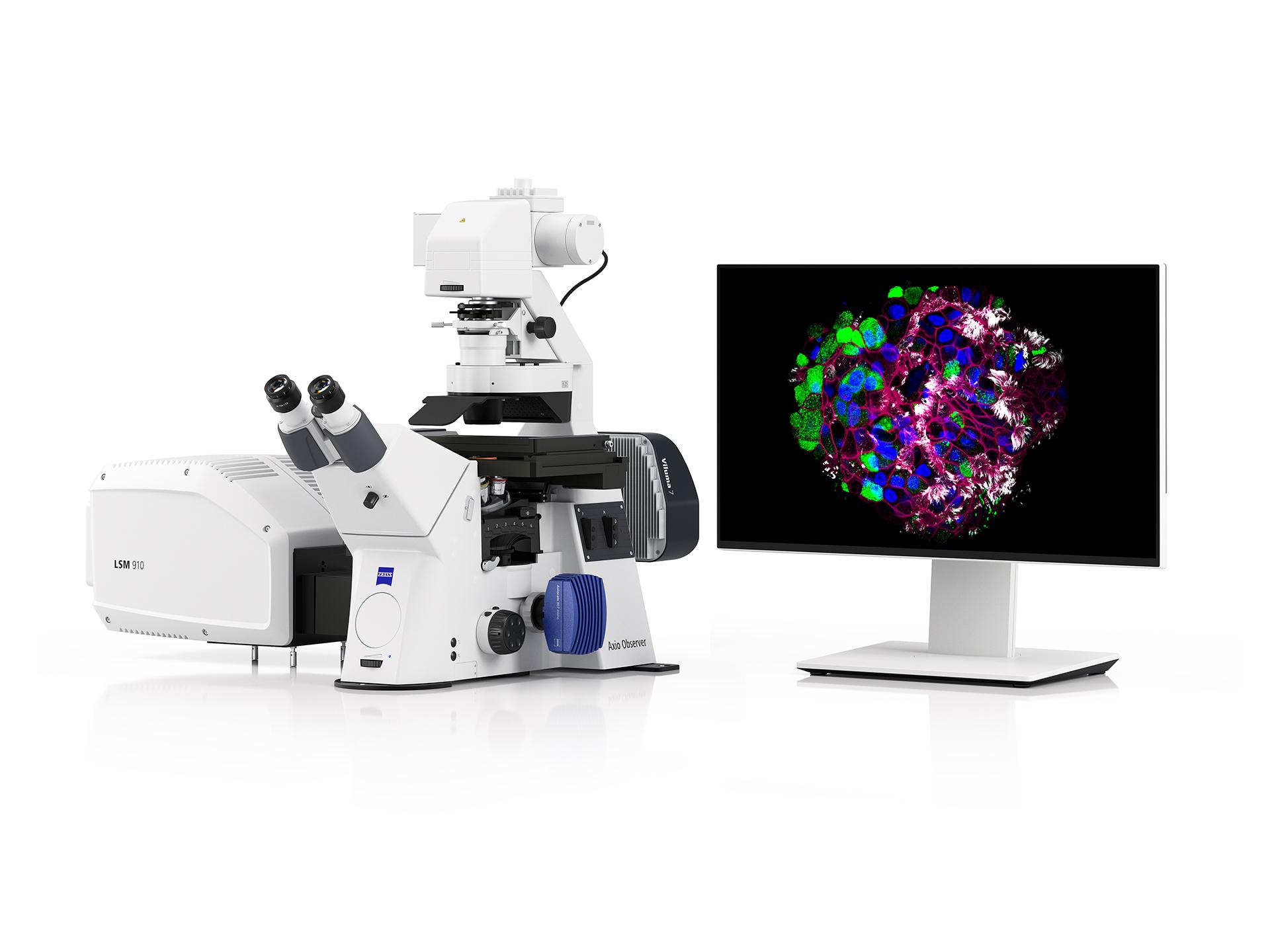
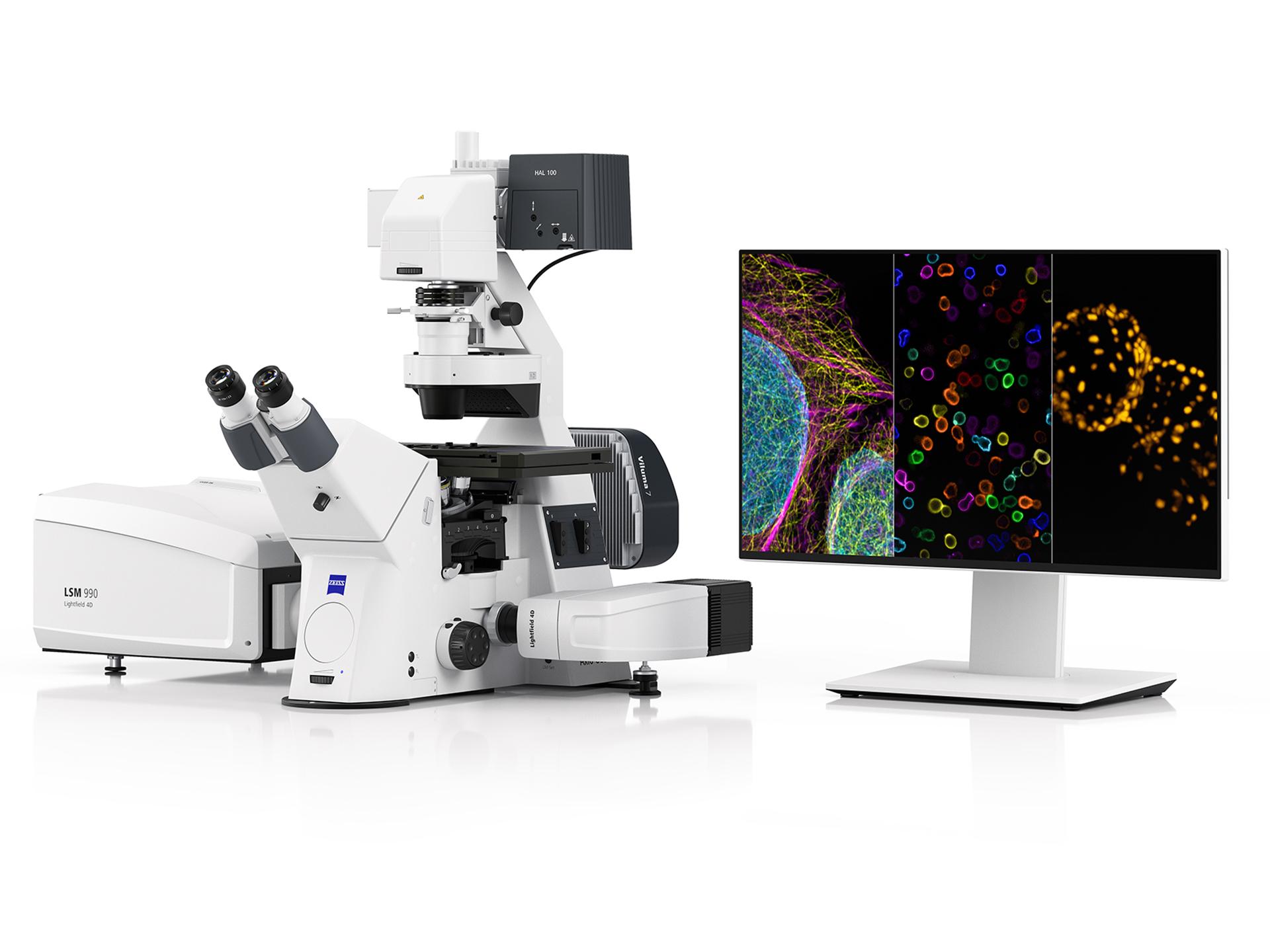
- End-to-End NAM Imaging & Analysis: Support new approach methodologies with imaging and analysis workflows designed for large, multidimensional datasets, reproducibility, and scale.
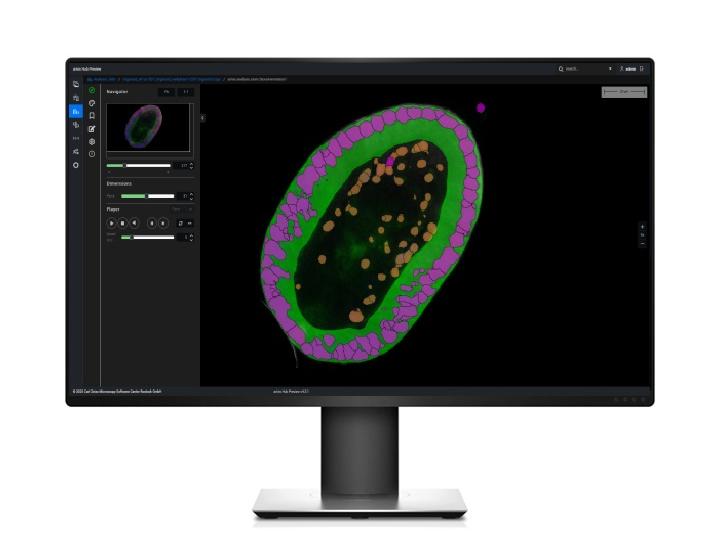
- Spatial Biology Workflows: Enable quantitative, multiplexed insights into tissue architecture and cell–cell interactions—supporting translational decision-making across complex biological models.
- Microscopy Imaging & Analysis Services: Access advanced microscopy and analysis capabilities through flexible service models—supporting projects that require expert workflows without building internal infrastructure.
- MyZEISS Customer Portal: Simplify access to product information, service requests, data, and personalized support through a unified digital experience.
Connect with ZEISS at SLAS 2026 to explore how imaging and analysis workflows can support human-relevant models and translational research.
Discover What's New at ZEISS
Take your automation to the next level with ZEISS tools built to meet your research goals.

Imaging & Analysis Workflows for New Approach Methodologies (NAMs)
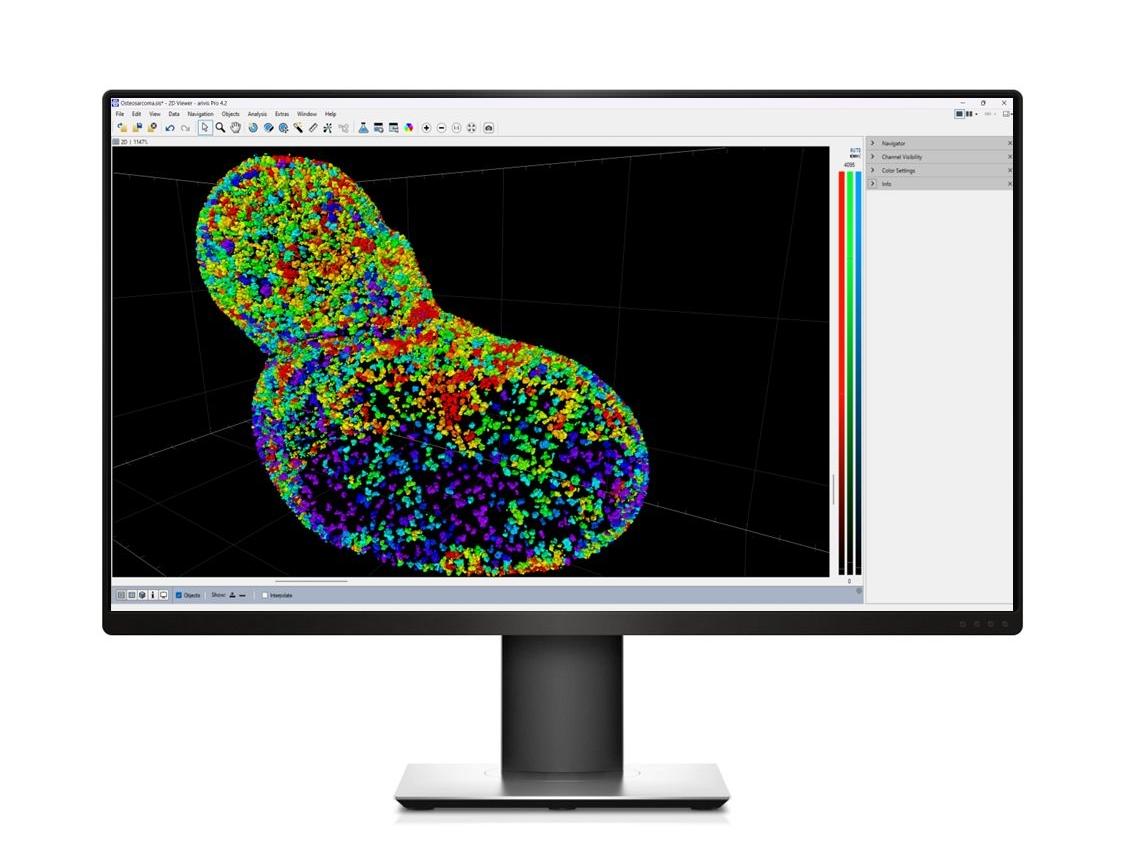
Supporting human-relevant models with scalable measurementNew approach methodologies such as organ-on-chip systems and advanced 3D cultures promise improved human relevance in drug discovery—but only when paired with robust, quantitative readouts. ZEISS imaging and analysis workflows are designed to support NAM adoption by enabling consistent measurement across large, multidimensional microscopy datasets.
At SLAS, ZEISS is highlighting how integrated imaging and analysis help bridge innovative model systems with reproducible, decision-ready data.
New Spatial Biology solution
Workflow automation at scaleSpatial biology is increasingly central to understanding mechanism of action, target engagement, and cellular interactions within complex biological systems. ZEISS spatial biology workflows support multiplexed imaging and quantitative analysis while maintaining consistency and reproducibility across experiments. Designed for translational and high-content environments, these workflows integrate automation and analysis to help teams move from rich spatial data to actionable insight—without sacrificing biological context.


A Connected Digital Experience: MyZEISS
Simplifying access across the ZEISS ecosystemMyZEISS brings together product information, service access, and personalized support within a single digital platform. Designed to simplify interactions across imaging workflows, MyZEISS helps users manage resources more efficiently—from service requests to technical documentation and support.
At SLAS, ZEISS is highlighting how digital tools complement advanced imaging and service models to support modern, automated research environments.


Flexible Image Analysis Services
Advanced capabilities without added infrastructureNot every project—or organization—requires building advanced imaging infrastructure in-house. ZEISS Imaging & Analysis as a Service provides flexible access to expert workflows, advanced microscopy systems, and high-performance analysis to support discovery and development efforts.
This service-based approach allows teams to scale imaging capabilities as needed while maintaining scientific rigor, reproducibility, and efficiency.
ZEISS at SLAS 2026 Agenda
Engaging the community through collaboration, workflows, and emerging innovation

Spatial Biology Startup Partnership Program
Connecting with emerging platforms at SLAS 2026ZEISS is meeting with early-stage teams at SLAS 2026 to explore where advanced imaging and analysis can meaningfully support spatial biology platform development. Conversations are focused on practical challenges—data quality, scalability, and workflow integration—rather than product selection.
These discussions are intended to identify areas where early technical collaboration could accelerate platform maturity and strengthen downstream translation, whether teams are validating new assays, scaling data generation, or preparing for future growth.


Emulate Open House
In Person Answering the FDA’s Call: A Practical Discussion for the Implementation of NAMs in PharmaZEISS is collaborating with Emulate as part of their open house focused on new approach methodologies. This session highlights how advanced imaging and analysis workflows integrate with organ-on-chip systems to support reproducible, human-relevant measurements.
Together, ZEISS and Emulate are showcasing how complementary technologies can enable deeper insight into complex biological models.
When: February 10, 2026 | 5:00 - 7:00 pm | Boston, Seaport
Poster Presentation
Imaging and analysis methods for NAMsZEISS will present a poster at SLAS 2026 highlighting imaging and analysis workflows designed to support new approach methodologies. The poster focuses on how advanced microscopy and scalable image analysis enable quantitative insight from large, multidimensional datasets generated by complex, human-relevant models.
Through collaborations with InSphero and Emulate, ZEISS will demonstrate both organoid and organ-on-a-chip workflows, illustrating how complementary model systems can be supported within a unified imaging and analysis framework.
This work highlights practical approaches for translating innovative model systems into reproducible, decision-ready data for translational and screening applications.