ZEISS Phase Identifier
Unlock the secrets of your mineralsAutomated microscopy has transformed how geologists analyze minerals. By combining high-resolution imaging with intelligent software, researchers can examine mineral phases, crystal structures, and elemental compositions with greater precision and speed.
ZEISS Phase Identifier takes this capability further. It applies deep learning to microscopy data, automating mineral identification and segmentation across light, electron, and X-ray modalities. The result is faster, more accurate phase characterization and larger, statistically robust datasets—without the need for repetitive manual processing.
Learn how this approach empowers you to explore complex samples, reduce human error, and reveal the intricate relationships that define geological processes.


ZEISS Phase Identifier
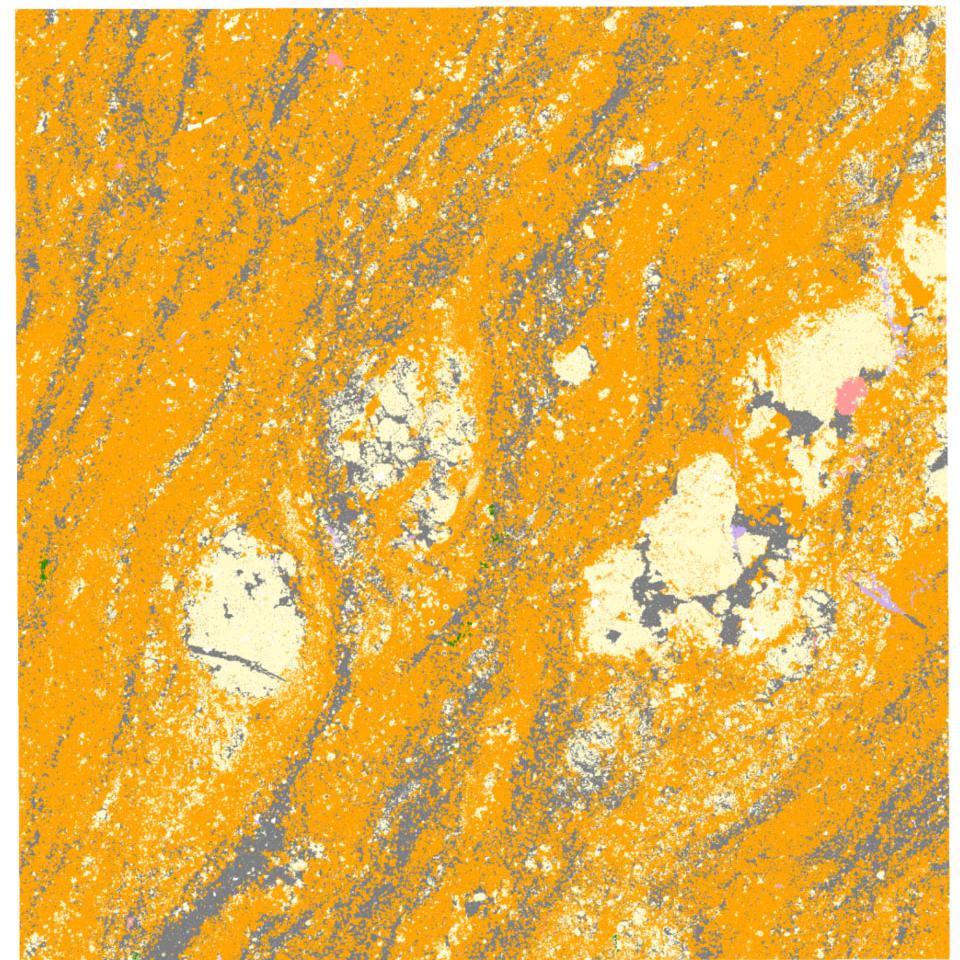
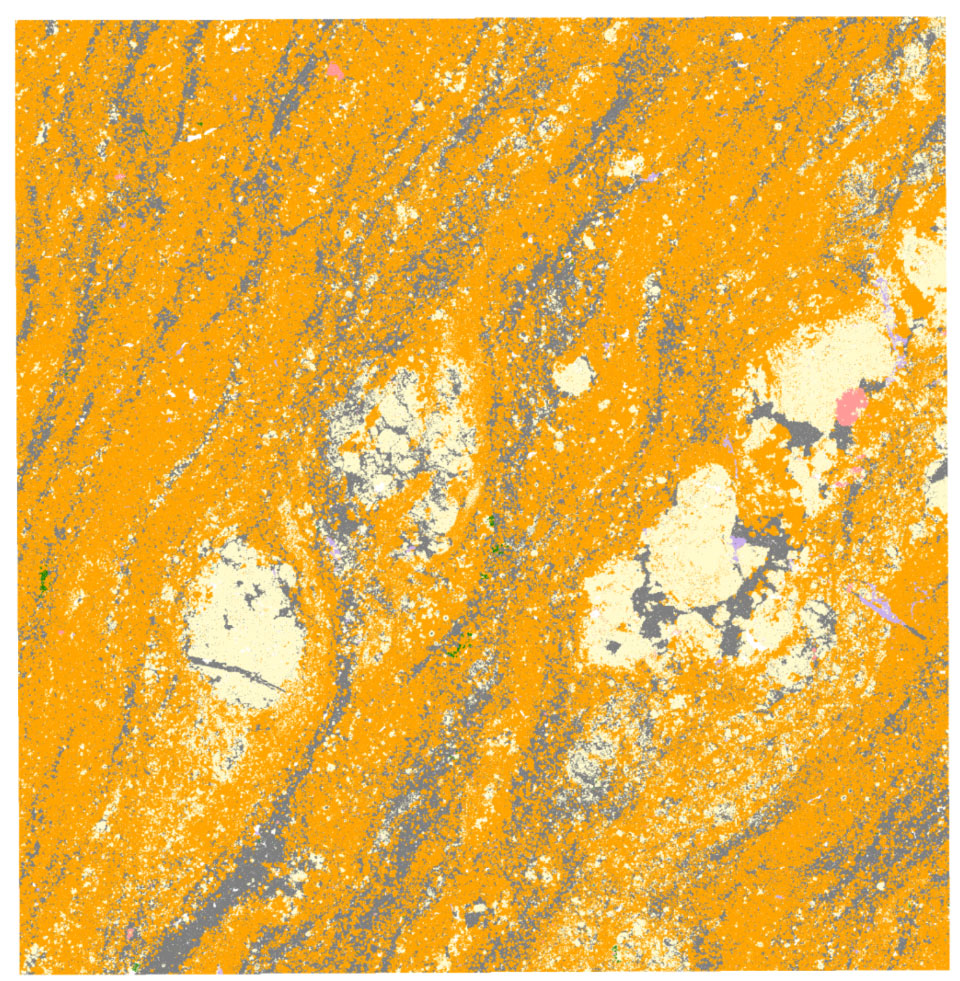
Rock CharacterizationAutomation has the potential to liberate individuals and organizations from arduous, time-consuming tasks, freeing them to be more strategic and productive. Efficiency across workflows can be maximized when microanalytical techniques are familiar between instruments, but avoiding the overcomplexity associated with one-fits-all software packages. ZEISS is achieving this with the Phase Identifier analysis ecosystem for 2D and 3D.
Image caption: Phase segmentation, classification, and quantification with ZEISS SEM and Phase Identifier AI provides unbiased mineralogy and fabric information.
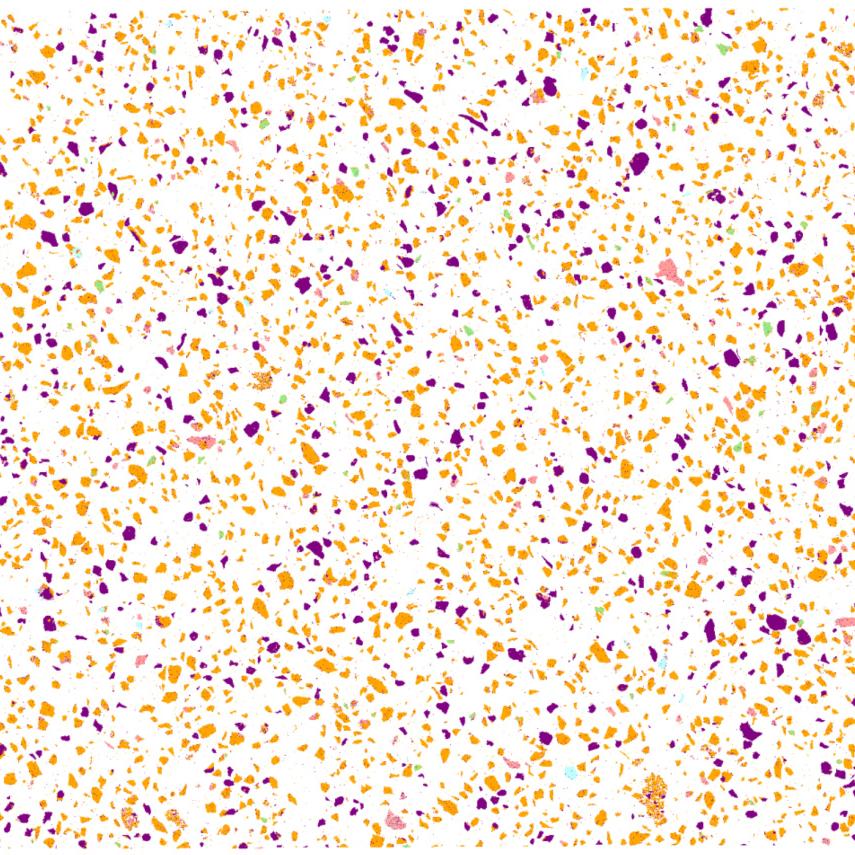

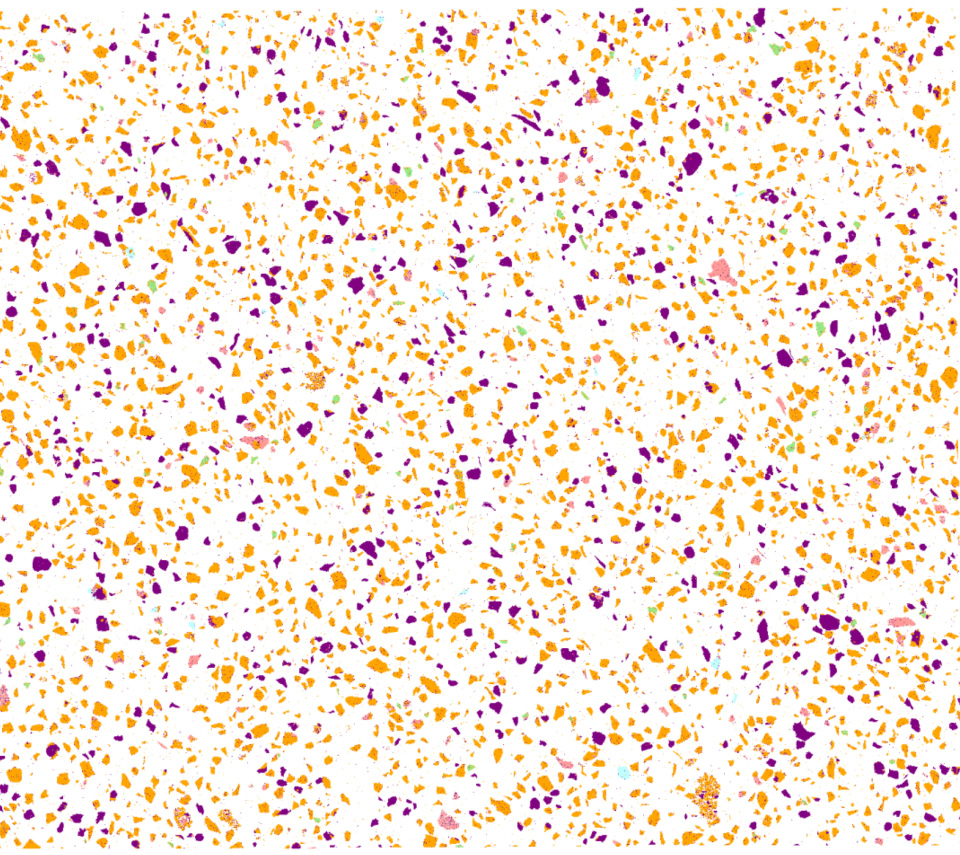

Phase Identifier AI for Exacting geological interrogation of your minerals
• Unbiased assessment with data-led, not library enforced, classifications
• Run automated workflows for fast and reliable chemistry-based mineral classification, and quantification
• Assess the quality of your recovery process with chemistry, liberation, and association information
Image caption: Phase Identifier AI providing quantified chemistry, mineralogy, liberation, and phase associations for metallurgical process evaluations.


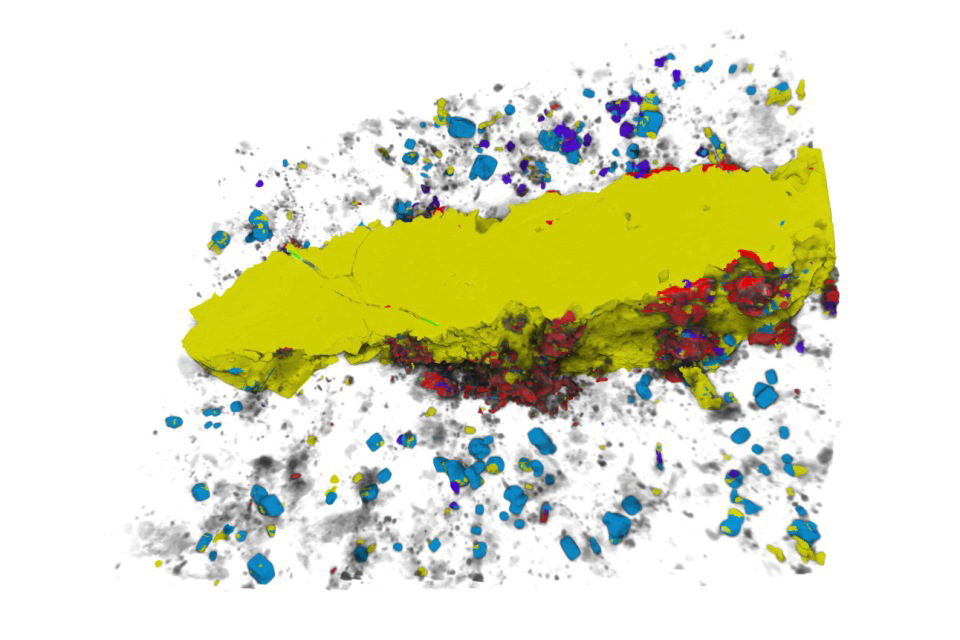

Phase Identifier 3D for Natural Resources
• Investigate your sample in its true form, classifying mineralogy and measuring parameters in 3D, gaining an unparalleled ability to understand its composition, mineral relationships, and texture.
• Enjoy higher analysis throughput with simple sample handling by dispensing with the requirement to mechanically alter your samples in order to expose flat surfaces.
• Non-destructive imaging allows for analysis of precious samples or correlative workflows.
Image caption: ZEISS XRM with Phase Identifier 3D provides quantified mineralogy and reveals textural relationships in this pyrite - molybdenite vein in granite.
On-demand Webinar Highlights


One Workflow – All Scales, All Modalities
Move seamlessly from 2D to 3D. Learn how ZEISS Multimodel workflows integrates electron, light, and X-ray microscopy into a single analytical framework.
With Phase Identifier, every pixel and voxel contributes to one consistent dataset. You see texture, composition, and associations in full context — from mineral grains to rock volumes.
Automated Phase Recognition Powered by AI
Manual segmentation limits scale and consistency. Find out how ZEISS Phase Identifier applies deep learning to classify all phases automatically, using a fixed reference library.
The result: reproducible phase identification, quantitative chemistry, and morphology in a single dataset — faster and with fewer manual steps.


Smarter Data – Less Instrument Time, More Discovery
Spend your time on insight, not iteration.
Get the details on how to collect quantitative datasets once, then analyze them offline or in batches. Generate consistent results across projects and uncover new relationships in your samples.


Register for the on-demand webinar
Sign up now to learn how ZEISS Deep Learning Neural Network (DLNN) technology transforms mineral classification across light, electron, and X-ray microscopy.