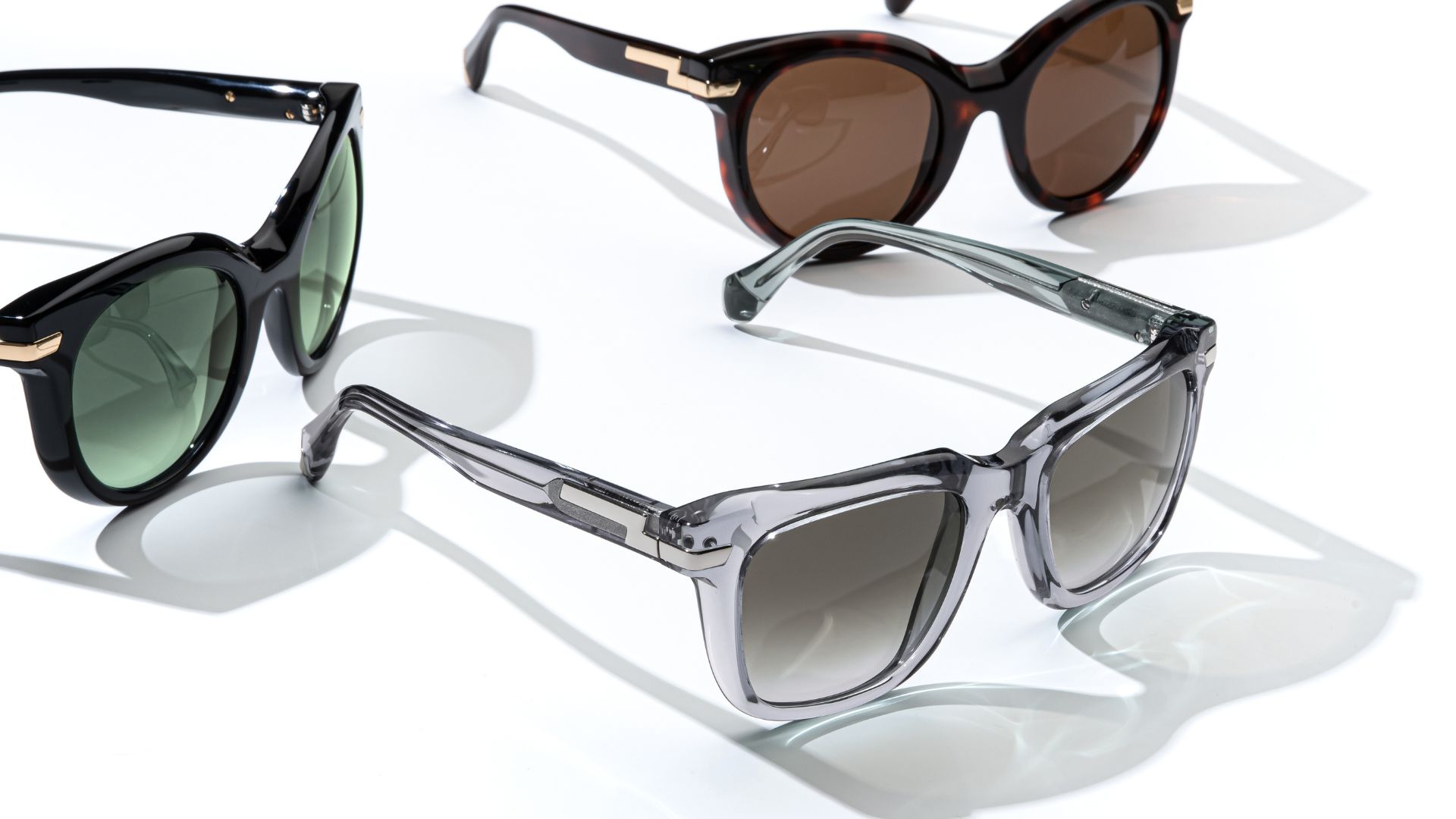
Sun lens for sunglasses: 4 essentials for eyewear brands


Bringing a new sunglass collection to market is a multidisciplinary process that goes far beyond design. For eyewear brands, success depends on the ability to balance creativity with technical feasibility, regulatory compliance, and clear market positioning.
While the choice of sun lens plays a critical role in performance and user experience, it is only one part of a broader ecosystem that must be carefully aligned from the very beginning. Below are four essential areas to consider when developing a collection that is both credible and commercially successful.


1. Build a clear market and pricing strategy
Every strong collection starts with a precise understanding of its target audience and positioning. This includes defining not only the visual identity of the product, but also its price point, distribution channels, and competitive landscape.
Consumer expectations can vary significantly depending on geography and lifestyle. A fashion-driven audience may be drawn to expressive shapes such as round lenses and bold design statements, while sport-oriented users will prioritize functionality, coverage, and durability, often reflected in designs like shield lens or goggle lenses.
Pricing should reflect both perceived value and technical content. Materials, design complexity, and the quality of the sunglasses lens all contribute to how the product is positioned in the market. A consistent pricing strategy across channels is equally important to maintain brand credibility and support long-term growth.


2. Align design, materials, and technical choices
Once positioning is defined, design and engineering decisions must follow a coherent direction. Frame materials such as acetate, metal, or bio-based alternatives communicate different brand values and directly influence product aesthetics and durability.
At the same time, sun lens materials selection should be aligned with both design intent and performance requirements. Choosing the right sun lens involves evaluating materials, geometry, and compatibility with the frame. For example, curved or wraparound designs often benefit from solutions like nylon lenses, which offer flexibility and resilience.
Beyond materials, additional elements such as coatings, weight distribution, and fit contribute significantly to the overall product experience. Brands that collaborate with a specialized sun lens manufacturer can access custom sun lens solutions that integrate seamlessly into their design and production processes, ensuring consistency between concept and final product.


3. Integrate compliance and technical constraints early
Sunglasses are regulated products and must comply with international standards to be legally sold. Requirements such as full UV protection, correct lens category classification, and adherence to standards like EN ISO 12312-1 or ANSI Z80.3-2018 are essential.
However, compliance should not be treated as a final step. It needs to be integrated into the design phase alongside technical considerations such as lens geometry, thickness, and mounting constraints. Misalignment between frame design and sun lens for sunglasses can lead to optical distortions, assembly issues, or costly redesigns.
This is particularly relevant for more complex constructions, including high-wrap frames or shield lens designs, where precision in both engineering and material selection is critical. Early collaboration with experienced partners helps streamline development and reduces time to market.


4. Deliver a consistent and high-quality user experience
Ultimately, the success of a collection depends on how it performs in real-world use. Comfort, durability, and visual clarity are key drivers of customer satisfaction and brand perception.
The sunglasses lens plays a central role in this experience, influencing factors such as glare reduction, color perception, and visual comfort. At the same time, frame ergonomics, weight balance, and fit are equally important in ensuring long-term wearability.
A critical, yet often underestimated, aspect is lens geometry. Planning the geometry of the sun lens early in the development process is essential to ensure a perfect fit with the frame design.
Use cases should guide key technical decisions. Injected wraparound frames require solutions that match their flexibility and curvature, while demanding environments, such as extreme sports or safety applications, call for higher impact resistance. Avoid incompatible lens–frame combinations, as they can lead to assembly issues and reduced reliability.
Consistency across all these elements is what differentiates a well-engineered product from a purely design-driven one.
A holistic approach to collection development
Developing a successful sunglass collection requires a holistic approach where strategy, design, and engineering are fully aligned. While the sun lens is a key performance component, it should always be considered within the broader context of brand positioning, product design, and user expectations.
Partnering with an experienced sun lens manufacturer enables brands to access advanced technologies and custom sun lens solutions, while also benefiting from technical guidance throughout the development process.
By integrating market insight, design coherence, and technical expertise, eyewear brands can create collections that are not only visually distinctive, but also scalable, compliant, and ready to compete in today’s global market.