From Starry Skies to Black Holes – ZEISS Planetariums at IPS 2026
- ZEISS takes IPS 2026 visitors on a journey through time, space and the future
- Rare opportunity to see the only operational 1924 Model I
Jena, Germany | 24 June 2026 | ZEISS Planetariums
At the 2026 International Planetarium Society (IPS) Conference in Fukuoka, Japan, ZEISS Planetariums showcases more than 100 years of innovation in astronomical projection – from the world’s first star projector to cutting edge digital experiences. Visitors will gain insights into the future of planetariums and fulldome presentations, highlighting ZEISS’s ongoing commitment to innovation.


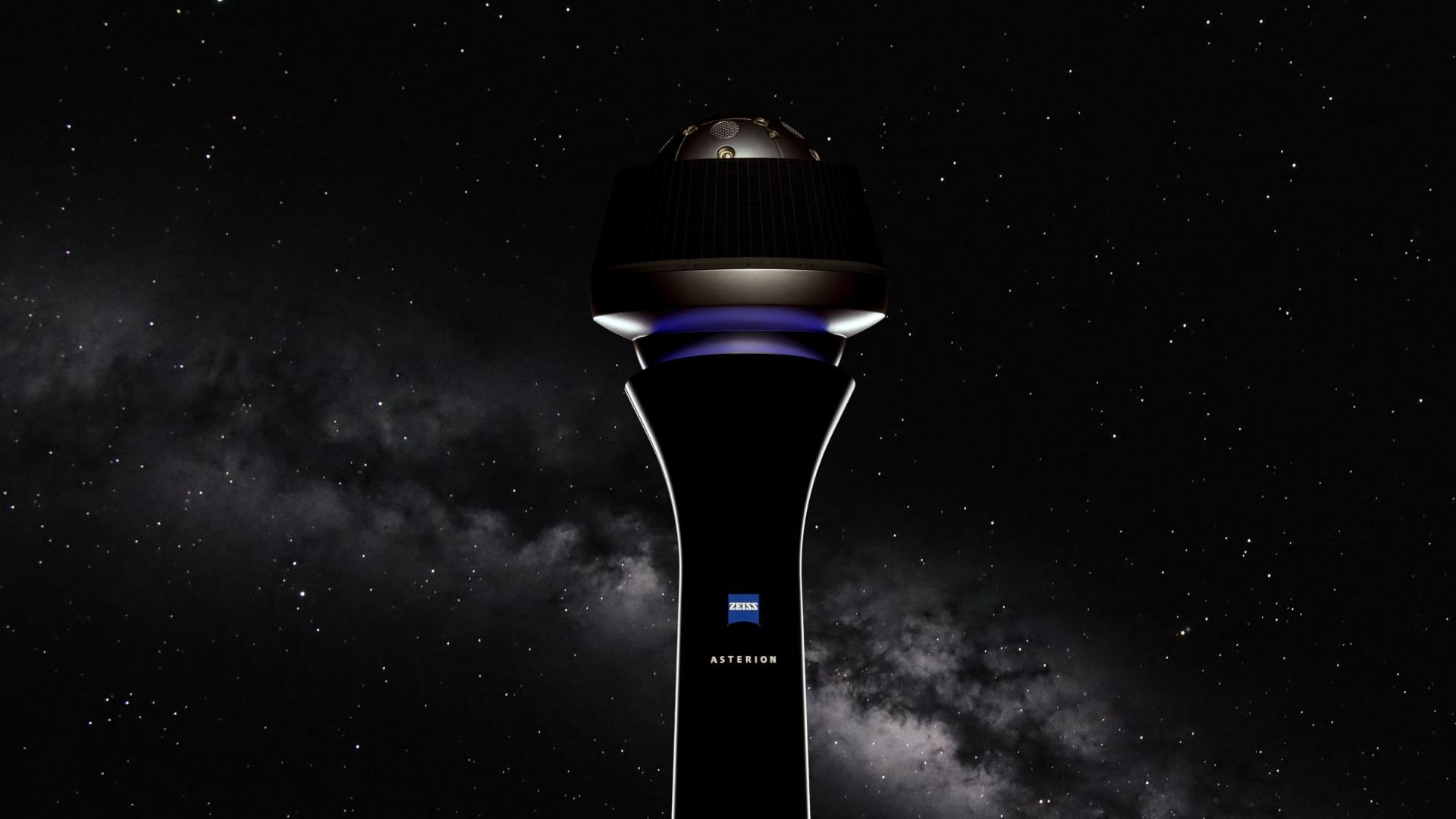
ZEISS ASTERION projects a brilliant, natural-looking starfield for modern planetariums.
A rare encounter with the first star projector
It all began with the Model I, the world’s first star projector, which created an artificial night sky under the dome at the Deutsches Museum in Munich in 1924. More than a century later, planetariums continue to inspire millions of visitors of all ages around the globe.
At IPS 2026, attendees have a rare opportunity to see one of only two surviving ZEISS Model I projectors – and the only operational instrument of its kind worldwide. Traveling from its current home in The Hague to Fukuoka, the historic projector will be presented as a landmark of technological and scientific innovation.
“From the first artificial sky in Munich more than one hundred years ago to real-time journeys through the cosmos, our goal has always been the same: to make the universe accessible to everyone. Together with planetarium teams from all over the globe, we are shaping what the next century of planetariums will look like.“ – Dr. Nicole Nelles, Head of ZEISS Planetariums
From UNIVERSARIUM to ASTERION and VELVET 4K - the story of planetarium is always about ZEISS innovations
Building on this legacy, ZEISS Planetariums offers modern optical-mechanical star projectors such as the UNIVERSARIUM as ZEISS’s most powerful and comprehensive system, as well as the compact ZEISS ASTERION and the ZEISS Skymaster ZKP4. These systems project all stars and planets visible to the naked eye in outstanding brilliance and accuracy, creating a natural night sky that remains the benchmark for planetarium experiences.
Part of the show at IPS 2026 is the ZEISS ASTERION. It sets new standards for compact optical mechanical star projectors in modern planetariums. Despite its minimal footprint, ASTERION delivers an exceptionally realistic night sky with brilliant, pinpoint stars and an impressive dynamic range, making even the faintest celestial objects visible. Its state-of-the-art LED illumination, highly efficient optics, and robust mechanics ensure long term reliability with minimal maintenance.
Designed to integrate seamlessly into hybrid systems with digital fulldome projection, ZEISS ASTERION combines the authenticity of analog starlight with the flexibility of digital content – providing planetariums with a powerful, future ready solution for inspiring audiences of all ages.
As the digital component in such hybrid planetariums, the latest ZEISS VELVET 4K takes fulldome projection to a new level. The fourth VELVET projector generation now features 4K resolution combined with an unprecedented contrast ratio of 5,000,000:1 and lifelike colors, delivering a deep black image background without residual gray light. In hybrid operation, ZEISS VELVET 4K complements the star projector with digital content that preserves the natural brilliance of the night sky. At the exhibition, visitors will be able to experience the projector’s outstanding image quality live in a dedicated projection room featuring a two-projector setup.
ZEISS has shaped the evolution of planetariums from the very beginning. At IPS 2026 we celebrate this heritage, and at the same time show how innovative projection technologies will continue to inspire audiences in the future.
Beyond stars and planets: immersive journeys with UNIVIEW
Today, modern planetariums are much more than starry skies. They combine optical star projectors with powerful digital systems that allow visitors to travel through galaxies, explore black holes and large-scale structures of the universe, and experience science, art and music in fully immersive 360 degree fulldome shows.
At IPS 2026, ZEISS demonstrates new features of UNIVIEW, the company’s advanced visualization software. UNIVIEW enables breathtaking space flights, scientifically accurate simulations and flexible storytelling that support education, research and entertainment under the dome.
Throughout the conference, the ZEISS Planetariums team invites the global community of planetarium professionals to discuss future concepts for hybrid optical digital domes, new possibilities for data driven astronomical visualization, and innovative fulldome formats that expand the role of planetariums as places for learning, inspiration and shared experiences.