Microscopic investigation of forensic glass traces
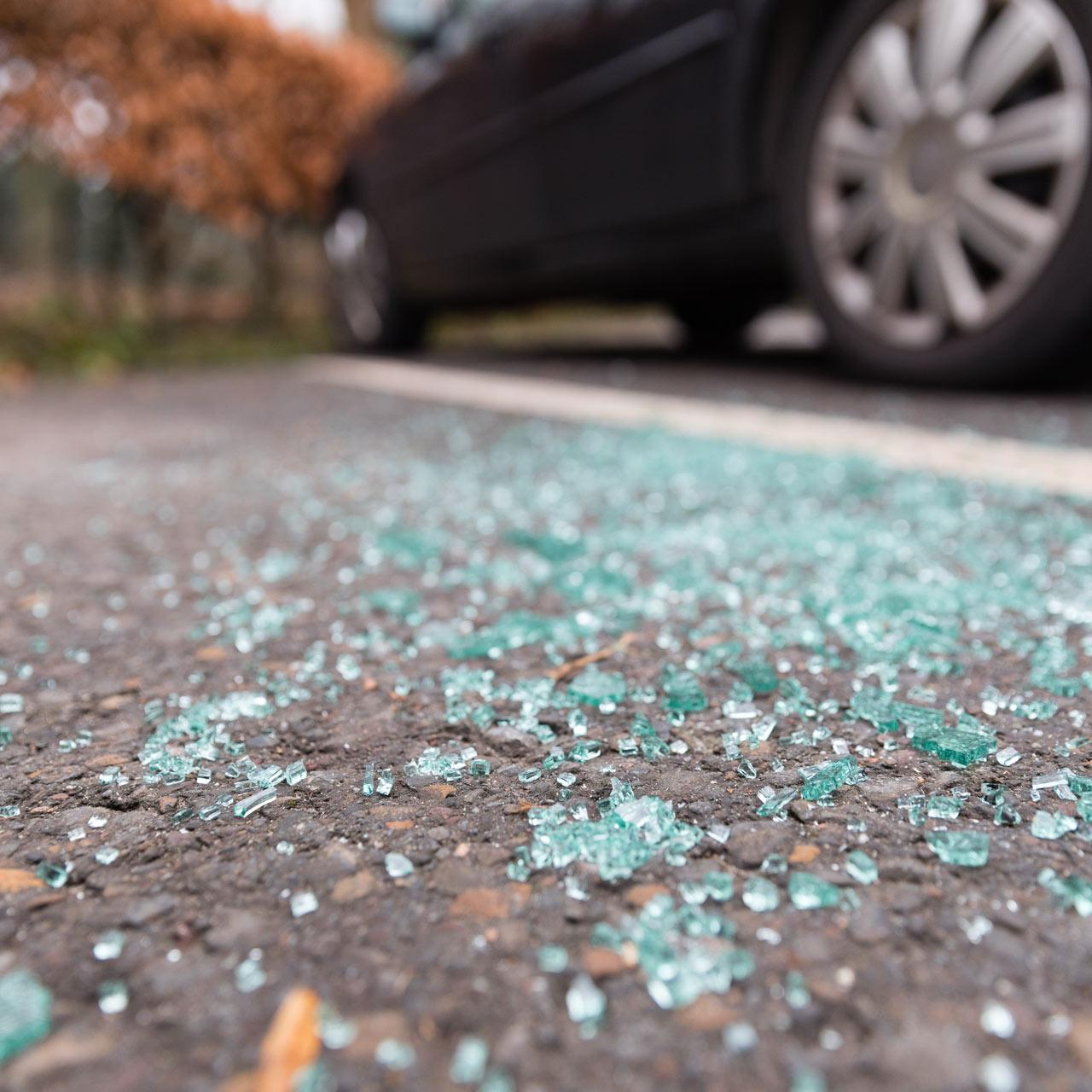
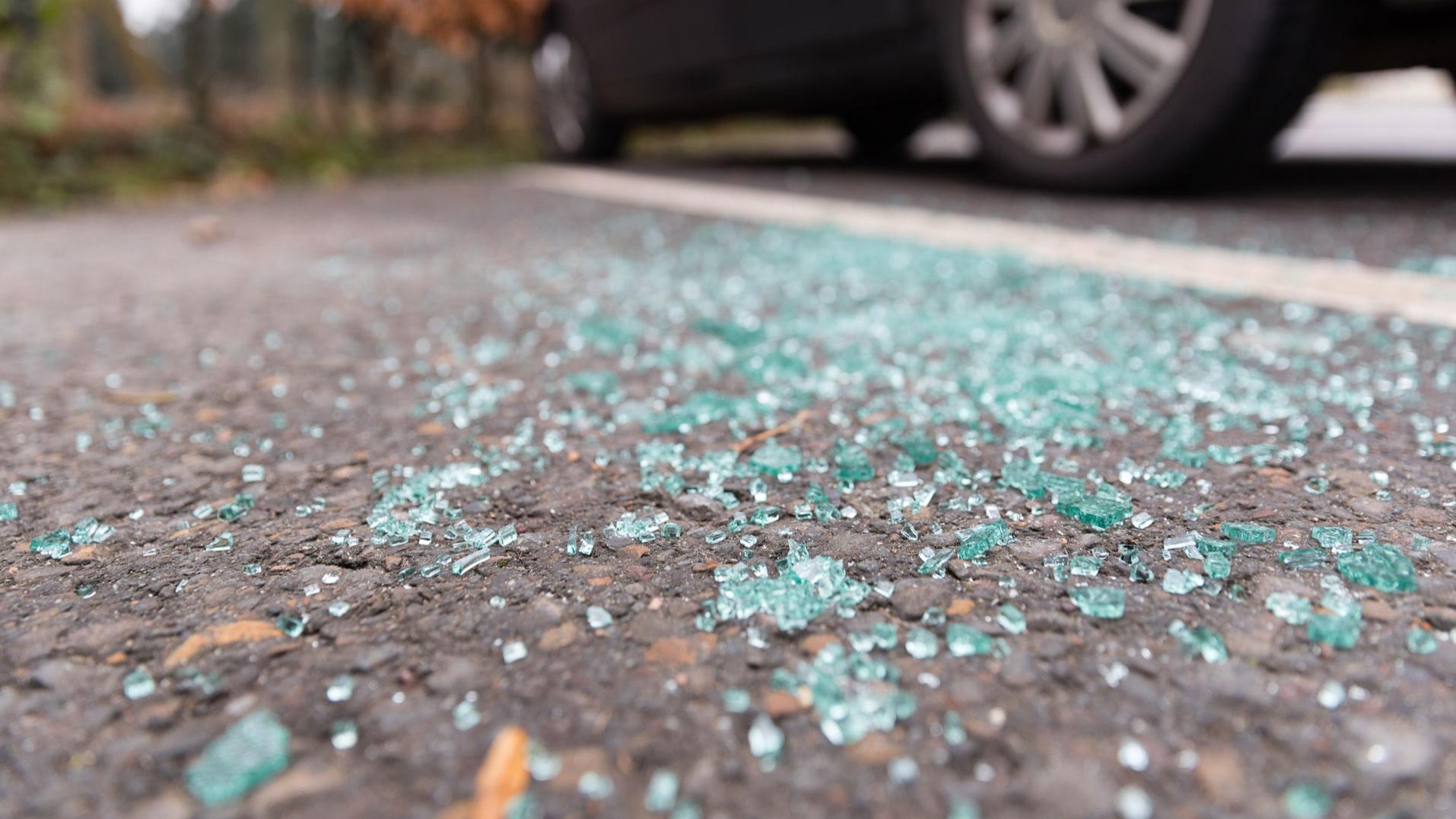
Understanding the role of glass in forensic scienceGlass fragments are among the most frequent trace materials found at crime scenes. Whether it’s from vehicle headlights, broken windows, bottles, or mobile phones, even the tiniest splinters can provide valuable forensic evidence.
Through microscopic investigation, these fragments can be characterized and matched to their possible sources, contributing significantly to the reconstruction of events and establishing links between suspects, objects, and locations.
Understanding the role of glass in forensic science
Glass fragments are among the most frequent trace materials found at crime scenes. Whether it’s from vehicle headlights, broken windows, bottles, or mobile phones, even the tiniest splinters can provide valuable forensic evidence.
Through microscopic investigation, these fragments can be characterized and matched to their possible sources, contributing significantly to the reconstruction of events and establishing links between suspects, objects, and locations.

Why the investigation of forensic glass matters
Glass has distinct physical and optical properties that make it a reliable source of forensic information. By analyzing these properties, experts can determine whether glass fragments share a common origin or differ significantly.
Key properties examined in forensic glass microscopy include:
- Color and fluorescence: Provide initial classification and visual differentiation.
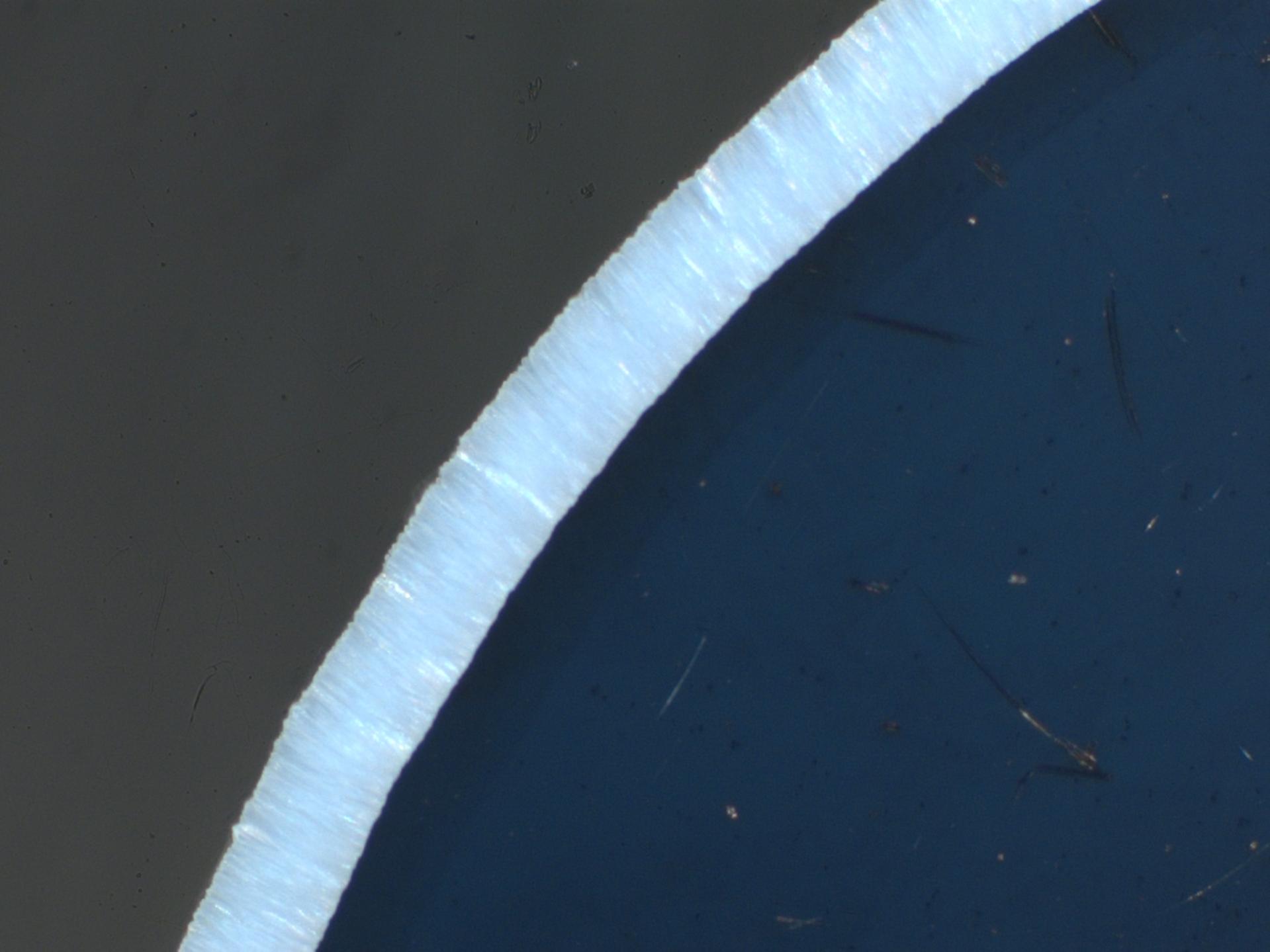
- Thickness and curvature: Help determine glass type and functional use.
- Surface features and coatings: Indicate manufacturing processes or damage patterns.
- Density and transmission: Relate to composition and purity.
- Refractive index (RI): A critical optical parameter for comparison.
- Tempering and stress patterns: Reveal production methods and strengthen evidential value.
By combining these factors, forensic scientists can relate fragments to specific sources—such as a vehicle make and model, building glass, drinking glasses, eyewear, or mobile devices.
Optical challenges and solutions
Due to the optical characteristics of glass, microscopic examination can be challenging, especially as fragment size decreases. The refractive index, internal reflections, and transparency demand precise illumination and imaging conditions.
Polarized light microscopy
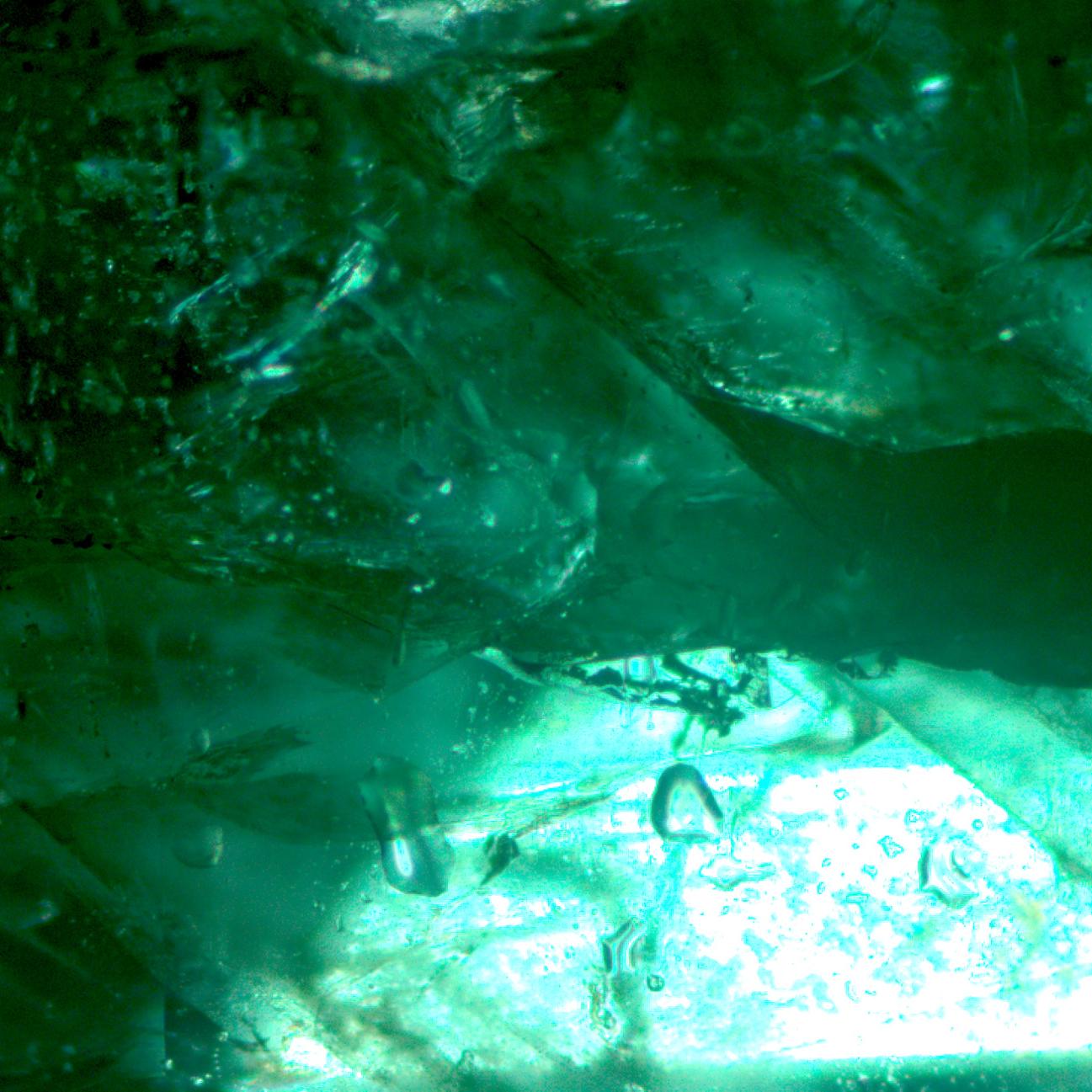
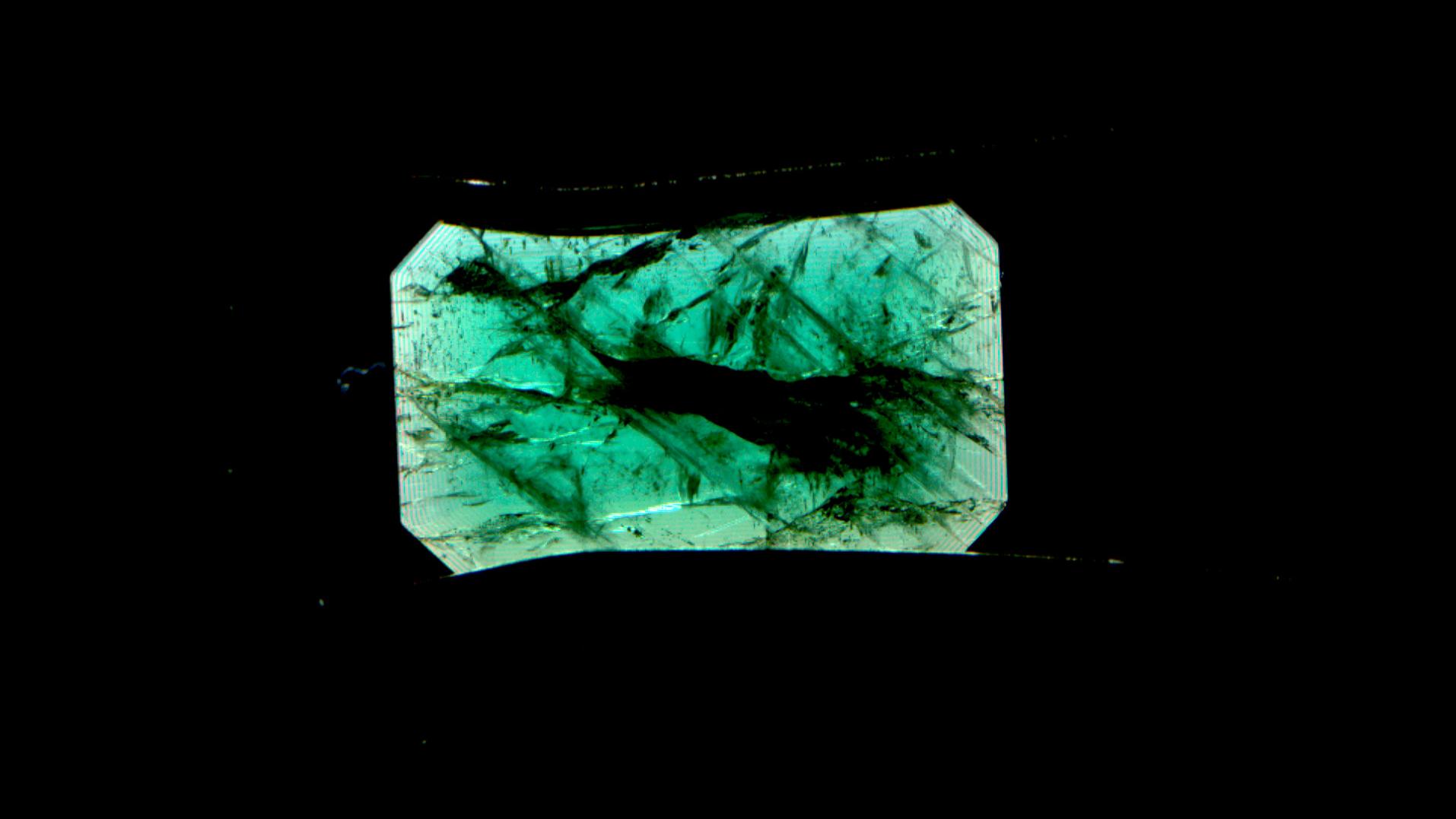
Polarized light reveals internal stresses, birefringence, and phase differences within the glass. It is essential for distinguishing glass types and detecting thermal treatment effects.
Transmitted light microscopy
Transmitted light is vital for observing glass inclusions, bubbles, and layer structures. It also supports accurate refractive index measurements when combined with immersion methods.
Together, these techniques allow investigators to differentiate between visually identical glass samples.


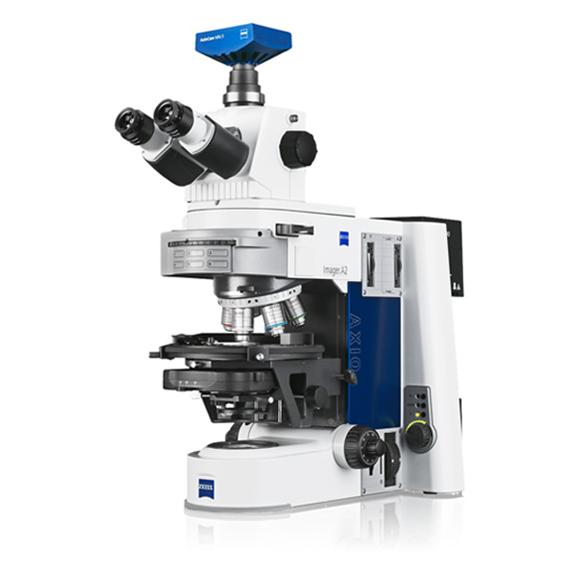
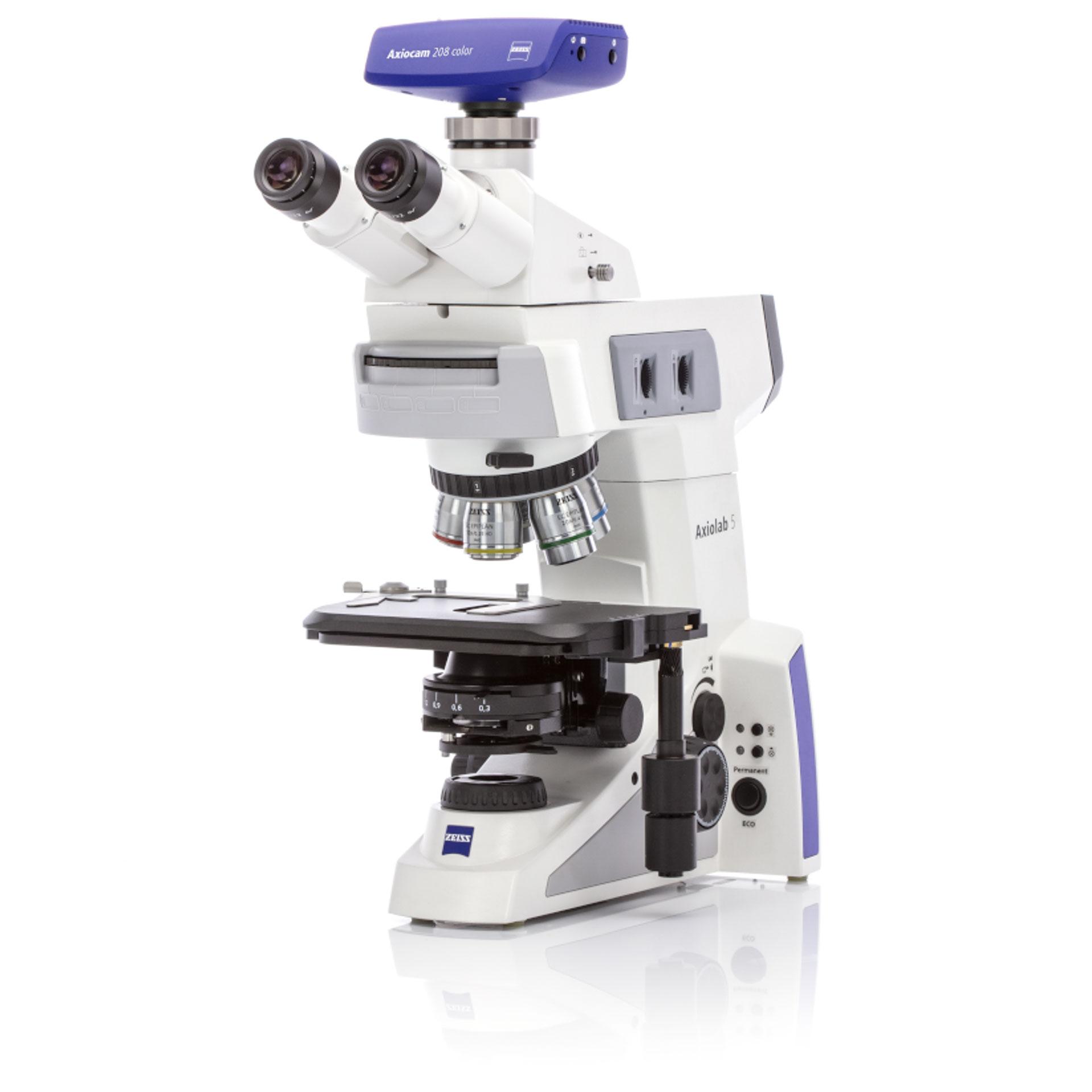
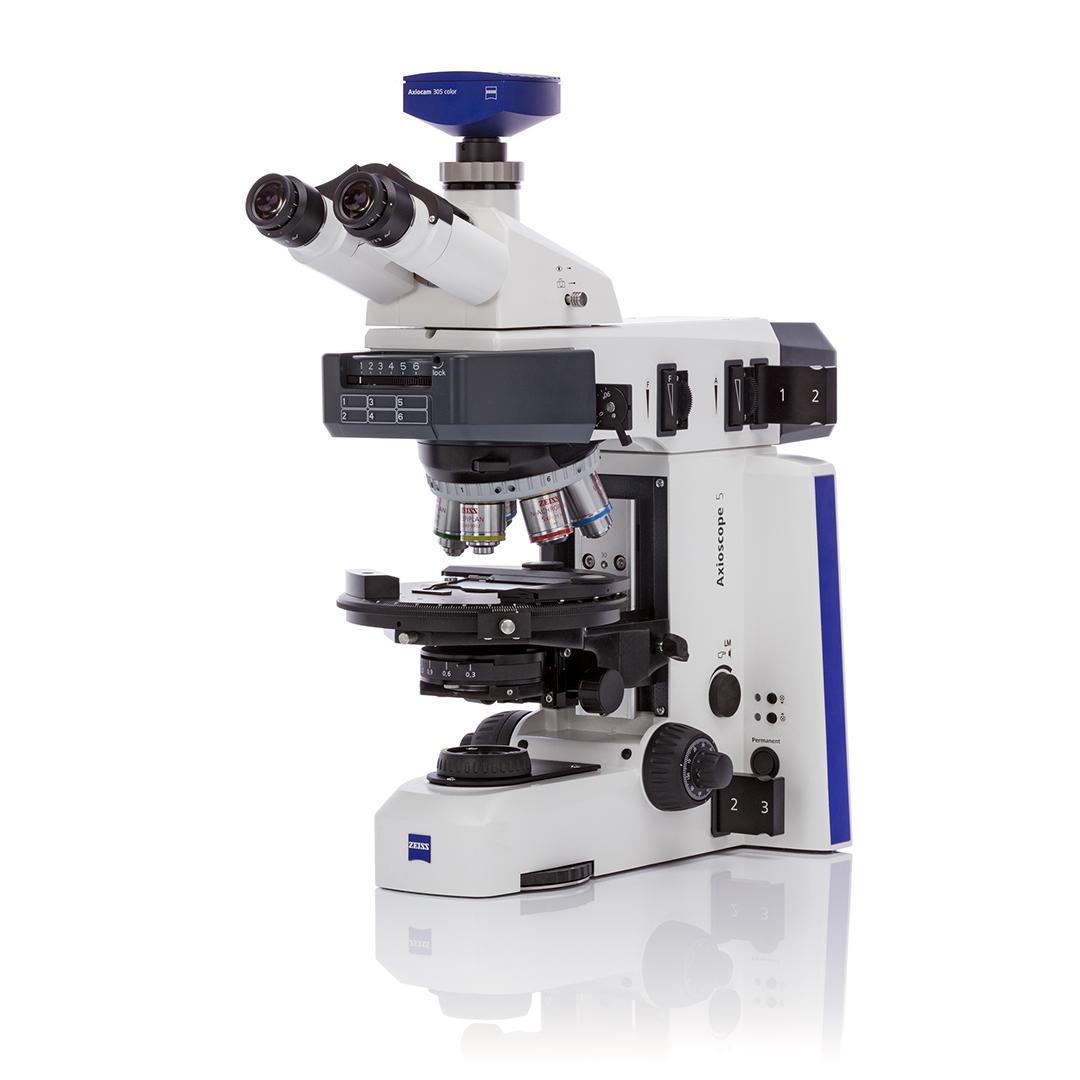
Microscopes such as ZEISS Axio Imager, ZEISS Axioscope 5 or ZEISS Axiolab 5 exceed these requirements, delivering outstanding optics, robust illumination control, and modular accessories tailored for trace evidence analysis.
These microscopes ensure reproducible, high-contrast images even of the smallest glass particles providing results forensic experts can rely on.








Applications of forensic glass microscopy
- Crime scene reconstruction and impact analysis
- Vehicle collision and hit-and-run investigations
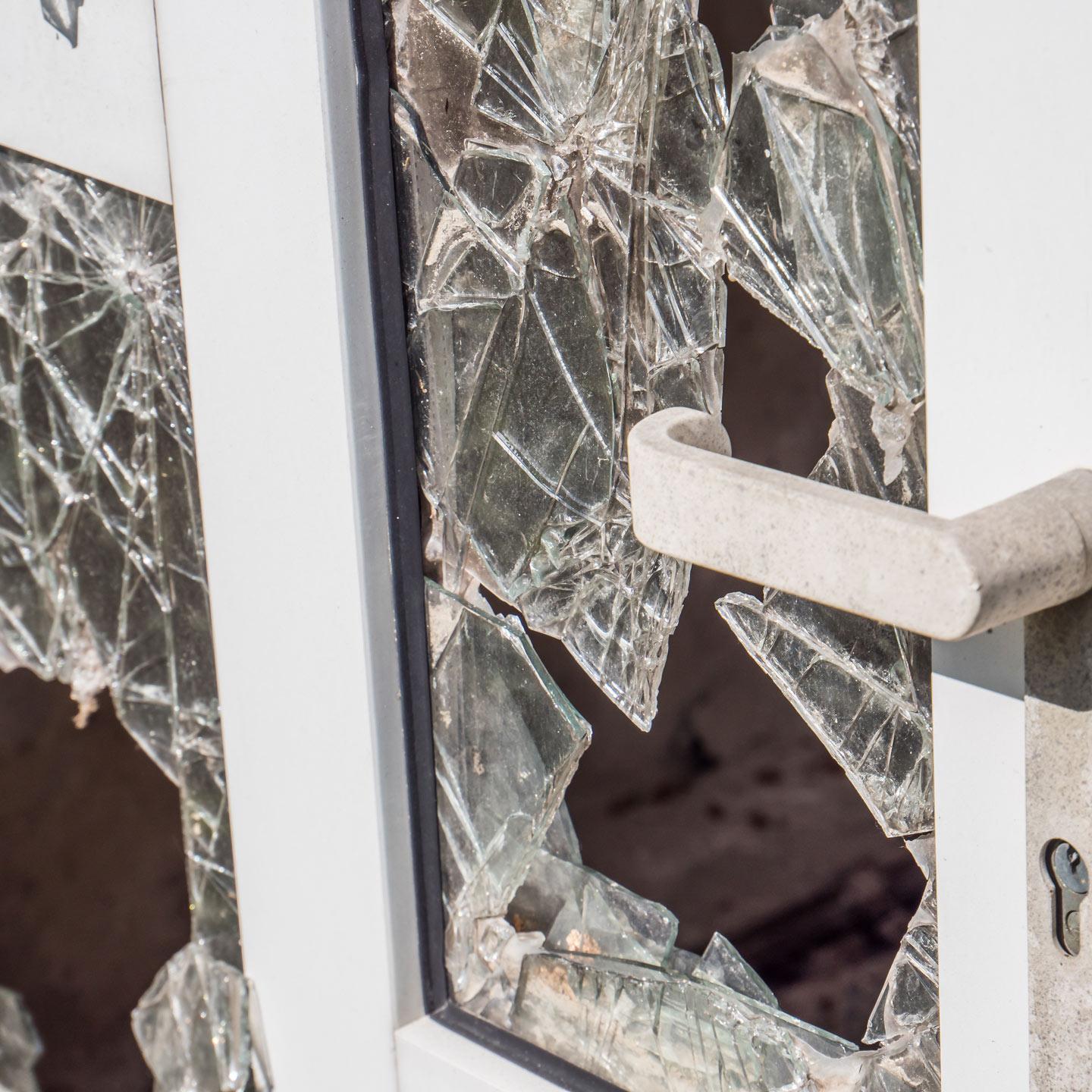
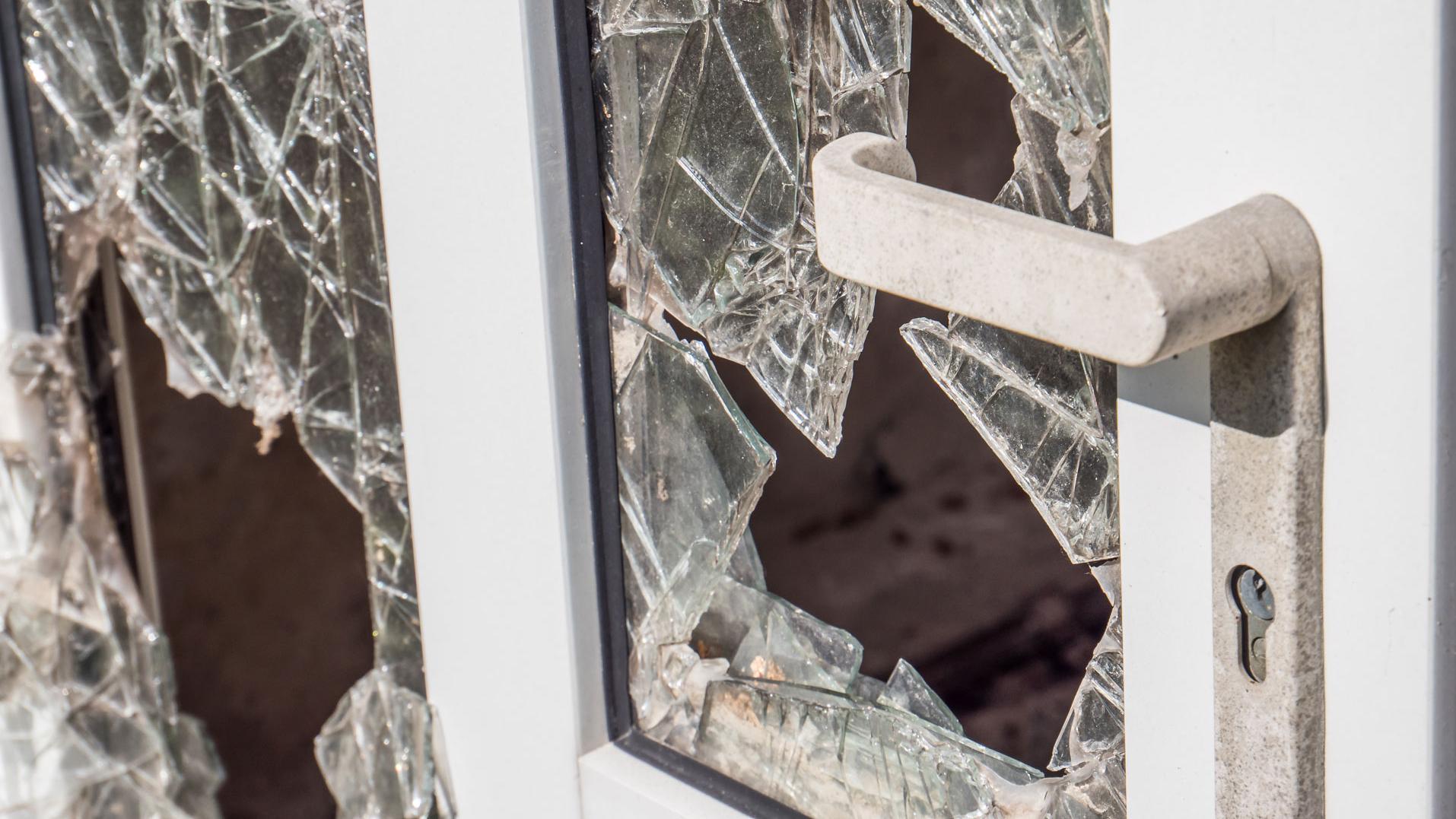
- Burglary and forced entry examination
- Industrial failure analysis
- Environmental and occupational investigations
Conclusion
The microscopic investigation of forensic glass traces is a cornerstone of modern forensic science. It bridges the gap between physics, materials science, and criminal investigation helping to reveal the truth hidden in minute fragments.
With the right instrumentation, including polarized and transmitted light microscopes like ZEISS Axio Imager and ZEISS Axioscope, forensic professionals can uncover evidence that withstands the highest legal and scientific scrutiny.
Frequently asked questions
-
Because glass fragments often transfer during crimes, their analysis can link a suspect to a specific object or location and help reconstruct the sequence of events with scientific accuracy.
-
Forensic experts primarily use polarized light microscopes and transmitted light microscopes to observe internal and optical characteristics of glass fragments. Documentation via a microscope camera may be essential for evidence tracing.
-
The refractive index measures how light bends through glass. Even slight variations in RI can distinguish one source of glass from another, making it a key discriminating property.
-
Polarized light reveals hidden stress patterns, birefringence, and differences in material structure, which is crucial for identifying tempered or laminated glass types.
-
High numerical aperture optics, stable transmitted illumination, and precise polarization control are vital for achieving accurate, reproducible results.
-
Microscopes like ZEISS Axio Imager and ZEISS Axioscope 5 allow reliable characterization of glass fragments well below 1 mm, depending on composition and condition.
-
It can identify the type, class, and potential source of glass (e.g., vehicle, window, bottle), but rarely a unique origin. It provides strong associative evidence for case reconstruction.