29 years, 35 microscopes, one mission: How the BioOptics Facility powers discovery with advanced instrumentation and imaging know-how across three Vienna BioCenter institutes
World-class research demands not only outstanding scientific ideas, but also technology that researchers can depend on at all times. This is precisely where the long-standing partnership between the BioOptics Facility of three research institutes that are part of the Vienna BioCenter and ZEISS comes in. Since the facility was founded in 1997, ZEISS has accompanied the development of its central imaging infrastructure — from the first widefield systems to state-of-the-art solutions for confocal, light sheet, and super-resolution microscopy.
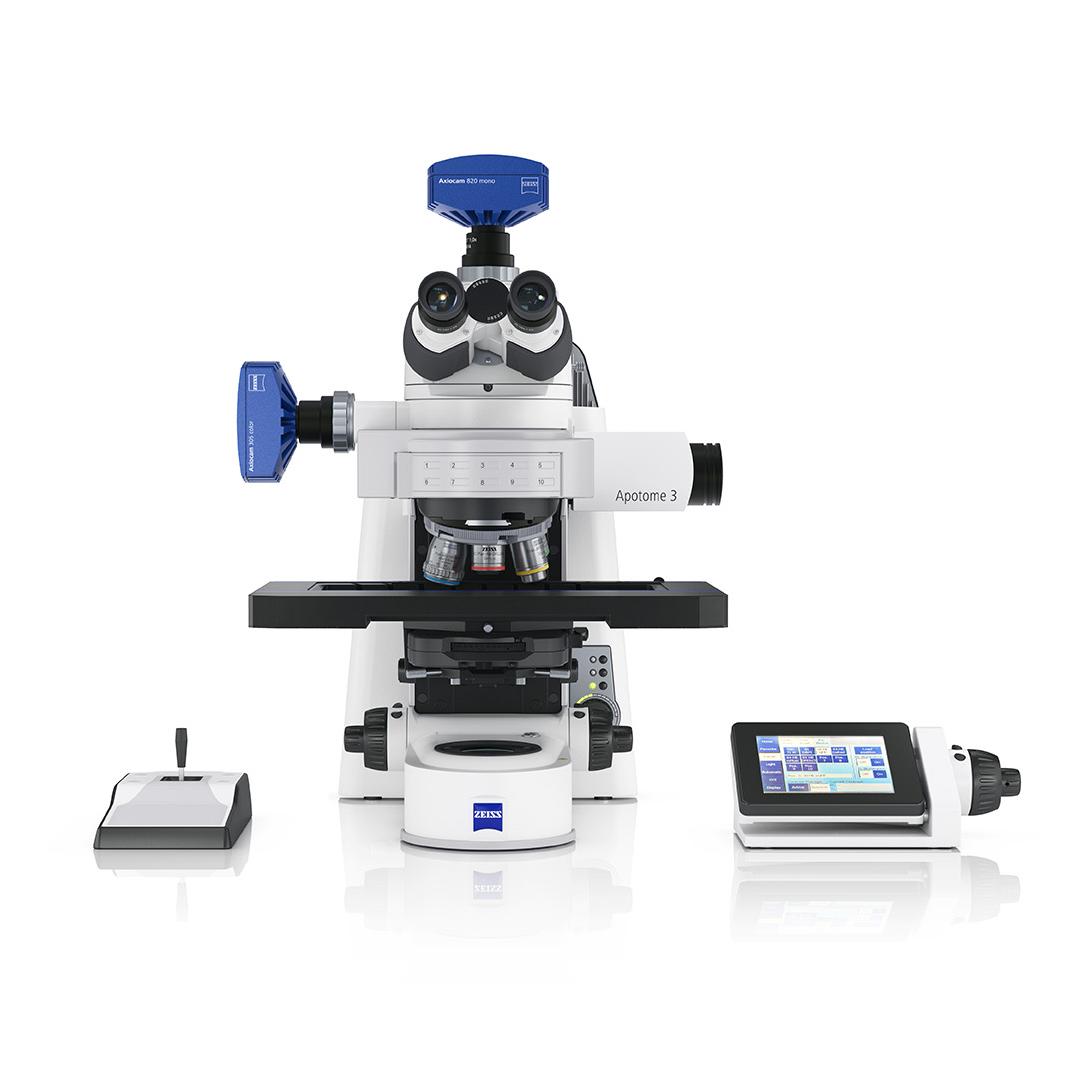
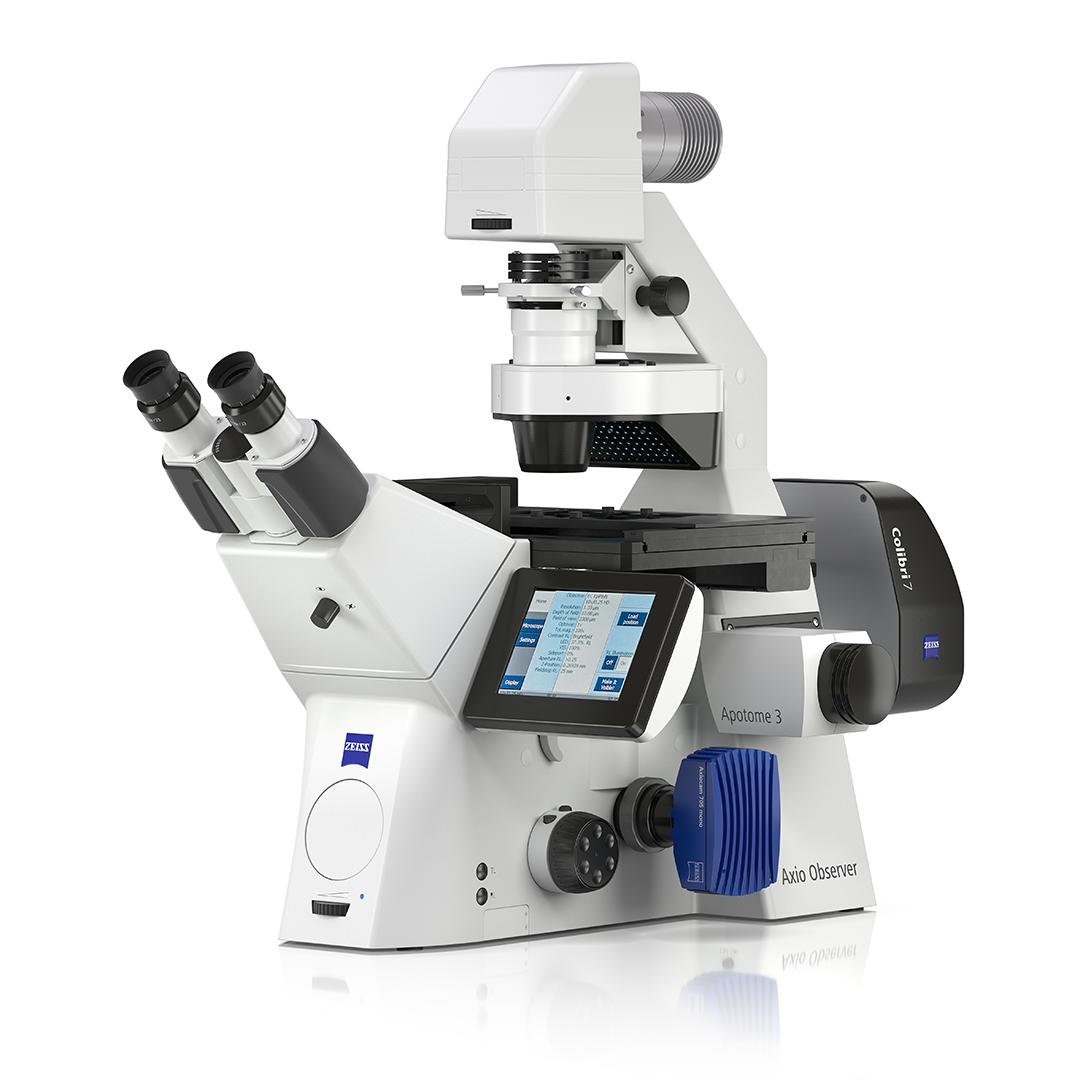
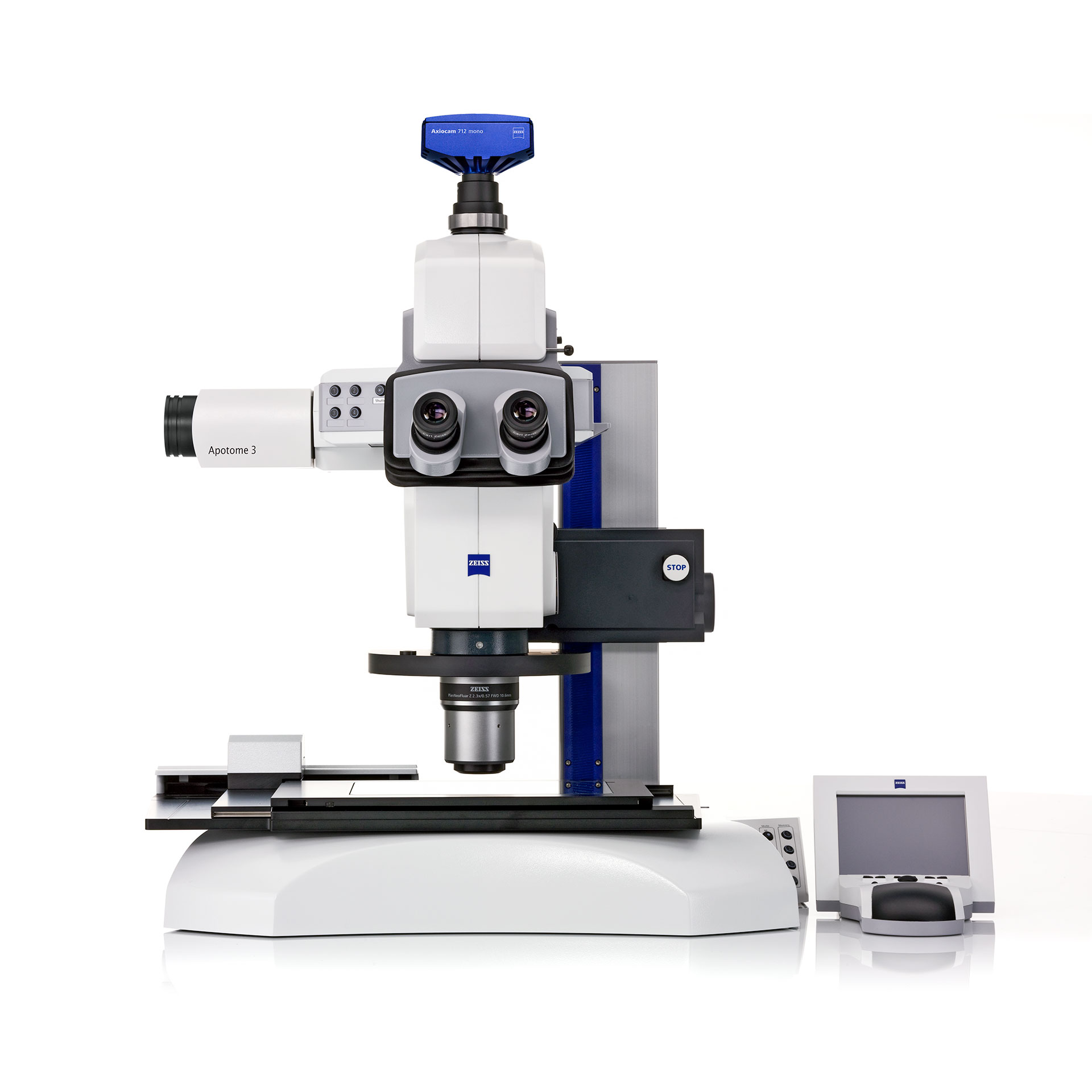
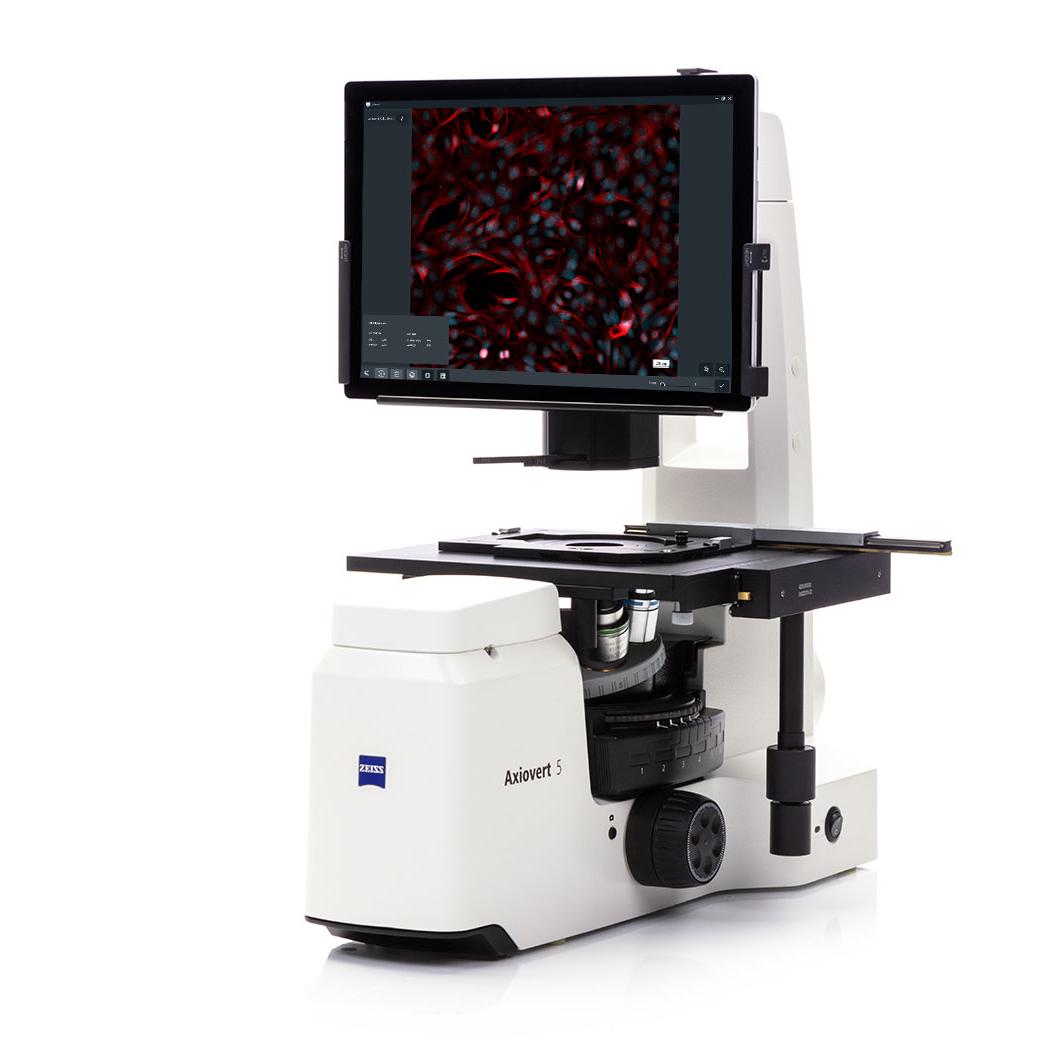
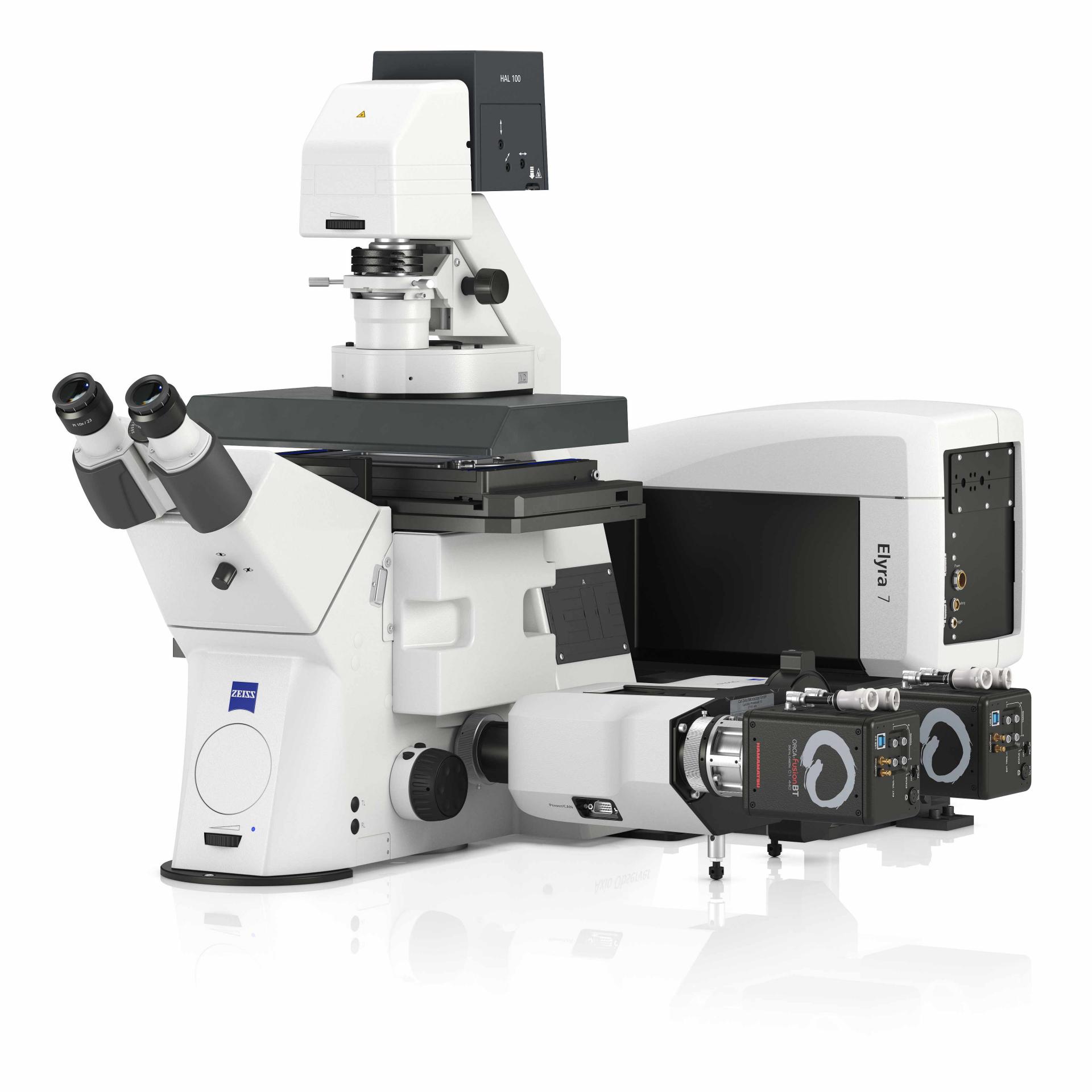
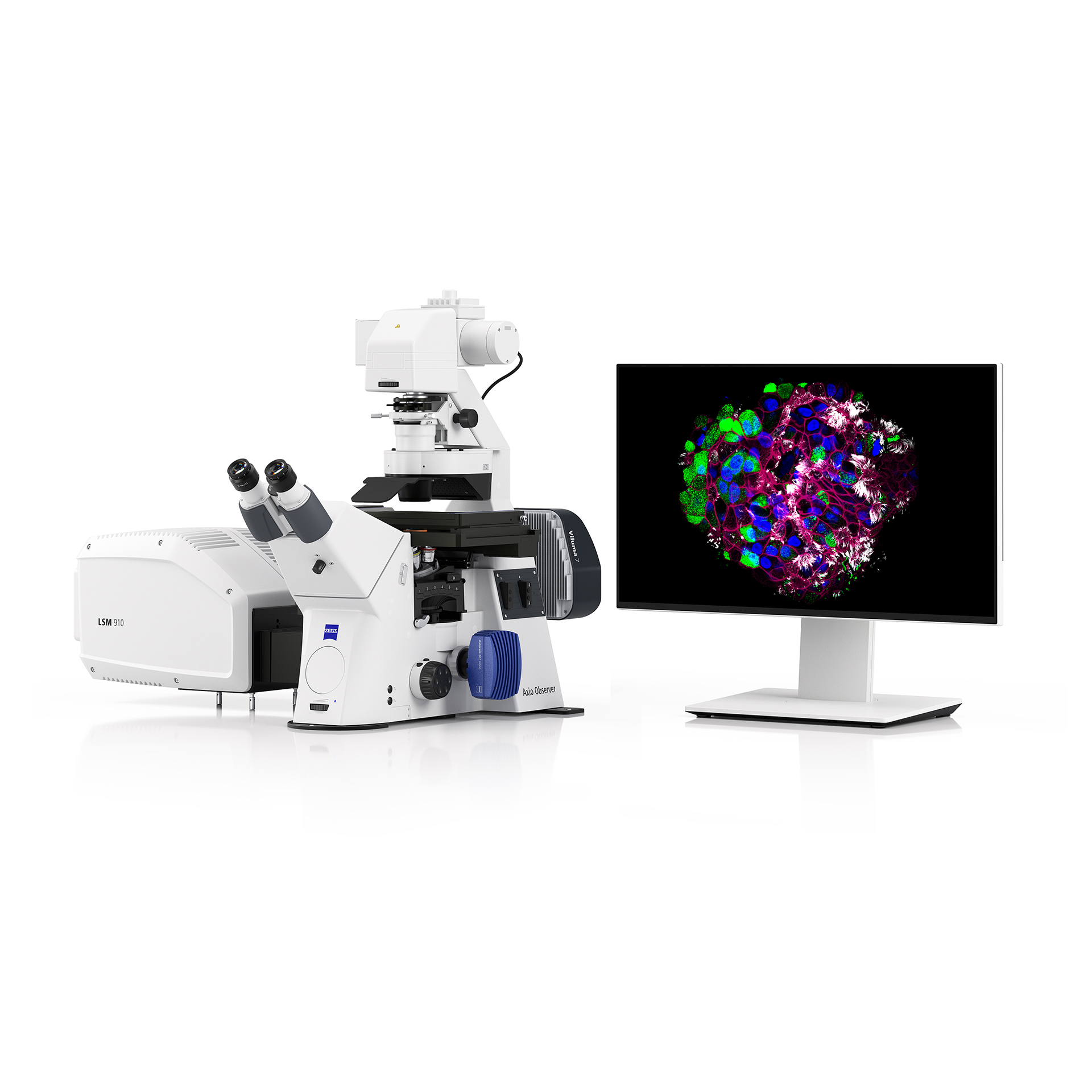
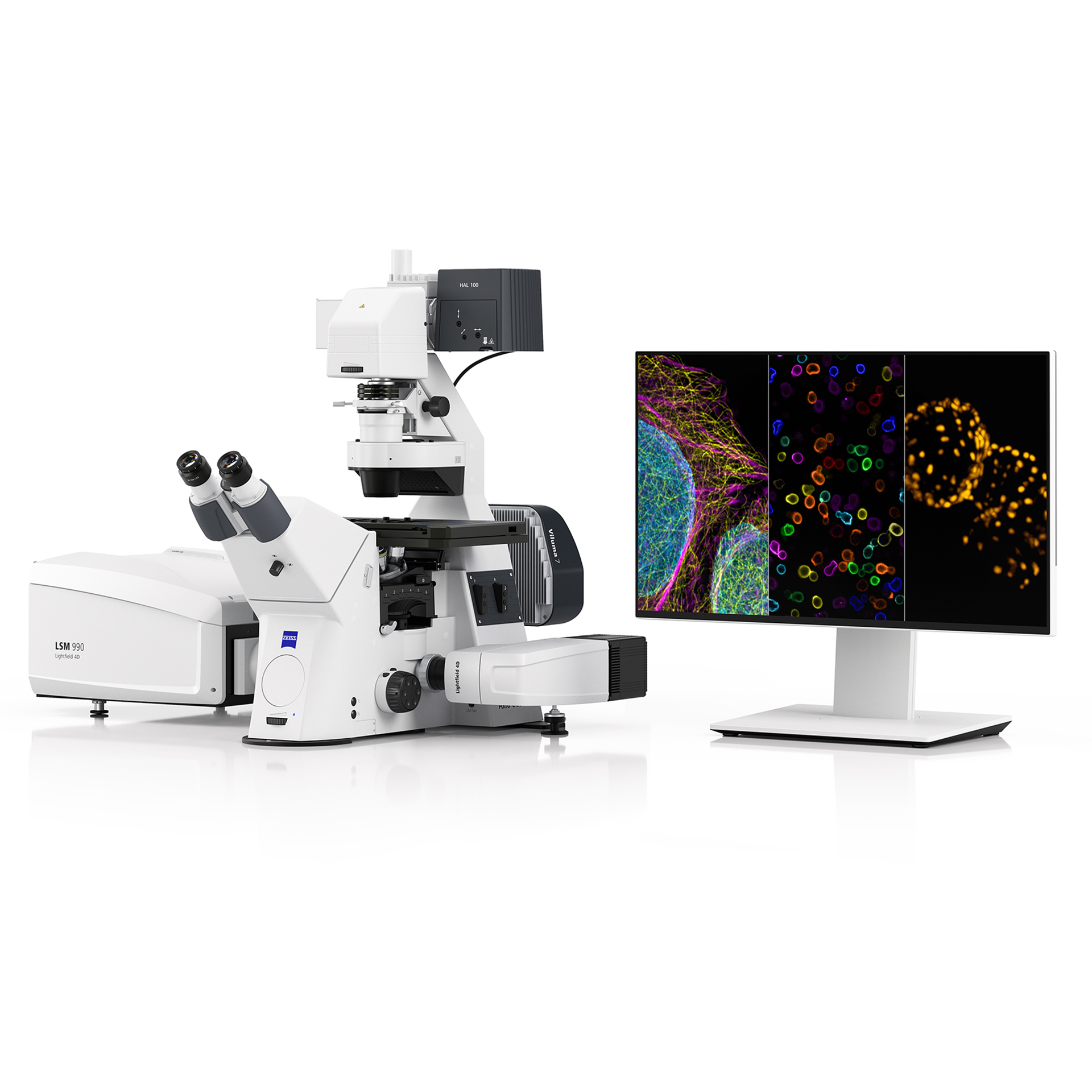
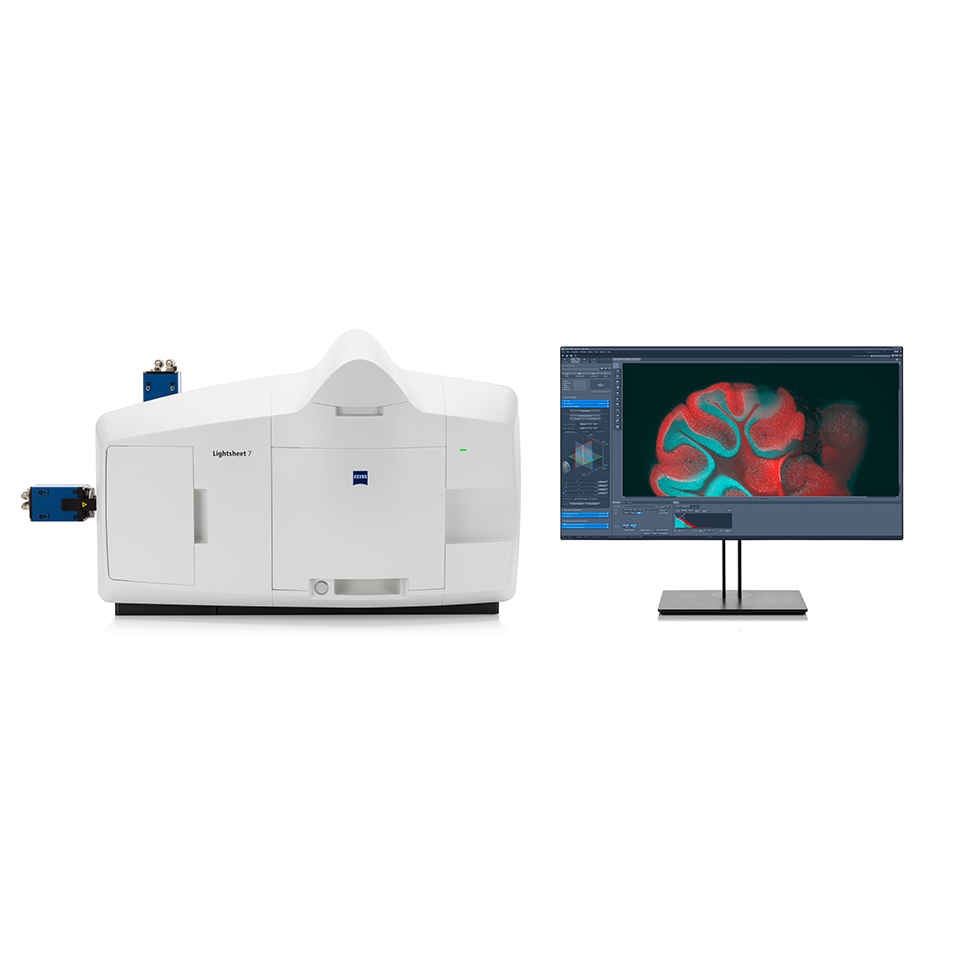
Today, researchers at the three Vienna BioCenter institutes IMP, IMBA and GMI have access to 40 microscopes, roughly two-thirds of which are from ZEISS. The current ZEISS setup includes a range of confocal laser scanning microscopes covering routine applications through to high-end experiments, a ZEISS Lightsheet 7, two ZEISS Celldiscoverer 7 systems, and a ZEISS Elyra 7 for super-resolution microscopy. Together, these instruments allow the BioOptics Facility to cover a broad spectrum of advanced imaging techniques, enabling researchers to investigate diverse biological questions with the most appropriate technology for each use case.
A researcher at work at the BioOptics facility. Science is a creative process — one that ZEISS microscopes are ideally designed to support.
From instrument platform to scientific collaborator
For Karin Aumayr, Head of the BioOptics Core Facility, the technical performance of individual microscopes is only part of the picture. What matters equally is how well the overall infrastructure supports scientists in their day-to-day work.
The demands on the facility are considerable. Around 250 researchers are supported by a small, three-person team whose responsibilities extend well beyond instrument maintenance. They train users, advise on experimental design, and help select appropriate imaging methods. A key element of this is the so-called "Initial Sample Test": using an actual sample, the team first determines which imaging system and workflow will deliver the best results for the specific scientific question at hand.
This approach not only saves valuable time and resources — it also ensures that researchers start out with a method that is optimally matched to their needs.
Our success means supporting science in the best possible way. We see ourselves as scientific collaborators. We fulfill our mission best when the microscopes are continuously operational and there are as few outages as possible.
Science made possible
Exploring drosophila ovaries in high resolution
Drosophila ovaries imaged on a LSM 980 Airyscan - courtesy of Changwei Yu and Laszlo Tirian, Brennecke Lab, IMBA
Technology that supports scientific creativity
Science is, in Aumayr's view, a creative process in which both questions and methods continuously evolve. An imaging infrastructure must therefore be not only powerful, but also flexible and reliable.
The development of the BioOptics Facility's equipment mirrors the broader technological evolution of microscopy itself. The partnership began in 1997 when the facility catered to the research groups of the IMP (Research Institute of Molecular Pathology) with widefield systems including a ZEISS Axioplan 2 and an Axiovert 100. In 2004, the organizational structure was adapted as the research site expanded to include IMBA — the Institute of Molecular Biotechnology of the Austrian Academy of Sciences — followed by the Gregor Mendel Institute (GMI).
The collaboration with ZEISS evolved steadily alongside these changes. Today, the instrument setup spans classical and modern light microscopy applications, confocal laser scanning microscopy, and extends all the way to light sheet and super-resolution techniques.
Science is a creative process. ZEISS has always supported this process in the best possible way. In a core facility environment — where many researchers with very different requirements share a common infrastructure — the systems prove to be "true workhorses." That kind of reliability is critical.
Service as an essential part of the partnership
For a central research infrastructure, technical availability is a critical success factor. Every unplanned outage can delay experiments, jeopardize valuable samples, and stall research projects. This is why the quality of support matters just as much as the quality of the instruments themselves.
This makes service far more than a technical add-on. It is an integral part of the research infrastructure, giving scientists the planning confidence they need to carry out their experiments without disruption.
We want ZEISS because we know that everything works. We value the long-standing and trust-based collaboration. And our ZEISS service technician is reachable around the clock and an absolute professional in his field.
A partnership built for the future
The story of the BioOptics Facility and ZEISS demonstrates how a long-term technology partnership can grow in step with the demands of modern research.
"Looking to the future, my wish is that our partnership with ZEISS continues at the same high level," says Karin Aumayr.
The aspiration on both sides is clear: to keep combining reliable instruments, deep application knowledge, and responsive service — so that scientific questions can keep being turned into new discoveries.
Andreas Buchberger
Vienna BioCenter's BioOptics Facility built a future-proof life science imaging infrastructure — powered by a 25+ year partnership with ZEISS.
About the Vienna BioCenter
The Vienna BioCenter is one of Europe's leading life sciences campuses, bringing together research, education, and industry on a shared site in Vienna. Seven academic research institutions — including the Institute of Molecular Biotechnology of the Austrian Academy of Sciences (IMBA), the Research Institute of Molecular Pathology (IMP), and the Gregor Mendel Institute (GMI) — conduct interdisciplinary research on fundamental questions in the life sciences.
More than 2,000 scientists from over 80 countries work at the Vienna BioCenter on topics ranging from biophysics and structural biology to cell biology, evolution, and biomedical basic research. State-of-the-art scientific infrastructure and shared core facilities create the conditions for internationally competitive research and foster exchange across disciplines and institutions. With more than 30 years of development into an internationally recognized life sciences cluster, the Vienna BioCenter is today a dynamic hub for research, innovation, and scientific collaboration.
In brief
A core imaging facility does much more than provide access to microscopes. Its primary purpose is to support scientists in translating their research questions into the most effective imaging approach — saving time, protecting valuable samples, and ensuring experiments are set up for success from the start. This typically involves training researchers, advising on experimental design, and helping select the right imaging method for each specific use case. In a shared infrastructure environment — where researchers with very different requirements rely on the same instruments —hands-on scientific guidance is just as important as the technology itself.
In a shared core facility, unplanned instrument downtime has consequences that go well beyond inconvenience. Delayed experiments, compromised samples, and disrupted research timelines can all follow from a single unexpected outage. This is why technical availability is considered a critical success factor in core facility management, and why service quality matters just as much as instrument performance. Round-the-clock access to knowledgeable support, rapid response times, and a trusted relationship with the technology provider all contribute to the planning confidence that scientists need to carry out their work without disruption. In this sense, service is not an add-on — it is a structural part of the research infrastructure itself.
A long-term technology partnership offers the ability to grow and adapt alongside the evolving needs of a research institution. Over time, a trusted partner develops a deep understanding of the facility's workflows, user base, and scientific priorities — making it possible to offer not just instruments, but genuinely tailored guidance on applications, upgrades, and infrastructure planning. As research questions become more complex and imaging technologies advance — from widefield and confocal systems through to light sheet and super-resolution microscopy — a stable partnership provides continuity and confidence. For facility managers, this translates into a setup where reliable instruments, deep application knowledge, and responsive service work together to ensure that scientific questions can consistently be turned into new discoveries.