Ensuring precision and safety in humanoid robot manufacturing
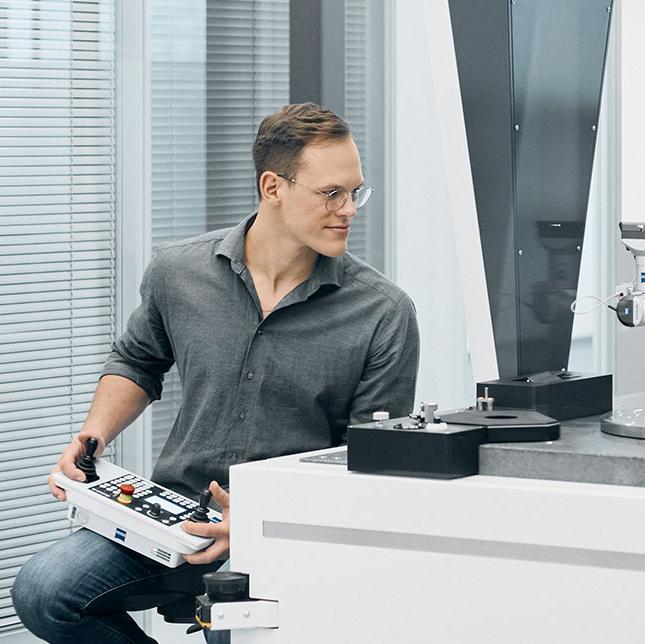
From R&D and component manufacturing to final assembly, even micron-level deviations can compromise performance, safety, and reliability in Humanoid Robot. Rigorous quality control ensures structural integrity, seamless actuation, and consistent sensor integration critical for robots that interact dynamically with the real world. As embodied intelligence advances, so must the metrology behind it. Trusted, full-stack quality solutions enable innovators to build humanoid systems that are not only intelligent but also precise, durable, and safe.
Anatomy of the humanoid robot: structure and subsystems
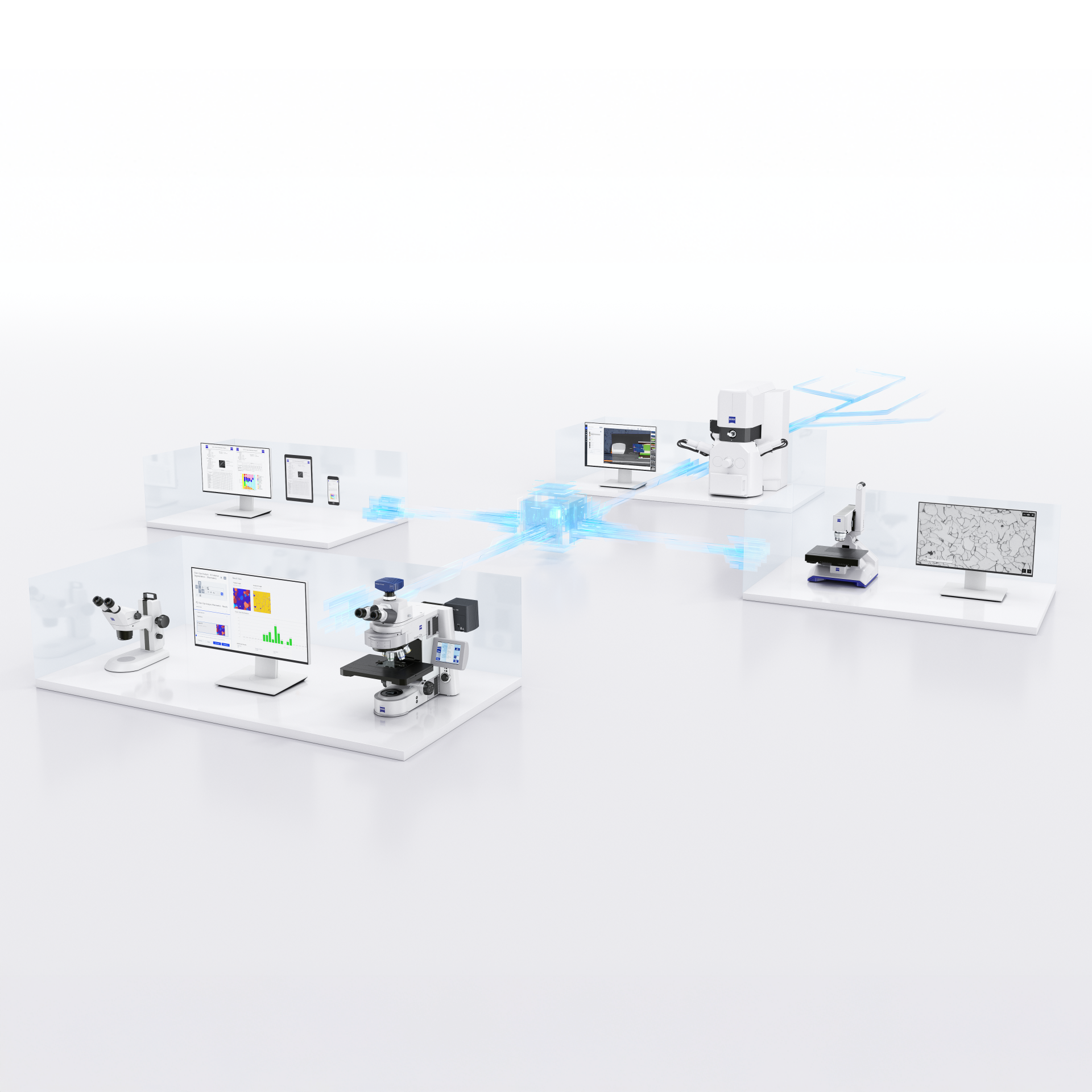
The performance of humanoid robots hinges on the high-quality integration of full-stack critical components including dexterous hands, highly integrated actuators, structural body parts, vision systems, batteries, and motion control modules. Each element must meet stringent standards for precision, reliability, and system-level compatibility. Only through end-to-end, full-stack quality assurance spanning individual components to complete system integration can seamless, safe, and environmentally adaptive operation be achieved, transforming advanced design into truly capable embodied intelligence.
Material & research
Durability testing of materials used in humanoid robots enables the development of accurate constitutive models that capture real-world mechanical behavior under stress, fatigue, and thermal cycling. These models are essential for predictive simulation, structural optimization, and reliable performance in dynamic environments. By understanding how materials deform, age, and fail, engineers can design lighter, stronger, and more resilient robotic systems enhancing agility, safety, and operational lifespan.
Actuators & drivers
Humanoid robot actuators are evolving toward greater integration: various drive mechanisms including harmonic, planetary, cycloidal, and lead screw types are being condensed into smaller spaces. The more compact the joint, the more precise the transmission components must be, placing stricter demands on part dimensions and assembly quality, as these components determine how power is stably and controllably converted into the robot’s joint angles and displacements.
Dexterous hand
Fatigue testing of dexterous hands validates the repeatability of long-term grasping, assesses thermal performance, and reveals potential wear issues ensuring operational stability and serving as a critical factor in determining service life and real-world usability.
Additionally, correcting deviations in the Denavit-Hartenberg (D-H) model of the robotic hand enables manufacturers to promptly identify inaccuracies in fine motor movements and implement targeted adjustments, guaranteeing high-quality performance before the robot leaves the factory.
Body structure & covering parts
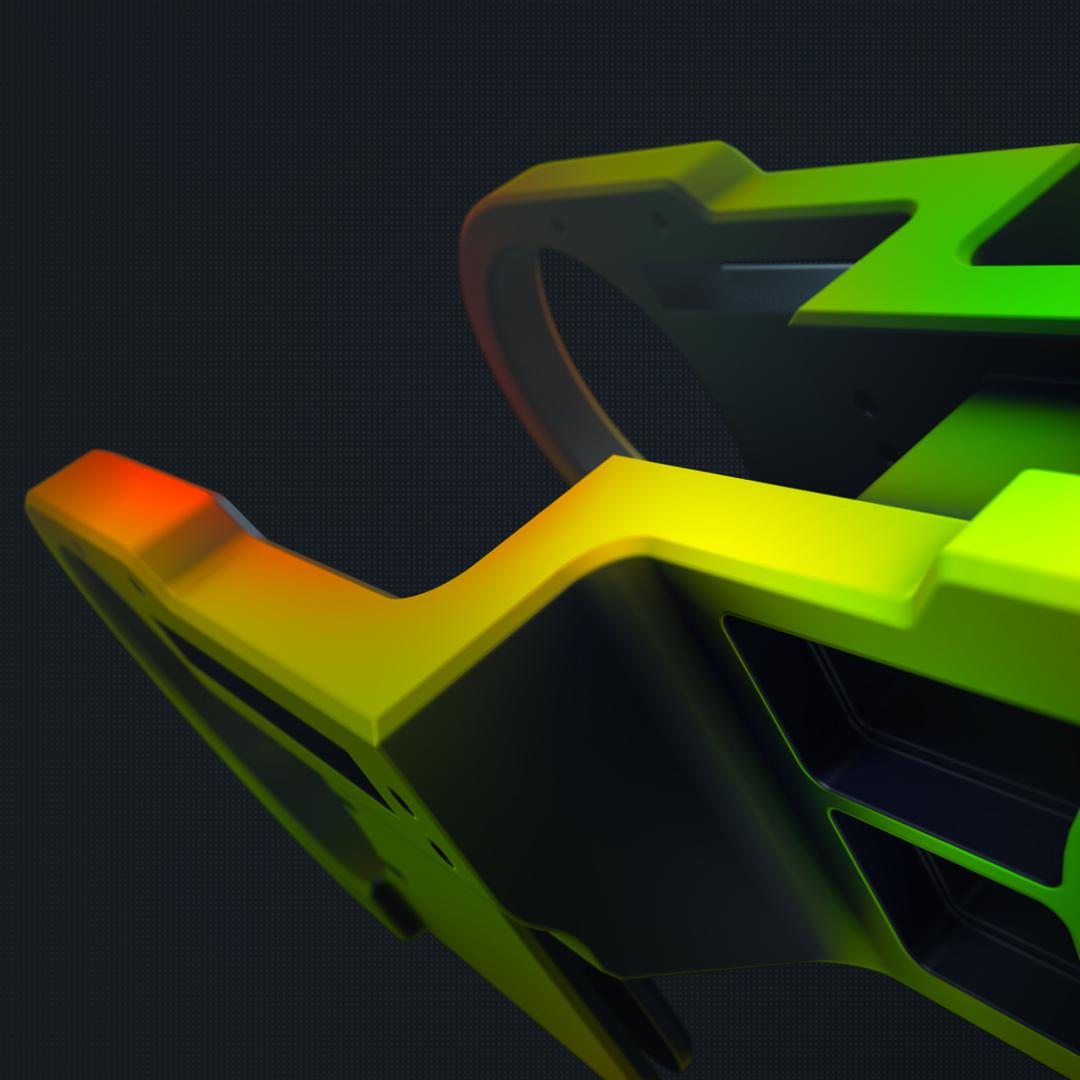
Structural components and covering parts serve as the skeletal framework of humanoid robots, providing essential support, alignment, and protection for the entire body. Their dimensional accuracy directly ensures the robot’s overall rigidity, stability, and motion precision forming the foundational basis for performance and reliability.
During the development of humanoid robots, gait stability and motion accuracy must be validated through dynamic testing. By refining Denavit-Hartenberg (D-H) models and leveraging high-fidelity motion capture, fine motor behaviors can be precisely analyzed and optimized enabling effective validation of control algorithms, improving gait quality, and ensuring smooth, dexterous movements.
Vision system
The vision system of a humanoid robot comprises key components such as camera modules, sensors, PCBA and optical assemblies. The quality of these parts directly determines the robot’s resilience to environmental interference, durability, navigation accuracy, and manipulation precision. A high-quality vision system enhances object recognition, motion stability, and operational safety. Efficient, non-destructive inspection solutions are therefore essential to ensure these performance attributes directly impacting the system’s overall reliability and real-world utility.
Battery quality directly determines a humanoid robot’s operating time, power stability, and safety, and affects the robot’s overall reliability, service life, and operational capabilities.